Uninsured motorist coverage is a part of your car insurance that pays for your injuries and, in many policies, your vehicle damage when the at-fault driver has no insurance. It also steps in for hit-and-run crashes. This guide explains how uninsured and underinsured motorist coverage work, what they pay for, whether your state requires them, and how much protection makes sense for you.
What Is Uninsured Motorist Coverage?
Uninsured motorist coverage, usually shortened to UM, is a part of your car insurance policy that protects you when the driver who caused your crash has no insurance at all. Normally, the at-fault driver’s liability coverage pays for your medical bills and car repairs. When that driver is uninsured, there is no liability policy to bill, and UM coverage fills the gap by paying you from your own policy.
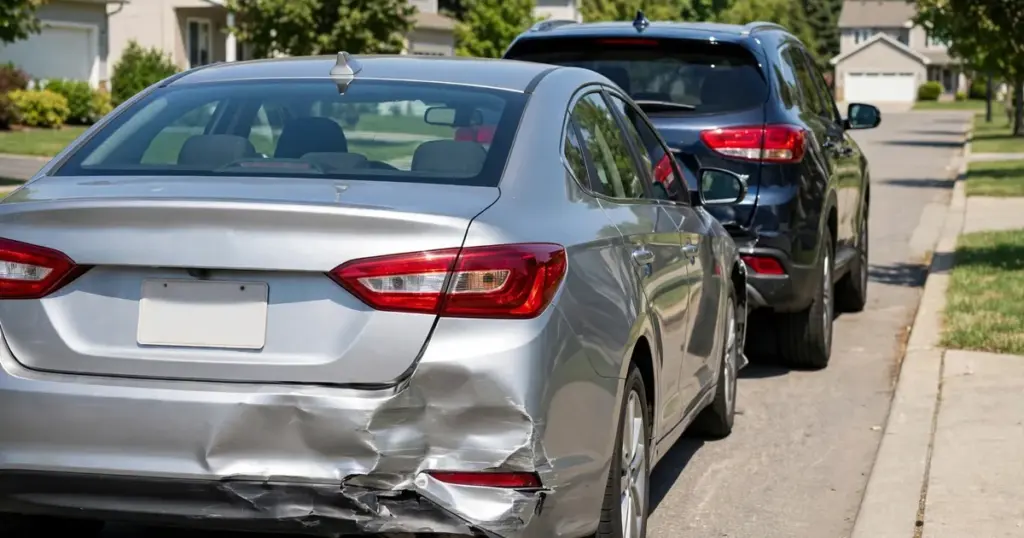
UM also covers hit-and-run crashes where the at-fault driver cannot be identified. If someone sideswipes your car and drives off, your UM coverage treats the unknown driver as uninsured and pays your covered losses, subject to your policy’s limits and terms.
Many drivers assume uninsured drivers are rare, but in some areas a meaningful share of vehicles on the road carry no insurance. A single crash with an uninsured driver can leave you facing medical bills and repair costs with nowhere to turn, which is why insurers and state regulators take this coverage seriously.
Uninsured vs. Underinsured: What’s the Difference?
Uninsured motorist (UM) and underinsured motorist (UIM) coverage are closely related but handle different situations:
| Situation | Uninsured motorist (UM) | Underinsured motorist (UIM) |
|---|---|---|
| At-fault driver has no insurance | Applies | Does not apply |
| At-fault driver’s limits are too low | Does not apply | Pays the gap up to your UIM limit |
| Hit-and-run, driver unidentified | Applies | Does not apply |
| How it pays | Pays your covered losses up to your UM limit | Pays the difference between your losses and the at-fault driver’s limit, up to your UIM limit |
Underinsured motorist coverage matters because state minimum liability limits are often low relative to the cost of a serious crash. If the at-fault driver carries only the state minimum and your hospital bill exceeds it, UIM pays the remainder up to your own UIM limit. Most insurers sell UM and UIM together, and many states require both as a pair.
What Uninsured Motorist Coverage Pays For
UM coverage usually comes in two parts. Understanding both helps you read your declarations page correctly:
Uninsured motorist bodily injury (UMBI)
This pays for injuries to you and your passengers caused by an uninsured driver. It can cover medical bills, lost wages if you cannot work while recovering, and, in serious cases, compensation for lasting disability. It is the more important half of the coverage, because medical costs are what turn a crash into a financial crisis.
Uninsured motorist property damage (UMPD)
This pays for damage to your vehicle caused by an uninsured driver. Not every state offers UMPD as a separate part; in some states, vehicle damage from an uninsured driver is handled through your collision coverage or a combined UM limit instead. Check your policy to see which structure your state uses.
UM does not pay for everything. It does not cover your injuries if you were at fault, it does not pay for wear and tear or mechanical breakdowns, and it pays only up to the limits you selected. Like all coverages, it has exclusions spelled out in the policy, so the declarations page and policy language are the final word.
How a Claim Works
Filing a UM or UIM claim follows the same basic steps as any insurance claim, with one difference: your insurer stands in the shoes of the at-fault driver’s missing or insufficient coverage.
- Report the crash to the police and get a report. For hit-and-runs, a police report filed promptly is often required before UM will pay.
- Notify your insurer as soon as practical. Tell them the other driver was uninsured or underinsured.
- Document everything: medical records, repair estimates, pay stubs if you missed work, and photos of the scene and damage.
- Your insurer investigates the crash, confirms the other driver had no (or too little) insurance, and evaluates your losses.
- Settlement is negotiated. If you and your insurer cannot agree on the value of your losses, many policies provide for arbitration, a process where a neutral party decides.
One question drivers often ask is whether filing a UM claim raises their rates. UM claims are not at-fault claims, so they are treated differently from a claim where you caused the crash. Rate rules vary by state and insurer, but a not-at-fault UM claim is generally far less likely to affect your premium than an at-fault one.
Is Uninsured Motorist Coverage Required?
Many states require uninsured motorist coverage, and a good number require underinsured motorist coverage as well. Where it is required, insurers must include at least the state minimum UM limits in every policy unless you reject it in writing, where the state allows rejection. Because the rules differ so much, the safest approach is to check your state’s minimum car insurance requirements and your own policy’s declarations page rather than assuming.
Even where UM is optional, skipping it is risky. The premium for UM coverage is usually modest compared with the rest of your policy, and it is the only part of your policy that protects you from other drivers’ missing insurance. Dropping it to save a small amount leaves your biggest exposure, a serious injury caused by someone else, uncovered.
How Much Uninsured Motorist Coverage Do You Need?
A widely used rule of thumb is to match your UM/UIM limits to your liability limits. The logic is simple: the coverage that protects other people from your mistakes should be at least as strong as the coverage that protects you from theirs. If you carry higher liability limits because you have income or assets to protect, your UM limits deserve the same treatment, since a serious injury can cost you just as much in lost wages and medical bills.
Consider raising UM limits above the minimum if you commute in heavy traffic, regularly drive with passengers, or live in an area where uninsured driving is common. Also review how UM interacts with the rest of your protection: liability versus full coverage explains the broader structure, and bodily injury liability coverage pairs naturally with UMBI since both deal with injury costs.
Finally, check whether your UM includes property damage in your state. If it does not, make sure you understand which coverage, collision or otherwise, would pay for your car after a hit-and-run or uninsured-driver crash, so there are no surprises.
Frequently Asked Questions
Does uninsured motorist coverage cover a hit-and-run?
Yes, in most policies. A hit-and-run driver who cannot be identified is treated as an uninsured driver. You will usually need to file a police report promptly, and property damage may have its own rules depending on your state.
What is the difference between uninsured and underinsured motorist coverage?
Uninsured motorist coverage applies when the at-fault driver has no insurance. Underinsured motorist coverage applies when the at-fault driver has insurance, but their liability limits are too low to cover your losses. Most insurers sell them together.
Will filing an uninsured motorist claim raise my rates?
A UM claim is a not-at-fault claim, so it is treated differently from a claim where you caused the crash and is generally far less likely to affect your premium. Exact rate rules vary by state and insurer.
Do I need uninsured motorist coverage if I have health insurance?
Health insurance pays medical bills, but it does not cover lost wages, a damaged car, or compensation beyond medical costs the way UM bodily injury can. The two complement each other rather than replace each other.
Can I reject uninsured motorist coverage?
In some states yes, usually by signing a written rejection, and in others it is mandatory. Even where rejection is allowed, it is rarely wise given the low cost of the coverage relative to the risk it covers.
What to Do Next
Check your declarations page for your current UM and UIM limits and whether they match your liability limits. If your state allows rejecting UM and you previously rejected it, reconsider, especially if you drive daily in traffic. For a broader review, read what to do if you are in a crash without insurance and not at fault, which walks through the practical steps after the kind of accident UM coverage is built for.
This article is for general educational purposes only and is not insurance, legal, or financial advice. Coverage rules and rates vary by state and insurer.