What does comprehensive car insurance cover? It pays to repair or replace your car when it’s damaged by something other than a collision — theft, vandalism, fire, hail, windstorms, flooding, falling objects, and hitting an animal like a deer. If it’s not a crash with another vehicle or object, comprehensive is usually the coverage that handles it.
Comprehensive is one half of the pair that makes up “full coverage” (the other half is collision), and it’s the part that protects you from the events you can’t control. This guide explains exactly what’s included, what’s left out, how deductibles work, and whether you need it.
What Comprehensive Coverage Is (and Isn’t)
Comprehensive coverage is an optional add-on to your car insurance policy that protects your own vehicle against damage from events other than collisions. Think of it as the “everything else” coverage: while collision handles crashes, comprehensive handles the long list of things that can happen to a parked or moving car that don’t involve hitting something.
Despite the name, “comprehensive” doesn’t mean it covers everything. It covers your car only — never other people’s cars, other people’s injuries, or your own medical bills. It also doesn’t cover mechanical breakdowns, wear and tear, or maintenance. To understand the basic parts of a car insurance policy, it helps to see comprehensive as one piece of a larger puzzle, sitting alongside liability and collision. For the big-picture comparison, see our liability vs full coverage comparison.
What Comprehensive Insurance Covers
Every insurer’s policy wording differs slightly, but comprehensive coverage traditionally includes these categories:
Theft and Vandalism
If your car is stolen, comprehensive pays its actual cash value at the time of the theft (minus your deductible). If it’s recovered with damage, comprehensive pays for the repairs. Vandalism — keyed paint, slashed tires, smashed windows, stolen catalytic converters — is also covered.
Weather and Natural Events
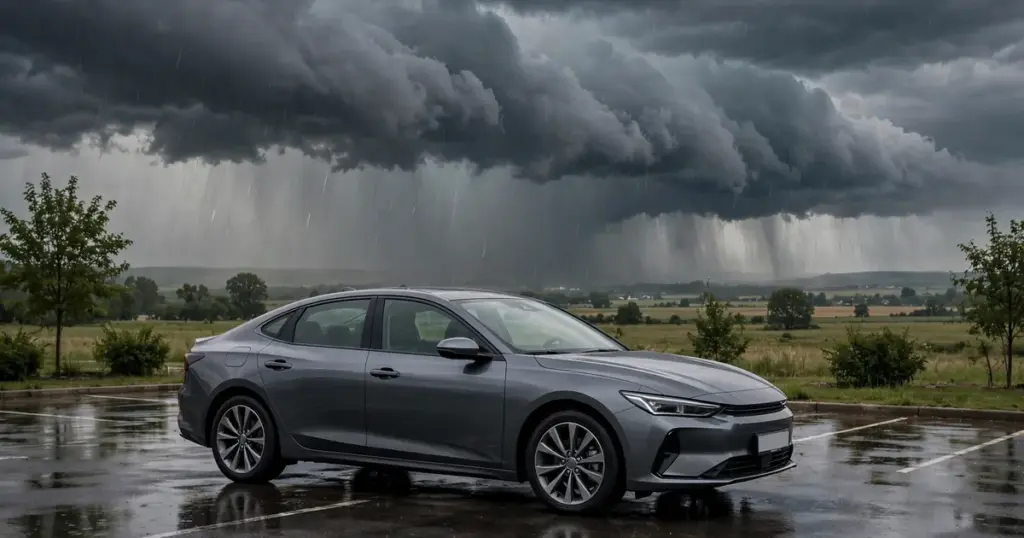
Hail dents, windstorm damage, tornadoes, hurricanes, and flooding all fall under comprehensive. Water damage from a flash flood or a storm surge counts too, as long as it’s sudden and accidental — slow leaks from neglected seals are a maintenance issue, not a covered event.
Fire
Vehicle fires from any cause other than a collision — engine fires, wildfires, arson — are covered by comprehensive. If the fire starts because of a crash, collision coverage takes over instead.
Animal Strikes
Hitting a deer, elk, or other animal is one of the most common comprehensive claims in the US. Swerving to miss an animal and hitting a guardrail, on the other hand, is typically treated as a collision claim, since the damage came from hitting an object rather than the animal.

Falling Objects and Glass Damage
Tree limbs, falling ice, rocks kicked up on the highway, and debris from a truck bed all count. Chipped and cracked windshields are comprehensive claims as well — many policies even waive or reduce the deductible for glass-only repairs, so a small chip might cost you nothing out of pocket.
What It Does Not Cover
The fastest way to grasp comprehensive coverage is to see what’s inside and outside of it:
| Event | Covered by Comprehensive? | What Covers It Instead |
|---|---|---|
| Car stolen from your driveway | Yes | — |
| Hail dents the hood and roof | Yes | — |
| Vandalism: keyed paint, broken windows | Yes | — |
| Hitting a deer on a rural road | Yes | — |
| Tree limb falls on a parked car | Yes | — |
| Crash with another vehicle | No | Collision coverage |
| You injure another driver | No | Bodily injury liability |
| Engine wears out / mechanical failure | No | Nothing — maintenance |
| Personal items stolen from the car | No | Homeowners or renters insurance |
| Your medical bills after an accident | No | MedPay, PIP, or health insurance |
Two rows surprise people most. First, personal belongings stolen from your car — a laptop, a bag, tools — are not covered by any part of your auto policy; they fall under your homeowners or renters insurance. Second, comprehensive pays based on the car’s value at the time of the loss, not what you paid for it or what you still owe on a loan. That difference is exactly what gap insurance exists to cover.
Comprehensive vs Collision: What’s the Difference?
These two coverages are constantly confused because they’re usually bought together, but the dividing line is simple: collision covers crashes; comprehensive covers everything else that damages your car.
If your car hits something — another vehicle, a pole, a guardrail, a pothole that wrecks the suspension — that’s a collision claim. If something happens to your car without a crash — theft, hail, fire, a falling branch, a deer running into the road — that’s a comprehensive claim.
Each coverage carries its own deductible, and they don’t have to match. Many drivers choose a lower comprehensive deductible than their collision deductible because comprehensive claims tend to be smaller (a cracked windshield, a dented fender) and a low deductible makes filing them worthwhile. For a full walkthrough of the crash side, read our guide to collision insurance, and see what full coverage car insurance includes when both are combined with liability.
How Comprehensive Deductibles Work
Your comprehensive deductible is the amount you pay out of pocket before the insurer pays the rest. If hail causes $2,000 in damage and your comprehensive deductible is $500, the insurer pays $1,500 and you pay $500. If the damage costs less than your deductible, there’s no point filing a claim.
A few things worth knowing:
- Glass is often treated specially. Many policies offer full glass coverage with no deductible, or a separate lower glass deductible. Ask your insurer — it can make windshield replacement effectively free.
- A lower deductible raises your premium. Going from a $1,000 deductible to $250 costs more per month. The trade-off only pays off if you actually file claims.
- Total losses use actual cash value. If your stolen car is never recovered, the payout is the car’s market value at the time, minus your deductible — not the original purchase price.
Do You Need Comprehensive Coverage?
No state requires comprehensive coverage by law. But that doesn’t mean you can skip it without thinking:
- Financed or leased cars: your lender almost certainly requires comprehensive (and collision) until the loan is paid off. It’s part of the loan agreement, not optional.
- Cars you own outright: weigh the annual premium against the car’s value and your local risks. In hail-prone or flood-prone areas, or neighborhoods with frequent break-ins, comprehensive earns its keep. On an old car worth very little, you may reasonably drop it.
- Where you park matters. A car parked on the street overnight faces more theft, vandalism, and weather exposure than one in a locked garage.
Comprehensive is also relatively cheap compared to collision, because non-crash claims are smaller and less frequent on average. When you get quotes, look at the comprehensive line item separately — many drivers are surprised how little it adds. Pairing it with roadside assistance coverage is another common move, since both protect you from non-crash headaches.
Frequently Asked Questions
Does comprehensive insurance cover hitting a deer?
Yes. Animal strikes are one of the classic comprehensive claims. If you hit a deer and damage your front end, comprehensive pays for the repairs minus your deductible. Just note that if you swerve to avoid the animal and hit something else instead, that becomes a collision claim.
Is comprehensive coverage required?
Not by any state — states only mandate liability coverage. However, if you finance or lease your vehicle, your lender will require comprehensive coverage (plus collision) as a condition of the loan or lease agreement until the balance is paid.
Does comprehensive cover windshield replacement?
Generally, yes. Windshield chips and cracks from road debris are comprehensive claims. Many insurers waive the deductible entirely for windshield repair or offer separate low-cost full glass coverage, so check your policy — replacing a windshield may cost you little or nothing.
Will filing a comprehensive claim raise my rates?
Comprehensive claims are typically viewed more leniently than at-fault collision claims, since events like hail or theft aren’t caused by your driving. That said, insurers can consider your overall claim history when setting rates, so it’s still worth weighing a small claim against your deductible before filing.
What to Do Next
Pull up your current policy and check whether you carry comprehensive, what your deductible is, and whether glass is handled separately. Then compare that against your car’s value and your local risks — storm seasons, flood zones, and parking situation all matter. Our liability vs full coverage comparison can help you see where comprehensive fits in your overall protection, and if your car is financed, make sure you understand how gap insurance works alongside it.
When you shop for quotes, ask for the comprehensive premium as its own line item and try a couple of deductible levels. You’ll often find that solid non-crash protection costs less than you’d expect.
This article is for general educational purposes only and is not insurance, legal, or financial advice. Coverage rules and rates vary by state and insurer.