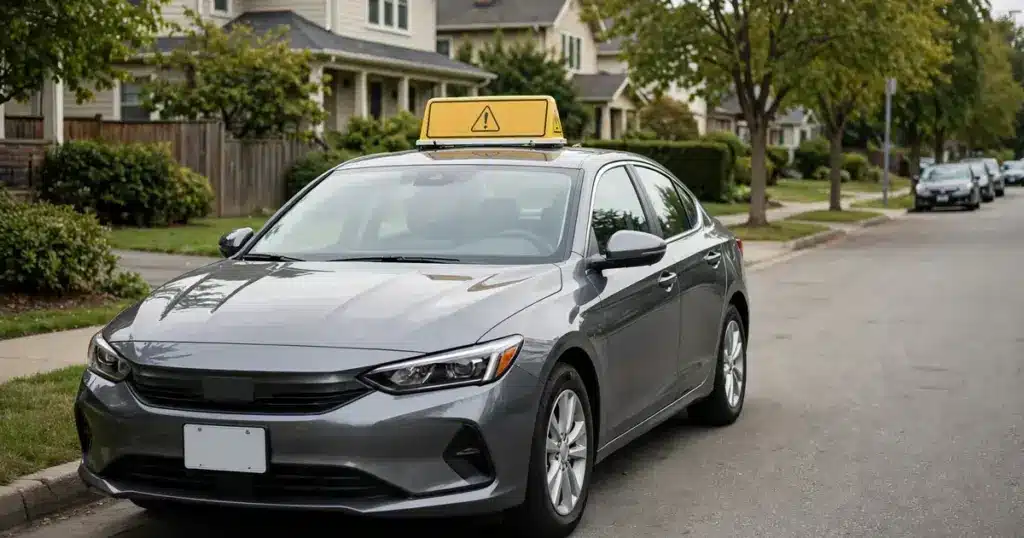
Car insurance for teen drivers is one of the most expensive parts of raising a new driver, but parents who plan ahead can keep the cost under control. The typical path is to add your teen to your own policy as soon as they get a license, carry enough liability coverage to protect your family’s assets, and stack every discount the insurer offers for young drivers.
In this guide, we’ll walk through exactly when to add your teen, how much coverage they need, which discounts actually matter, and what to do when things go sideways — from first tickets to the college years.
Why Teen Car Insurance Costs So Much
Insurers price car insurance for teen drivers high for one simple reason: crash data. Drivers ages 16 to 19 have the highest crash rates per mile of any age group, according to the National Highway Traffic Safety Administration (https://www.nhtsa.gov). Inexperience, distraction, and nighttime driving combine to make teens a statistical risk that insurers have to price in.
Several factors push teen premiums up:
- No driving history. A new driver is an unknown quantity, so insurers default to higher rates until a track record builds.
- High crash frequency. The first two years of licensed driving carry the steepest learning curve.
- Distraction. Phone use behind the wheel is a leading factor in teen crashes, and insurers price the risk accordingly.
- Vehicle choice. Teens often drive older hand-me-down cars — which can help on collision coverage — or borrow the family SUV, which raises liability exposure.
The sticker shock is real, but it fades. Rates typically fall as your teen gains experience and keeps a clean record, and most insurers treat 25 as a major pricing milestone. For a deeper look at how age affects premiums, see our guide on car insurance for 18-year-old drivers.
How Adding a Teen to Your Policy Works
Adding a teen is straightforward. Call your insurer or agent and provide your teen’s name, date of birth, driver’s license number (or permit number), and which household vehicle they will drive most often. Most insurers assign the teen as the “principal operator” of one vehicle — usually the oldest or least expensive one — which helps limit the added premium.
Expect the quote to change noticeably. A teen on a family policy can raise the household premium substantially, since every driver on the policy now carries teen-level risk pricing for liability. But compare that to the alternative: a standalone policy for a 16-year-old, bought alone with no multi-car or multi-policy discounts, is almost always more expensive.
One important detail: list every licensed driver in your household on your policy. Insurers can deny a claim if a household member who regularly drives your cars was never disclosed. A few parents try to keep a teen off the policy to save money, then hand them the keys anyway — that is one of the fastest ways to end up with an uncovered loss.
Your Policy vs. Their Own Policy
Should your teen be on your policy or have one of their own? For most families, the answer is your policy. Here is how the options compare:
| Factor | Added to your policy | Teen’s own policy |
|---|---|---|
| Typical cost | Lower — family discounts apply | Higher — no multi-car or loyalty discounts |
| Liability limits | Your existing limits extend to them | You set limits for them |
| Convenience | One bill, one renewal, one agent | Separate bill and paperwork |
| Discounts | Full family discounts stack | Student and defensive-driving discounts only |
| Risk to you | Their tickets and accidents can raise your premium | Their record stays on their policy |
| Best for | Most families, especially while the teen lives at home | Teens living on their own with their own car |
The main argument for a separate policy is containment: your teen’s first at-fault accident raises the premium of whichever policy they are on. If that policy is yours, your own rates go up too. But in most cases the family discounts and higher shared limits make adding the teen the better deal — and you can always split the bill by having them pay their share of the premium.
Permit Holders: When to Call Your Insurer
Most insurers do not charge extra while your teen holds only a learner’s permit, because a permitted driver is always supervised by a licensed adult. Many companies do not even require you to add a permit holder to the policy — but they do want to know the teen exists in the household.
Call your insurer when the permit arrives and ask two questions:
- Do you need to list a permit holder on the policy now, or wait for the license?
- Will the premium change when the license is issued, and by roughly how much?
Then set a calendar reminder for the license test date. The premium jump usually lands the day the license is issued, and a heads-up from your agent keeps it from arriving as a surprise.

Coverage Choices for a Teen’s First Car
The coverage you pick for a teen matters more than for most drivers, because the odds of a first-year fender bender are high. A few guidelines:
Liability limits: don’t go bare minimum
State minimums are just the legal floor. If your teen causes a serious crash, low limits leave your family’s assets exposed. Many parents raise liability limits to the same level they carry for themselves — often 100/300/100 or higher — because teens are the household’s highest-risk drivers.
Collision and comprehensive: match the car’s value
If your teen drives an older car worth a few thousand dollars, dropping collision and comprehensive can make sense — the premium may be a large fraction of the car’s value. If the car has a loan or lease, those coverages are required by the lender anyway.
Deductibles: raise them carefully
Moving from a $500 to a $1,000 deductible can cut collision and comprehensive premiums noticeably. The trade-off is the out-of-pocket bill after a crash, so pick a deductible your family could actually pay on short notice.
Umbrella policies
Families with meaningful savings or home equity sometimes add an umbrella policy, which extends liability protection beyond auto limits. It is worth discussing with your agent once a teen is on the road.
Discounts That Actually Work for Teen Drivers
Insurers offer a surprising number of discounts that apply to teens. None of them erase the teen surcharge, but together they add up:
- Good student discount. Students who keep a B average or better often qualify for one of the largest teen discounts. Grades have to be verified each year with a report card or transcript. See our full breakdown of how good student discounts lower car insurance.
- Defensive driving course. An approved defensive driving course can shave a few percent off and genuinely makes a new driver safer.
- Driver’s education. Completing a formal driver’s ed program beyond the permit test can qualify for a discount with many insurers.
- Usage-based programs. Telematics programs that track speed, braking, and phone use reward careful driving with discounts — and give parents visibility into their teen’s habits.
- Student away at school. If your teen goes to college more than 100 miles away without a car, many insurers offer a distant-student discount while keeping them covered when they are home. Our guide on college students on a parent’s car insurance policy explains how this works.
- Multi-car and bundling. These family discounts apply automatically when the teen joins an existing policy.
- Paid-in-full and paperless. Small but real discounts that cost you nothing.

How to Keep Rates Down Over Time
The first year is the most expensive. After that, every clean year of driving is money in your pocket. Here’s the long game:
- Coach safe habits early. Set clear rules: no phone use while driving, no passengers for the first six months, no nighttime driving past a set hour. Many states enforce graduated licensing rules along these lines — follow them even if your state is lenient.
- Help them build insurance history. Continuous coverage from day one builds an insurance track record that opens the door to better rates later. Our guide to how new drivers build insurance history walks through the timeline.
- Keep their record clean. One speeding ticket can raise a teen’s rates for three to five years. If it happens, read our guide on car insurance after a speeding ticket for how to handle it.
- After an accident, act fast. A first at-fault accident is stressful; how you handle the claim and what coverage you adjust afterward determines how long the surcharge lasts. See car insurance after an at-fault accident.
- Shop the policy yearly. Once a year, compare your renewed premium against the market. A teen who goes two years claim-free may suddenly qualify for much better pricing elsewhere.
- Keep your own record clean. On a shared family policy, a parent’s ticket or DUI affects everyone on it — your teen included.
Special Situations: College, High-Risk Events, and Older Drivers
Teen drivers sit at the center of several situations other families in this cluster deal with too:
- College years. When your teen leaves for school, you may be able to cut their coverage or claim a distant-student discount — but never drop them entirely if they will drive your cars on breaks. Details in our college students and parents’ car insurance guide.
- After a DUI. If your teen is ever convicted of drunk driving, rates jump dramatically and many standard insurers will not renew. Our guide on car insurance after a DUI covers SR-22 requirements and the path back.
- Assigned risk pools. Teens with serious violations may end up needing coverage through a state’s assigned risk or residual market plan. Learn how assigned risk pool car insurance works.
- Non-owner coverage. If your teen does not have their own car but drives yours occasionally, non-owner coverage is worth understanding — see non-owner car insurance.
- Older family members. The same household may also be insuring a grandparent. Our guide on when seniors should review their car insurance covers the other end of the age spectrum.
Frequently Asked Questions
When do I have to add my teen to my car insurance?
Add your teen once they are licensed and will be driving your household’s cars. Most insurers want to know about permit holders too, though billing usually starts at licensing. Letting an undisclosed teen drive your cars risks a denied claim.
Is it cheaper to add my teen to my policy or buy them their own?
Adding a teen to a parent’s policy is almost always cheaper thanks to multi-car, multi-policy, and loyalty discounts the teen could not get alone. A separate policy makes sense mainly when the teen lives on their own with their own car.
How much will my premium go up when I add a teen driver?
It varies widely by state, insurer, and the vehicle assigned to the teen. Adding a teen typically raises the household premium substantially — sometimes by more than half. The surcharge falls as they gain experience and keep a clean record.
Does a good student discount really help?
Yes. The good student discount is one of the largest discounts available to teen drivers, and many families leave it on the table by forgetting to submit grades each year. A B average or better is the usual qualifying standard.
Should I buy my teen an old car or a safe new one?
Both can work. An older car without collision coverage keeps premiums lower, while a newer car with modern safety features can earn safety discounts and protect your teen better in a crash. Either way, avoid sporty models and high-horsepower cars, which insurers price steeply for teens.
What to Do Next
If your teen is approaching driving age, start with our detailed breakdown of good student discounts and the guide to car insurance for 18-year-old drivers. Call your insurer at the permit stage so there are no surprises at licensing, stack every teen discount you qualify for, and revisit your coverage limits before the first solo drive. And when your teen is ready to become an independent policyholder, our guide on how new drivers build insurance history shows them how to keep rates falling for life.
This article is for general educational purposes only and is not insurance, legal, or financial advice. Coverage rules and rates vary by state and insurer.