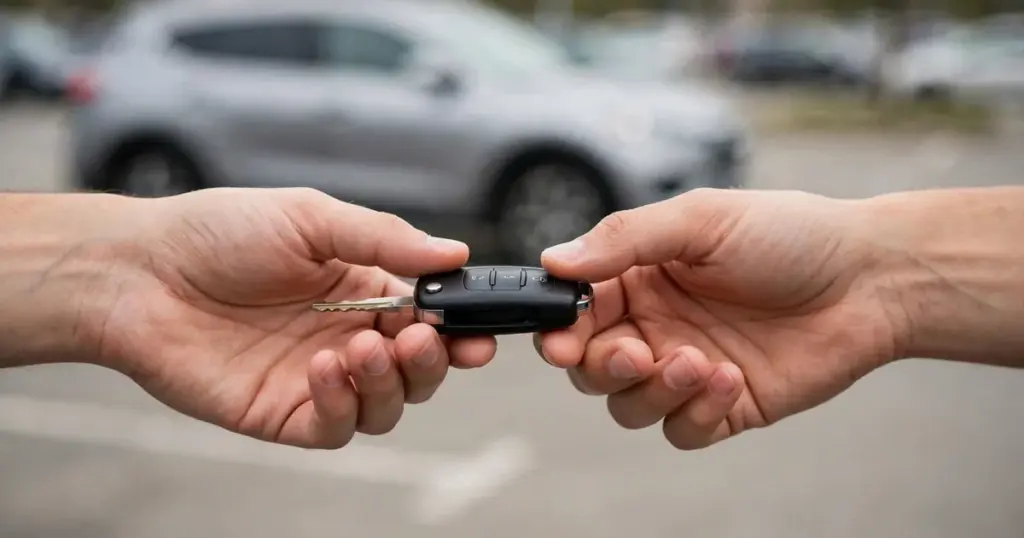
Wondering how to insure a car you just bought? Most drivers add the new vehicle to an existing policy over the phone, through an app, or on an insurer’s website before driving it home. If you don’t have a policy yet, you can buy coverage the same day you pick up the car. The key is making sure insurance is active before the car leaves the lot, because driving without it can leave you personally responsible for any damage you cause.
Do You Need Insurance Before Driving It Home?
Yes. You need car insurance before you drive a newly purchased vehicle off the lot. Dealerships typically ask for proof of insurance before handing over the keys, and every state requires at least liability coverage for cars driven on public roads.
That said, many drivers are covered without realizing it. If you already have a policy, it often includes an automatic coverage extension for a newly acquired vehicle — your current coverage temporarily applies to the new car for a short window, commonly around two weeks. During that time, you must contact your insurer to formally add the car. Learn more in our guide to the new car insurance grace period.
The catch: the extension usually mirrors your existing coverage. If your old car had only liability coverage, your new car gets liability coverage only — which may not satisfy a lender. And with no existing policy, there is no extension at all.
How to Insure a Car You Just Bought: Step by Step
1. Gather the car’s information
Have the year, make, model, and trim; the VIN (vehicle identification number) from the dashboard, door jamb sticker, or bill of sale; the odometer reading; and the purchase date. If the car is financed, you’ll also need the lender’s name and address.
2. Add to an existing policy or buy a new one
If you already insure a vehicle, adding the new car to that policy is usually the fastest option — most insurers let you do it in an app with the VIN, with coverage starting almost immediately. Multi-car policies often cost less per vehicle, and you keep any discounts you’ve earned. If this is your first car or you’re switching insurers, you can buy a new policy online and bind coverage the same day.
3. Choose your coverage and limits
Liability coverage is required nearly everywhere. Beyond that, decide on collision and comprehensive coverage, your liability limits, and your deductibles. A just-bought car — especially a financed one — usually deserves more protection than an older vehicle. Don’t copy your old car’s settings blindly; if you’re unsure how much car insurance you need, review that before finalizing.
4. Bind coverage and get proof
Call your insurer, use their app, or buy online. “Binding” coverage puts it officially in force — ask for the exact effective date and time, and get written confirmation (an email, a digital ID card, or an updated declarations page). Show the dealer your proof of insurance and drive home.
5. Follow up after purchase
Double-check that the policy lists the correct VIN, that any lienholder is named correctly, and that billing is set up. Review the coverage within a few days and adjust anything you rushed through at the dealership.
Choosing Coverage for Your New Car
A just-bought car is often the most valuable thing you own, so coverage decisions deserve real thought:
- Liability limits: State minimums are a legal floor, not a recommendation. Higher limits provide meaningful extra protection for a modest cost increase if you have assets to protect.
- Collision and comprehensive: These pay for damage to your own car from accidents, theft, vandalism, hail, and animal strikes. Both usually make sense for a recently purchased car, and lenders require them.
- Deductibles: A higher deductible lowers your premium but raises your out-of-pocket cost after a claim. Pick one you could comfortably pay tomorrow.
- Extras worth pricing: Roadside assistance, rental reimbursement, and (for financed cars) gap coverage. Get quotes with and without them.
- Discounts to ask about: Advanced safety features like automatic emergency braking or blind-spot monitoring can earn discounts — mention them when quoting.

If You Financed or Leased the Car
When a lender or leasing company has a financial stake in the car, they get a say in your coverage. Almost every auto loan and lease requires collision and comprehensive coverage for the life of the loan, a cap on how high your deductibles can go, and the lienholder listed on your policy so the insurer pays the lender first after a total loss.
If you only had liability coverage on your old car, an automatic coverage extension will not give you the collision and comprehensive coverage your lender requires — you must add them explicitly. Also consider gap coverage: if the car is totaled while you owe more than it’s worth, gap coverage pays the difference between the car’s value and your loan balance.
What to Do With Your Old Policy or Old Car
Timing matters here. Do not cancel anything until the new coverage is confirmed active. If you’re trading in or selling the old car, remove it from your policy once the new car is insured — you may get a partial refund for unused premium. If you’re keeping both cars, add the new one as an additional vehicle and ask about multi-car discounts.
If you bought a brand-new policy from a different insurer, make sure it’s active before canceling the old one — even a one-day gap can cause problems, since insurers often charge more when they see a lapse in coverage. Get cancellation confirmations in writing, and return license plates if your state requires it.
New car vs. your old policy: quick comparison
| Situation | What to do | Watch out for |
|---|---|---|
| You already have a policy and are adding the car | Call or use the app; provide the VIN; confirm the effective date | Grace-period coverage may only mirror your old coverage |
| You have no existing policy | Get quotes and buy a policy before driving home | No automatic extension — coverage starts when you buy |
| The car is financed or leased | Add collision and comprehensive; list the lienholder | Lender may cap deductibles and require gap coverage |
| You paid cash and the car is older | Liability is the minimum; weigh collision/comprehensive by the car’s value | Skipping optional coverage saves money but leaves you self-insuring repairs |
Temporary Coverage Options at the Dealership
Ideally, you arrange insurance before you arrive — you can even get car insurance before buying a car once you know the vehicle. If you’re signing papers and realize you’re not covered, you still have options: buy a policy from your phone (many insurers let you bind coverage online in under 30 minutes), call an agent who can email proof of insurance to you and the dealer, or use dealer-arranged coverage — though the convenience option can cost more than a policy you shop for yourself. A rental car can also bridge the gap while you finalize things.
Whatever you choose, do not drive the car without confirmed, active coverage — “I’ll sort it out tomorrow” is how people end up personally liable for a crash.
Mistakes to Avoid
- Assuming the dealer’s plates or the seller’s policy covers you. Once the car is yours, the seller’s coverage ends for it.
- Copying your old coverage without reviewing it. The new car’s value and your lender’s requirements may demand more protection.
- Canceling the old policy before the new one starts. Even a brief lapse can raise your future rates.
- Forgetting to list the lienholder. If your lender isn’t on the policy, you may be violating your loan agreement.
- Ignoring the grace period’s fine print. The extension has a time limit — miss the deadline and the new car is uninsured.
- Skipping comparison shopping. A new car changes your risk profile; take an hour to compare quotes.
Frequently Asked Questions
Can I drive a car home from the dealership without insurance?
No. You need active insurance before driving on public roads, and dealers typically require proof of insurance before releasing the vehicle. If you have an existing policy, its automatic extension for newly acquired vehicles may already cover the drive home — but verify with your insurer, and formally add the car within the grace period.
How long does the new car grace period last?
It depends on your insurer and policy. Many policies give you roughly two weeks of automatic coverage for a newly purchased car, and the extension generally mirrors the coverage you already had. Check your policy documents or call your insurer for the exact window.
Do I need full coverage on a car I just bought?
Most states don’t legally require collision and comprehensive coverage, but if you financed or leased the car, your lender almost certainly does. Even paying cash, both coverages are worth considering on a recently purchased car, since repair and replacement costs otherwise come out of your pocket.
Is insuring a new car more expensive than a used car?
Often, yes, because a new car’s higher value means higher potential claim payouts. However, new cars also come with advanced safety features that some insurers reward with discounts. Get quotes with the specific VIN to know for sure.
What to Do Next
The single most important step: confirm your new car is insured before you drive it — then review the coverage within the first week to make sure the limits, deductibles, and lienholder details are right.
Buying a car is just one of several special car insurance situations where the standard rules need a second look. Moving soon? Review our moving-to-a-new-state car insurance checklist so your policy stays valid across state lines.
This article is for general educational purposes only and is not insurance, legal, or financial advice. Coverage rules and rates vary by state and insurer.