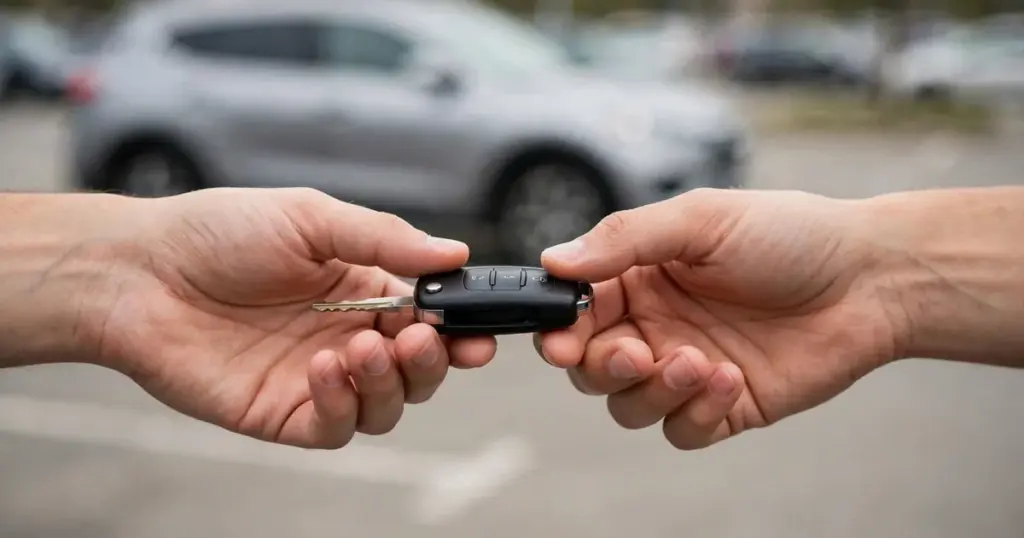
If you list your car on Turo or another car-sharing platform, turo car insurance works very differently from the personal auto policy sitting in your glove box. Once money changes hands for the use of your car, your personal insurer can deny a claim — even a big one. This guide explains how coverage actually works for hosts, where the gaps are, and what to do before your next booking.
Why Renting Your Car Out Changes Your Insurance
A standard personal auto policy is priced for one thing: you and your household driving your car for personal reasons. The moment a paying guest takes your keys through a car-sharing platform, your car is being used for commercial activity, and personal policies are written to exclude exactly that. This is the single most misunderstood part of turo car insurance — many hosts assume their own policy is the safety net when, in practice, it often switches off for rental periods.
Insurers think about a listed car as a higher risk. Guests are unfamiliar with the vehicle, turnover is constant, and the car may see far more miles than your policy’s rating assumed. Disclosing your hosting activity upfront is almost always cheaper and safer than hoping nobody notices.
What Your Personal Auto Policy Covers (and Doesn’t)
Your personal policy still matters as a host — it just covers different moments than you might expect. Understanding which policy applies when is the foundation of getting turo car insurance right.
Covered: personal use between bookings
When you are driving your own car for errands, commuting, or a weekend road trip, your personal auto policy applies normally. Liability, collision, and comprehensive coverage follow the policy terms you already know, assuming you disclosed the hosting activity and the insurer kept you on a personal policy rather than requiring a commercial one.
Usually excluded: the rental period itself
Most personal policies contain an exclusion for vehicles “used to carry persons or property for a charge” — the industry calls this the livery exclusion. Once a guest’s trip begins, your personal insurer will typically point to that clause and deny coverage. That is why Turo and other platforms provide their own protection during trips: they know your personal policy will not step in.
The gray areas: pickup, cleaning, and maintenance drives
Trips for hosting-related tasks — driving to a handoff or taking the car for cleaning between bookings — can sit in a gray zone. Your personal policy may treat these as personal use, but some insurers classify business-related mileage differently, so ask your insurer directly.
Turo’s Host Protection Plans, Explained
Turo provides protection plans for hosts that apply during an active trip — the period between the guest’s check-in and check-out. You choose a plan tier when you list your vehicle, and the tier determines the split of the trip earnings you keep versus the coverage and deductible terms you get. Think of it as trip-based commercial coverage that fills the gap your personal policy leaves open.
Generally, Turo’s host protection includes third-party liability coverage while the guest is driving and physical damage protection for your car during the trip, subject to a deductible that varies by plan tier. Higher tiers typically come with lower deductibles and stronger coverage but take a larger share of each booking; lower tiers keep more of your earnings but leave you with a bigger deductible and less coverage if something goes wrong.
There are important limits. Host protection applies only during the defined trip window — not when the car sits in your driveway between bookings, and not while you drive it yourself. It also has exclusions, such as wear and tear, pre-existing damage, or uses outside the trip terms. Photos of your car’s condition before each trip are standard practice among experienced hosts.

Coverage Gaps Turo Hosts Often Miss
Hosts get into trouble most often in the gaps between the three sources of protection: their personal policy, the platform’s trip coverage, and anything supplemental they carry. Compare them side by side before you list.
| Situation | Personal policy | Turo host protection |
|---|---|---|
| You drive the car yourself | Covered normally | Not applicable |
| Guest’s trip in progress | Typically excluded (commercial use) | Covered per plan tier |
| Car parked between bookings | Covered (comprehensive for theft, weather) | Generally not covered |
| Handoff and cleaning drives | Often covered — confirm with insurer | Not covered |
| Guest violates trip terms | Excluded | May be excluded — check plan terms |
The biggest overlooked gap is the between-bookings period. Your parked car is vulnerable to theft, vandalism, and weather damage — and the platform plan usually does not cover that window, so your personal comprehensive coverage is doing the work.
When a Commercial or Rideshare Endorsement Makes Sense
Some insurers now offer endorsements that extend personal policies to peer-to-peer rental activity, similar to how rideshare endorsements cover delivery and ride-hail drivers. Availability varies widely by state and company.
- You host frequently. Occasional hosting might fit within a personal policy with disclosure; weekly bookings start to look like a business.
- Your insurer offers a car-sharing endorsement. Ask by name — “Do you offer an endorsement for peer-to-peer car sharing or Turo hosting?” — rather than describing it vaguely.
- Your car’s value is high. A newer or expensive vehicle raises the stakes of a coverage gap, making supplemental protection more worthwhile.
- You use multiple platforms. If you list the same car on Turo and another car-sharing service, confirm each platform’s trip coverage applies cleanly — terms are not identical.
If no endorsement exists and hosting is more than a side experiment, a commercial auto policy may be the honest fit. It costs more, but it is designed for vehicles used to earn money and avoids the denial risk that comes with misrepresenting how the car is used.
What Happens If a Guest Damages Your Car
When damage occurs during a trip, the claim goes through the platform’s process first, not your personal insurer. Report the damage promptly — hosts usually have a short window after trip end — and provide your before-and-after photos and the trip details. The platform assesses the claim under your chosen protection plan and applies the deductible.
Two things catch hosts off guard here. First, normal wear and tear is not damage — frequent hosting accelerates depreciation and interior wear, and that cost lands on you. Second, if the damage falls under an exclusion (say, the guest let an unlisted driver take the wheel), you may have to pursue the guest directly or absorb the loss.
If your personal policy is somehow involved — for instance, damage discovered after the trip window — be truthful about the car’s rental history when you file. Misrepresentation can void coverage, and insurers share claims history.
Keeping Insurance Costs Down as a Host
Hosting adds cost, but a few habits keep the total manageable:
- Choose your protection tier deliberately. The cheapest tier saves on every booking but can cost you far more after one incident.
- Keep your personal policy clean. Violations and at-fault claims raise your personal premium — your driving record matters more once the car earns money.
- Shop your personal policy as a disclosed host. If your current insurer surcharges or non-renews hosts, another company may work with them.
- Maintain the car visibly well. Maintenance records and clean inspection photos speed claims and support resale value.
- Revisit coverage yearly. Hosting frequency, car value, and platform plan terms all change — an annual review keeps you from paying for yesterday’s situation.
Frequently Asked Questions
Does my personal car insurance cover my car while it’s rented on Turo?
Almost certainly not during the rental itself. Personal auto policies generally exclude vehicles rented out for a charge, which is why Turo provides host protection plans that apply during active trips. Your personal policy still covers your own driving and the car parked between bookings.
What does Turo’s host protection actually include?
During an active trip, Turo’s plans typically provide third-party liability coverage and physical damage protection for your vehicle, with a deductible that depends on the plan tier you choose. Coverage ends when the trip ends, and exclusions apply — read the current plan terms before listing.
Do I need to tell my insurance company I’m a Turo host?
Yes. Failing to disclose that your car is rented for money can lead to denied claims or a cancelled policy if the insurer finds out after a loss. Many insurers will work with hosts; some require an endorsement or a commercial policy.
What happens if a guest damages my car and I chose the lowest protection tier?
The claim is handled under that tier’s terms, which means a larger deductible and potentially narrower coverage. You pay the deductible amount before protection pays the rest, so weigh the per-trip savings against what one serious incident would cost you.
Is my car covered while parked between Turo bookings?
The platform’s trip protection generally does not cover the car between bookings — that falls to your personal policy’s comprehensive coverage for things like theft, vandalism, or weather damage. Make sure you keep comprehensive coverage active on a hosted car.
What to Do Next
Before your next booking, do three things: call your insurer and disclose your hosting activity (ask about a car-sharing endorsement), read your platform’s current host protection terms, and photograph your car from every angle before each trip. For broader context, see our overview of special car insurance situations, our guide to car insurance for rental cars, and the related piece on car insurance for delivery and gig drivers. If you also drive for ride-hail apps, read what rideshare insurance is — the coverage-period logic is similar, but the parties are different.
This article is for general educational purposes only and is not insurance, legal, or financial advice. Coverage rules and rates vary by state and insurer.