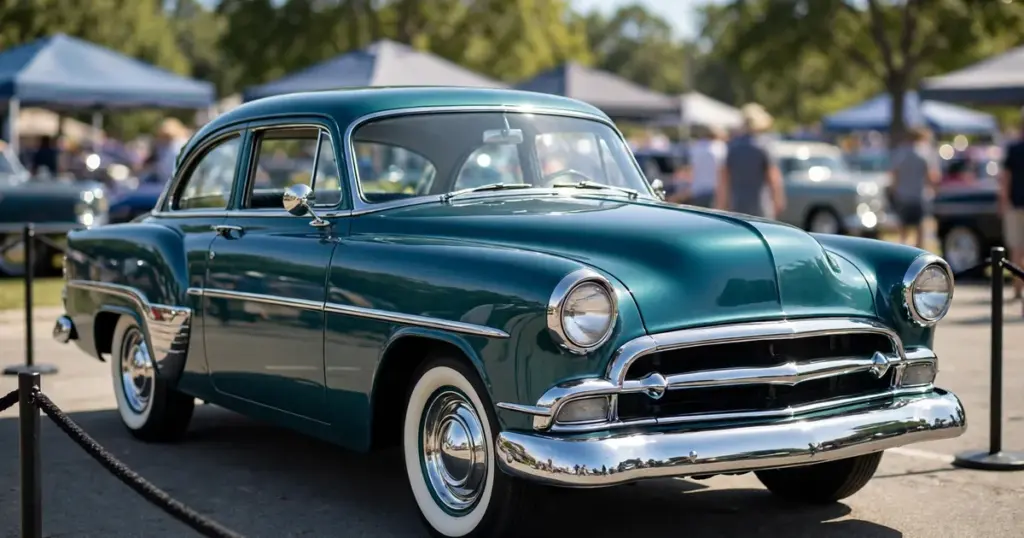
Classic car insurance is a specialized type of auto policy designed for collector, antique, and classic vehicles. Instead of paying you a depreciated market value after a claim, these policies usually pay an agreed value you and the insurer settle on up front. If you own a vintage car, a standard auto policy for regular cars may not reflect what your vehicle is truly worth.
What Is Classic Car Insurance?
Classic car insurance is a niche auto policy for vehicles that are collectible, restored, or of historical interest. It recognizes something standard policies ignore: a well-kept older car may hold steady or even grow in value instead of depreciating like a normal used car.
The signature feature is agreed value coverage. When you buy the policy, you and the insurer agree on the car’s value, documented with photos, appraisals, or restoration records. If the car is totaled or stolen, you receive that agreed amount instead of a book value that undervalues the vehicle.
Do not confuse agreed value with stated value, which sometimes appears on standard policies. Stated value lets you declare a number, but the insurer can still pay the lower of the stated value or the car’s actual cash value at claim time. Agreed value locks in the payout. If your collector car matters to you financially or emotionally, that difference is the whole point of buying a specialty policy.
These policies also reflect how classics are actually used. They are driven to shows, weekend cruises, and club events — not commuted in daily. Lower mileage and careful storage mean lower risk for insurers, which is why classic car premiums are often noticeably cheaper than standard auto insurance for a comparable value.
Which Cars Qualify as Classics?
Not every old car qualifies. Insurers generally look at three things: age, usage, and condition.
Age Requirements
Many policies consider cars that are at least 20 to 25 years old as classics, while vehicles 45 years and older may fall into the “antique” tier with its own rules. Some programs accept newer vehicles of special interest, such as limited-production models or exotics, even if they are not old enough by the calendar. Each insurer sets its own cutoff, so it pays to compare eligibility rules.
Usage Limits
Classic car policies come with strict usage rules. The car cannot be your primary vehicle — you need a separate daily driver covered by a regular policy. Annual mileage is limited, and daily commuting, business use, or errand runs are typically excluded. Many policies also require the car to be stored in a locked, enclosed garage.
Condition and Documentation
Insurers want to see that the car is preserved, restored, or maintained as a collectible. You may need to submit photos, restoration receipts, or a professional appraisal. Modified cars, works in progress, and daily-driven beaters usually do not qualify for the best classic programs.
Classic Car Insurance vs. Standard Auto Insurance
The two policy types solve different problems. A standard policy is built for cars that depreciate and are driven every day; a classic policy is built for cars whose value is stable and that see limited road time.
| Feature | Classic Car Insurance | Standard Auto Insurance |
|---|---|---|
| Value basis | Agreed value set at policy start | Actual cash value (depreciated) |
| Typical use | Shows, cruises, occasional pleasure driving | Daily commuting and regular use |
| Mileage | Limited annual mileage | No mileage limit |
| Storage | Locked, enclosed garage often required | No storage requirement |
| Driver rules | Driver must have a separate daily driver | Can be your only vehicle |
| Typical premium | Often lower due to limited use | Based on everyday risk factors |
What Affects the Cost of Classic Car Insurance?
Pricing a classic car policy works differently from pricing regular coverage. Because the cars are driven sparingly and stored carefully, rates are often lower than you might expect — but several factors still move the price:
- Agreed value: a higher agreed value raises the premium, since the insurer’s payout exposure is larger.
- Annual mileage: the fewer miles you drive, the lower the price tends to be.
- Storage: a locked, enclosed garage earns better pricing than street or driveway parking.
- Driving record: a clean record still matters, just as with any auto policy.
- Modifications and rarity: rare or heavily modified cars can cost more to insure because repairs are harder to source.
Rates vary by state, insurer, and the car itself, so gathering a few quotes is worth the effort — especially for higher-value vehicles where agreed value makes a large difference.
A few habits can keep classic car premiums low without cutting coverage. Choosing a realistic mileage tier instead of the maximum keeps the price down. Raising the deductible is often cheap to do on a car that is garaged most of the year. And keeping your daily driver’s policy with a carrier that partners with classic programs can sometimes unlock multi-policy discounts — ask each insurer directly, since these pairings change often.
How to Buy a Classic Car Policy
Start by confirming your car and your driving habits fit the classic definition. Then follow these steps:
- Document the car’s value. Gather photos, restoration receipts, and an appraisal if you have one. The agreed value negotiation goes smoother with evidence.
- Check the usage rules. Make sure you can honestly meet the mileage cap and storage requirement, and that you have a separate daily driver.
- Compare specialty quotes. Get quotes from insurers that run dedicated classic car programs, not just your regular auto carrier.
- Review spare parts and roadside coverage. Some classic policies offer coverage for spare parts and specialized towing — useful extras for older vehicles.
- Keep records current. If the car’s value rises after more restoration work, ask about updating the agreed value at renewal.
Collector vehicles sit among the special car insurance situations where a standard policy may leave gaps, so it is worth shopping this separately from your everyday coverage.
Frequently Asked Questions
Can I drive my classic car every day with classic car insurance?
No. Classic car policies are written for occasional pleasure driving, shows, and club events — not daily commuting or errands. If you drive the car every day, it belongs on a standard auto policy, and using a classic policy that way can lead to a denied claim.
What is agreed value coverage?
Agreed value is a payout method where you and the insurer set the car’s value when the policy starts. After a total loss or theft, the insurer pays that agreed amount with no depreciation adjustment. It is the main reason classic car owners prefer specialty policies over standard ones.
How old does a car need to be to qualify as a classic?
Many programs set the line at 20 to 25 years old, while antique tiers may require 45 years or more. Some insurers also accept newer limited-production or specialty vehicles. Exact cutoffs vary by insurer, so check the eligibility rules before applying.
Can I insure a modified or project car as a classic?
It depends. Many classic programs prefer original or professionally restored cars, but some accept tastefully modified vehicles and cars under restoration at a different rate or with a separate program. Disclose all modifications honestly when you apply.
What to Do Next
If your car fits the classic definition, get quotes from specialty insurers and compare agreed value terms, mileage limits, and storage rules before you commit. Make sure you understand what counts as covered use so a weekend cruise does not turn into a coverage dispute.
Collector cars are just one kind of unusual risk — see our guide to special car insurance situations for other scenarios that need custom coverage, and learn about the insurance differences between hybrid and fully electric cars if you are comparing modern alternatives too.
This article is for general educational purposes only and is not insurance, legal, or financial advice. Coverage rules and rates vary by state and insurer.