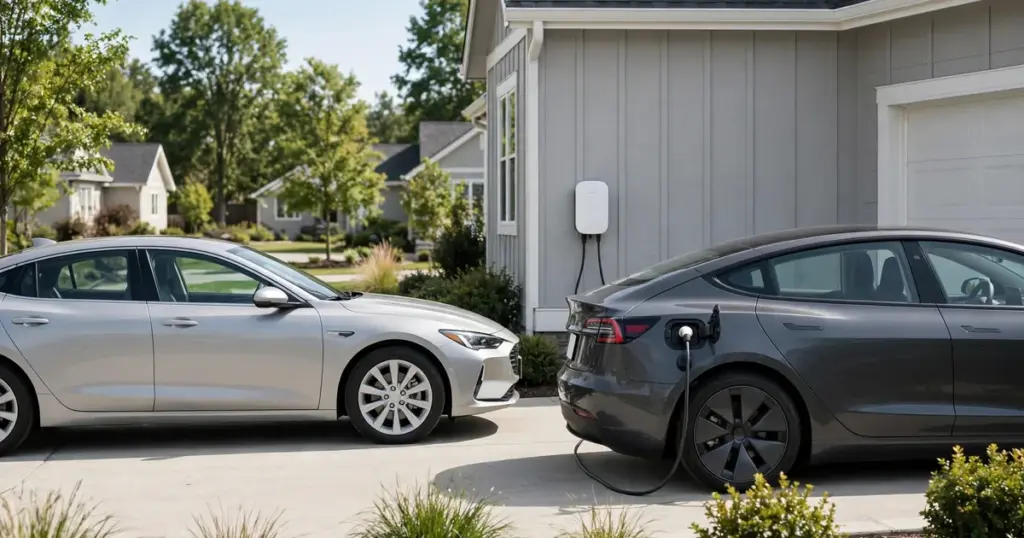
Hybrid vs electric car insurance differs more than most drivers expect. Hybrids combine a gas engine with an electric motor, while fully electric cars run on a large battery pack alone — and that difference changes repair costs, claim patterns, and often the premium. In general, fully electric cars cost more to insure than comparable hybrids, though the gap varies by model, state, and insurer.
Why Hybrids and Electric Cars Are Insured Differently
Insurance pricing is built on one question: how much will claims on this vehicle cost? Hybrids and fully electric cars answer that question differently because their hardware is different.
A hybrid still has a gasoline engine, a transmission, and many parts shared with conventional cars. Repair shops know these systems well, parts are widely available, and a fender bender rarely threatens the most expensive component — the smaller hybrid battery. Insurers see a risk profile close to a normal car, with a modest surcharge for the extra technology.
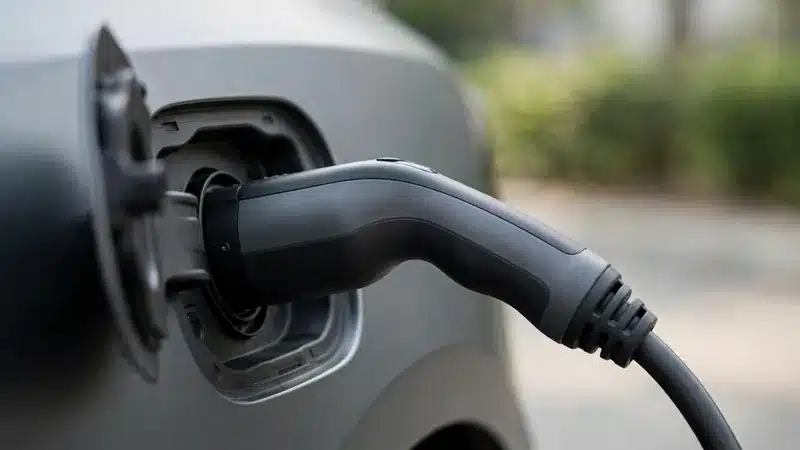
A fully electric car replaces the engine and transmission with a large battery pack that often runs the full length of the vehicle’s floor. That pack is the single most expensive part on the car. Even moderate collision damage can reach it, and battery replacement is costly enough that insurers may declare the car a total loss in crashes where a gas car would be repaired. That claim-severity difference is the core reason EV insurance pricing diverges.
How Insurance Works for Hybrid Cars
Hybrids are the easier case. Most insurers rate them much like their gas-only equivalents, with adjustments for the specific model. Plug-in hybrids (PHEVs), which have larger batteries and can charge from an outlet, tend to sit slightly higher than regular hybrids but still well below full EVs in most quotes.
What shapes a hybrid’s premium:
- Repair familiarity: independent shops and dealers have serviced hybrids for years, so labor and parts costs are predictable.
- Smaller battery: the hybrid battery is far smaller than an EV pack, so battery-related claims are rarer and cheaper.
- Advanced safety tech: many hybrids come loaded with driver-assistance features that can reduce crash frequency, though their sensors add repair cost when damaged.
- Theft and claim history: insurers price each model on its actual loss data, so a popular hybrid with low claim rates can be cheap to insure.
How Insurance Works for Fully Electric Cars
Fully electric cars introduce pricing factors that do not exist for gas or hybrid vehicles. The battery dominates everything.
Battery exposure. Because the pack is structural and spans the floor, side impacts and underbody damage carry outsized claim costs. Specialized handling and safety procedures for high-voltage systems also add labor expense at repair time.
Repair networks. Fewer independent shops are certified to repair EVs, so work often goes to the dealer or a specialty shop with higher labor rates. Some parts, especially body panels with embedded sensors and cameras, are model-specific and expensive to replace.
Higher vehicle values. New EVs often cost more to buy than comparable gas cars, and insurers price physical damage coverage against that higher value. As the used EV market matures and values settle, this effect is gradually changing.
Hybrid vs Electric: Head-to-Head Comparison
| Insurance factor | Hybrid cars | Fully electric cars |
|---|---|---|
| Typical premium level | Close to gas cars, slightly higher | Often noticeably higher than hybrids |
| Biggest cost driver | Conventional engine plus hybrid system | Large battery pack and high-voltage systems |
| Battery claim risk | Lower — smaller, protected battery | Higher — battery damage can total the car |
| Repair options | Wide — most shops can service hybrids | Narrower — certified or dealer shops common |
| Safety-tech repair cost | Moderate | High — sensors and cameras are model-specific |
| Green discounts | Often available | Often available |
Which Costs More to Insure: Hybrid or Electric?
For two otherwise similar vehicles, the fully electric one usually costs more to insure. The difference is not about how you drive — it is about what claims cost. A battery pack that can represent a large share of the car’s value, combined with specialized repair labor, pushes EV claim severity above hybrids in most insurer loss data.
That said, the gap is not fixed. A hybrid luxury sedan with expensive sensors can cost more to insure than a modest electric hatchback. Model-level loss history, your state, your driving record, and the coverage limits you choose all move the number. The honest answer is: the EV usually costs more, but the only quote that matters is the one for your car, your address, and your record.
One more nuance: depreciation. EVs have seen sharper value swings than hybrids in recent years, which feeds into comprehensive and collision pricing. If you are buying used, a cheaper purchase price partly offsets the higher per-dollar insurance cost.
Saving on Green Vehicle Insurance
Electrified cars cost more to insure on average, but you have levers to pull:
- Ask about alternative-fuel discounts. Some insurers offer a green-vehicle discount for hybrids, PHEVs, and EVs. It is not universal, so ask directly and compare carriers.
- Quote before you buy. Get insurance quotes for the exact trim you are considering. Trim-level differences — bigger wheels, performance packages — can move the premium more than the hybrid/EV choice itself.
- Raise the deductible thoughtfully. A higher deductible lowers the premium, which helps most on vehicles with expensive physical-damage coverage. Keep it at an amount you could actually pay after a crash.
- Use telematics or low-mileage programs. If you drive gently and not far, usage-based programs can offset the green-car surcharge.
- Bundle and shop annually. Bundling home and auto, then re-shopping each year, keeps insurers honest — loyalty rarely beats competition.
Frequently Asked Questions
Are electric cars more expensive to insure than hybrids?
In most cases, yes. Fully electric cars tend to cost more to insure than comparable hybrids because battery replacement and specialized repairs raise claim costs. The gap varies by model, state, and insurer, so get quotes for the exact vehicles you are comparing.
Does the battery affect my electric car insurance premium?
Indirectly but significantly. The battery pack is the most expensive component on an EV, and damage to it can lead to a total loss. Insurers price this risk into comprehensive and collision coverage, which is a major reason EV premiums run higher than hybrid premiums.
Can I get a discount for driving a hybrid or electric car?
Some insurers offer alternative-fuel or green-vehicle discounts that apply to hybrids, plug-in hybrids, and fully electric cars. Availability varies by carrier and state, so ask for it explicitly when you quote — it is not always applied automatically.
Will my insurance go up if I switch from a gas car to an electric car?
It often does, since EVs generally cost more to repair and replace than equivalent gas cars. A hybrid may land closer to what you paid before. The exact change depends on the models involved, so quote your next car before you sign anything.
What to Do Next
If you are choosing between a hybrid and a fully electric car, quote both before you buy — run the exact trims through two or three insurers and compare the annual difference. A few hundred dollars a year either way can change the math on fuel savings.
Electrified vehicles are one of many special car insurance situations where standard assumptions break down. For more on the electric side specifically, see our tips for cheaper electric car insurance, and if you own something far older than either, read how classic car insurance works — collector cars follow completely different rules.
This article is for general educational purposes only and is not insurance, legal, or financial advice. Coverage rules and rates vary by state and insurer.