Do you need car insurance if you rarely drive? In most cases, yes. As long as your car is registered and could be driven on public roads, state law generally requires you to keep it insured — your mileage doesn’t change that.
But “yes, you need it” doesn’t mean you should pay a full commuter’s premium for a car that moves once a month. There are legitimate ways to cut the cost. This guide explains why coverage is still required and the smarter options for low-mileage drivers.
The Short Answer: Yes, You Still Need It
If your car has active registration, you almost certainly need to keep it insured, no matter how little you drive. Car insurance requirements in every state apply to the vehicle itself — a car that sits in your driveway 29 days a month is treated the same as a daily commuter.
The reasoning is practical: a registered car can be driven at any moment, and the state has no way to verify your mileage promises. Lenders and leasing companies add another layer — if you still owe money on the car, your loan or lease agreement almost always requires continuous full coverage, low mileage or not.
Why Rarely-Driven Cars Still Need Coverage
Low mileage doesn’t mean low risk. A car that rarely moves can still suffer serious, expensive damage:
- Weather and falling objects: Hail, wind-blown branches, and flooding damage parked cars every year. Comprehensive coverage is what pays for these.
- Theft and vandalism: A car that sits untouched for weeks is an attractive target. Without comprehensive coverage, a stolen car is a total loss you absorb yourself.
- Other drivers: Someone can sideswipe your parked car or back into it in a parking lot. If they drive off, you’re filing under your own policy.
- Liability exposure: The moment you do drive — even once — you’re exposed to the same liability as anyone else. One at-fault accident without insurance can mean personal financial ruin.
Then there’s the legal side. Driving uninsured, even rarely, can bring fines, suspended registration, and impoundment depending on your state. And if you cause a crash while uninsured, you may have to show proof of financial responsibility before the state lets you drive again.
What Happens If You Cancel Insurance on a Parked Car
Cancelling feels like the obvious way to save, but it usually backfires:
- Registration trouble: Most states monitor insurance electronically. Cancel your policy and the state may suspend your registration or fine you automatically — even if the car never left the driveway.
- Lender penalties: If you have a loan or lease, the lender will find out and can buy “force-placed” insurance for the car and bill you for it, often at steep prices.
- A coverage gap on your record: Insurers ask about lapses when you apply. A gap — even a few months — typically leads to higher quotes when you reinsure, wiping out whatever you saved.
- Zero protection while parked: Between cancellation and your next policy, theft, fire, or storm damage comes entirely out of your pocket.
The only clean way to drop coverage is to also surrender the plates and formally suspend or cancel the registration with your state. If the car isn’t registered, most states don’t require insurance — but then it legally can’t be driven at all until you re-register and reinsure it.
Smarter Ways to Save When You Barely Drive
Instead of cancelling, low-mileage drivers have several legitimate ways to pay less while staying legal:
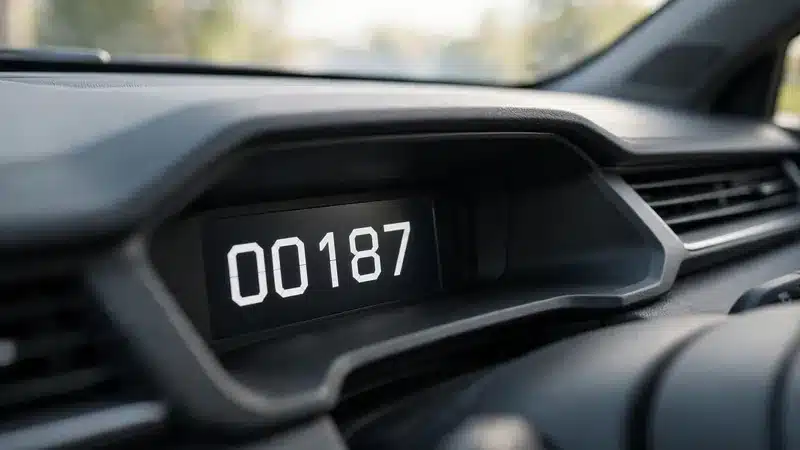
- Pay-per-mile insurance: With pay-per-mile car insurance, you pay a low base rate plus a per-mile charge, so driving less directly means paying less. For genuinely low-mileage drivers, this is often the single biggest saver.
- Low-mileage discounts: Many insurers offer discounts for driving under a set annual threshold. If you estimate your yearly mileage honestly, ask your insurer whether you qualify.
- Usage-based programs: Telematics programs track your driving through a phone app or plug-in device. Gentle, infrequent driving usually scores well and earns a discount.
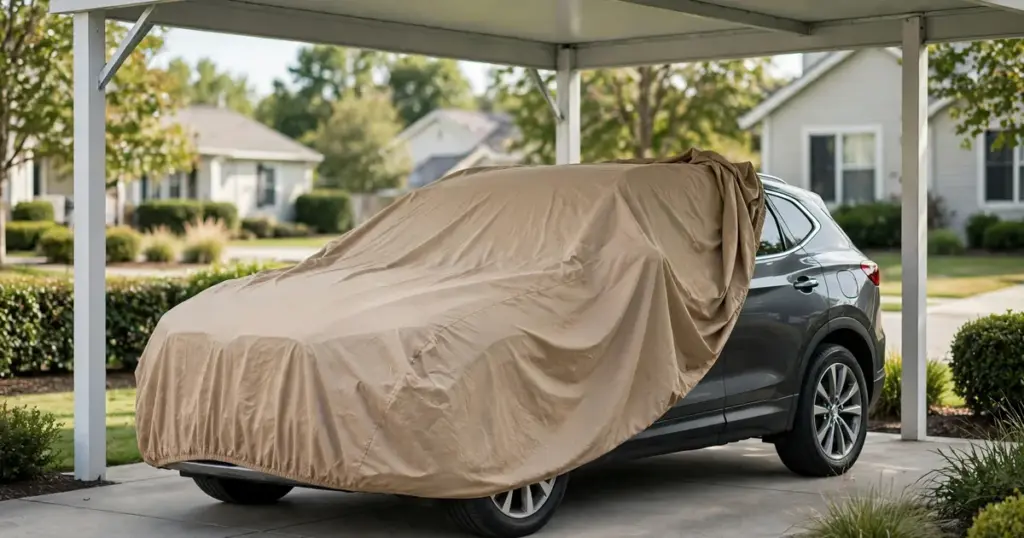
- Comprehensive-only storage coverage: If the car will sit for months with the registration suspended, some insurers let you drop liability and collision and keep comprehensive only — protecting against theft, fire, and weather at a fraction of the cost.
- Raise your deductible: A higher deductible lowers your premium. Just be sure you could actually pay it if something happened.
- Review your discounts: Bundling, paperless billing, and good-driver discounts still apply. Our rundown of car insurance discounts you may qualify for is worth a scan.
One caution: don’t drop liability coverage on a car you might drive. Liability is the legally required part in nearly every state, and it’s the coverage that protects your finances if you hurt someone.
Your Options at a Glance
Which approach fits depends on how long the car sits and whether it stays registered:
| Option | Best when | Watch out for |
|---|---|---|
| Keep your current policy | You drive at least occasionally and want full protection | You may be overpaying for miles you don’t drive |
| Switch to pay-per-mile | You drive very few miles per year | Base rate still applies; not available everywhere |
| Low-mileage or telematics discount | You want to keep your insurer and policy structure | Savings depend on verified mileage or driving data |
| Comprehensive-only storage coverage | The car sits for months with registration suspended | The car cannot legally be driven until reinsured |
| Cancel insurance entirely | Almost never advisable | Fines, registration suspension, coverage gap, zero protection |
Frequently Asked Questions
Can I pause my car insurance for a few months instead of cancelling?
Some insurers let you reduce coverage to comprehensive-only while a car sits in storage, but most do not offer a true pause. Cancelling outright usually triggers registration problems and a coverage gap on your record. Talk to your insurer about a storage option before you cancel.
Do I need insurance if my car is in storage and never driven?
If the registration stays active, most states still require continuous coverage, so yes. If you turn in the plates and formally suspend the registration, you may be able to drop liability and keep comprehensive-only protection against theft, fire, and weather damage.
What happens if I get caught driving without insurance?
Penalties vary by state but commonly include fines, license and registration suspension, and higher premiums later. Some states also require you to show proof of financial responsibility before you can reinstate your driving privileges.
Will a coverage gap raise my rates when I buy insurance again?
Usually, yes. Insurers view a lapse in coverage as a sign of higher risk, and many charge more after a gap — even a short one. Keeping at least some continuous coverage is often cheaper than cancelling and restarting.
What to Do Next
Start by checking your policy’s current mileage estimate — many drivers are rated as commuters when they barely drive, and correcting that alone can lower your bill. Then compare a pay-per-mile quote against your current premium to see the gap. Read our pay-per-mile car insurance guide for the details, and review the insurance requirements in your state so any change you make keeps you legal.
This article is for general educational purposes only and is not insurance, legal, or financial advice. Coverage rules and rates vary by state and insurer.