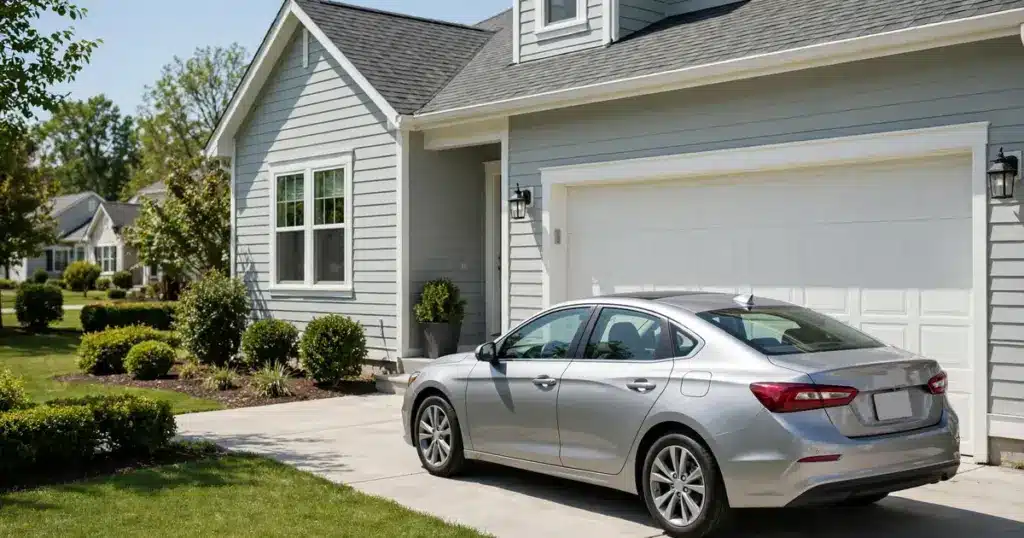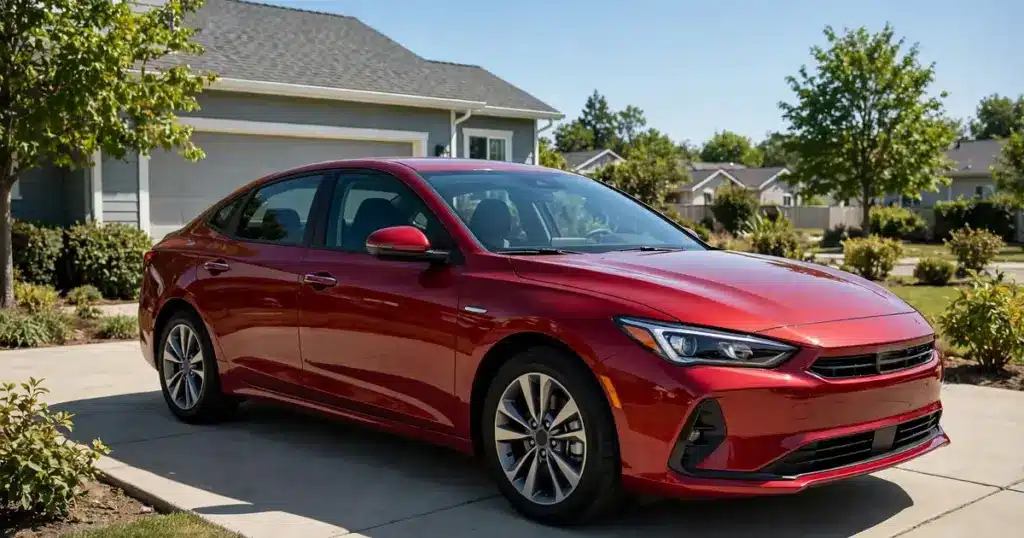
No — car color does not affect insurance rates. Insurers do not ask about your paint color when you apply, and they do not factor it into your premium. So if you are wondering “does car color affect insurance rates,” the short answer is that your choice of red, black, white, or any other color makes no difference to what you pay.
This is one of the most persistent beliefs in car insurance, and it costs drivers real money when it steers them away from the choices that actually matter. Below is the truth behind the myth, what insurers really look at, and how to keep your premium down no matter what color you drive.
Where the Car Color Myth Came From
The idea that red cars cost more to insure has floated around for decades, and it has just enough surface logic to stick. Red is associated with speed and risk-taking, so people assume insurers charge red-car drivers more. But an assumption is not a rating factor.
There are a few plausible roots for the belief:
- Traffic stops: Some drivers believe red cars attract more attention from police. Whether or not that is true, it is the ticket — not the paint — that can raise your rate. A speeding ticket on your record costs you the same whether you earned it in a red sports car or a beige sedan.
- Confusion with sports cars: Many red cars are sporty models with powerful engines and higher repair costs. People may have noticed that “red car” owners pay more and blamed the color instead of the vehicle. Insurers price the make, model, engine, and safety features — a red family sedan costs the same to insure as an identical silver one.
- Visibility talk: Brighter colors may be easier to see, and some have claimed darker cars get into more night-time crashes. Even if a study once suggested this, insurers do not use color-coded crash data in their pricing. Your rate never changes because of your paint job.
The bottom line is simple: color is not on the list of things insurers are allowed to rate on, and they do not collect it. When you fill out a quote, you will be asked about your vehicle’s year, make, model, and VIN — never its color.
Why Insurers Don’t Care About Paint Color

Insurance pricing is built on risk data: the likelihood of claims and their expected cost. For color to matter, insurers would need evidence that color predicts claims — and they would need to collect color data, which they do not. No major rating plan in the United States includes paint color as a factor.
Here is what that means in practice:
- Quotes never ask for color. Check any online quote form: year, make, model, trim, mileage, garaging ZIP code, driving history — but no color field. If it were priced, they would ask.
- Repainting changes nothing. If you wrap or repaint your car a different color, your insurer does not need to know, and your premium stays the same.
- Insurance cards and registration do not track it. Your proof of insurance lists the vehicle by VIN, year, make, and model — color is absent because it is irrelevant to the policy.
So feel free to pick the color you love. Your wallet will not notice the difference.
What Actually Affects Your Car Insurance Rate
If color is off the table, what is on it? Insurers weigh a set of rating factors that connect to real claim costs. The table below contrasts the myth with the factors that genuinely move your premium.
| Factor | Affects your rate? | Why |
|---|---|---|
| Car color (paint) | No | Not collected and not used in any rating plan |
| Vehicle make, model, and trim | Yes | Repair costs, safety ratings, and theft rates differ by model |
| Driving record | Yes | Accidents and violations signal higher future claim risk |
| Coverage limits and deductibles | Yes | More coverage and lower deductibles cost more |
| Where you live and garage the car | Yes | Claim frequency varies by area |
| Annual mileage | Yes | More miles on the road means more exposure |
A few of these deserve a closer look:
Your driving record matters most
A clean record is the single biggest lever most drivers control. At-fault accidents, speeding tickets, and serious violations can raise your premium for years, while a clean stretch of driving earns you preferred rates and accident-free discounts. Learn what goes into a car insurance premium to see how your history combines with other factors.
The vehicle itself still matters — just not its color
Two cars with the same sticker price can cost very different amounts to insure. A model with expensive parts, a high theft rate, or a powerful engine will typically cost more than a modest sedan with strong crash-test ratings and cheap repairs. When car shopping, comparing insurance costs across models is far more useful than comparing colors.
Your coverage choices set the ceiling
Liability car insurance limits, collision and comprehensive deductibles, and optional add-ons all shape your price. Higher limits protect you better but raise the premium; higher deductibles lower it. These decisions dwarf any color choice.
Does Color Matter When Buying a Car?
While color does not touch your insurance rate, it can play a small supporting role in your overall driving costs and experience:
- Theft appeal: Some colors may be more popular with thieves simply because those cars are common, not because of the paint itself. Insurers track theft by make and model, not by color.
- Visibility: Lighter colors may be marginally more visible at night. This is a personal safety consideration, not a rating factor.
- Heat and resale: Dark cars absorb more heat (hello, air conditioning) and certain colors hold resale value better. Both affect your wallet, just not your premium.
None of this should drive your insurance decisions. But it is worth knowing whether your car insurance follows the car or the driver — because the driver behind the wheel matters far more than the paint on it.
How to Lower Your Premium (Any Color)
Since color is not negotiable with insurers, focus your energy where it counts:
- Keep your record clean. Safe driving is the most powerful discount there is.
- Choose your deductible deliberately. A higher deductible lowers your premium if you can afford the out-of-pocket cost after a claim.
- Compare quotes from multiple insurers. The same driver and car can be priced very differently across companies.
- Ask about discounts. Safe-driver, multi-policy, low-mileage, and defensive-driving-course discounts can stack up.
- Revisit coverage on older cars. Dropping collision on a car worth less than the cost of the coverage plus deductible can make sense — run the numbers first.
- Pay attention to state rules. Minimum coverage requirements and rating rules vary; see car insurance requirements in every state to understand what your state demands.
Frequently Asked Questions
Do red cars really cost more to insure?
No. Red cars do not cost more to insure than cars of any other color. The myth likely comes from red sports cars, which cost more because of their performance and repair costs, not their paint. An identical car costs the same to insure whether it is red, white, black, or blue.
Will insurers ask about my car’s color on a quote?
No. Standard quote applications ask for the year, make, model, trim, and VIN — never the color. If insurers priced color, they would need to collect it, and they do not.
Does repainting my car change my insurance rate?
No. Repainting or wrapping your car a different color does not change your premium, and you do not need to tell your insurer about a color change. Your policy identifies the vehicle by VIN, not by paint.
Are black cars more expensive to insure because they are harder to see at night?
No. Insurers do not adjust rates based on vehicle visibility or paint darkness. Night-time visibility is a safety topic, not a rating factor, and it has no effect on what you pay.
What to Do Next
Now that you know color is a non-factor, put your attention on the things that actually control your premium. Start by comparing quotes for the specific make and model you drive, keeping your driving record clean, and reviewing your coverage limits once a year. If you enjoyed busting this myth, read through more common car insurance myths to see which other “rules” are not real.
This article is for general educational purposes only and is not insurance, legal, or financial advice. Coverage rules and rates vary by state and insurer.