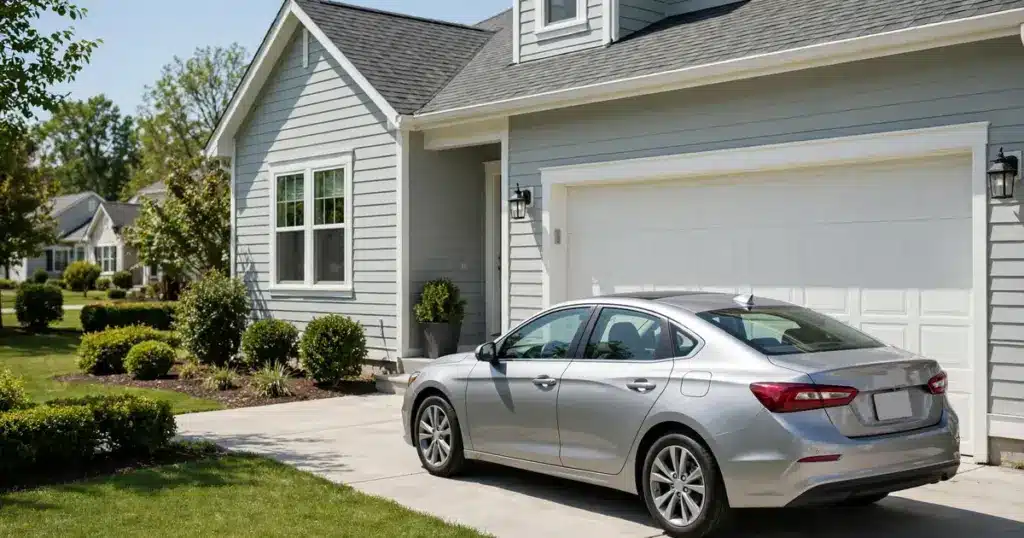
Car insurance follows the car, not the driver. If you lend your car to a friend and they crash it, your insurance is generally the policy that pays for the damage — even though you were nowhere near the wheel.
That simple rule answers the question “does car insurance follow the car or the driver?” — but the details matter: the borrower’s own insurance can also come into play, and several exceptions can leave you or the borrower exposed.
The Short Answer: Car Insurance Follows the Car
Auto insurance is written around the vehicle. Your policy insures your car, and anyone you let drive it with your permission is typically treated as an insured driver under your policy. Insurance professionals call this “permissive use,” and it is standard in most US personal auto policies.
When your neighbor backs your sedan into a mailbox, the liability coverage on your policy responds, not your neighbor’s.
State laws reinforce this structure. State laws that require car insurance require the vehicle’s owner to carry coverage, and that coverage is what answers when the car causes harm, regardless of who is holding the wheel.
How Permissive Use Works
What “permissive use” means
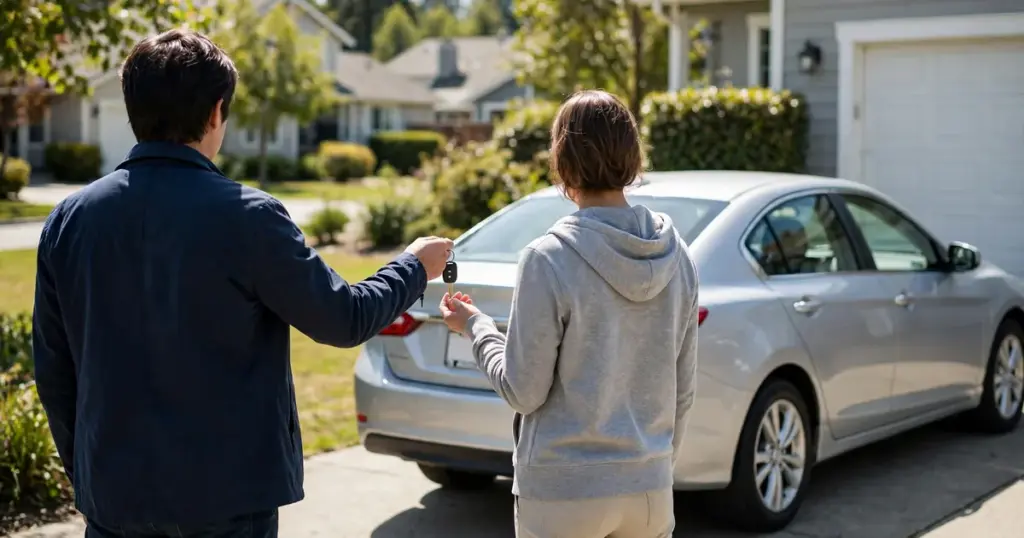
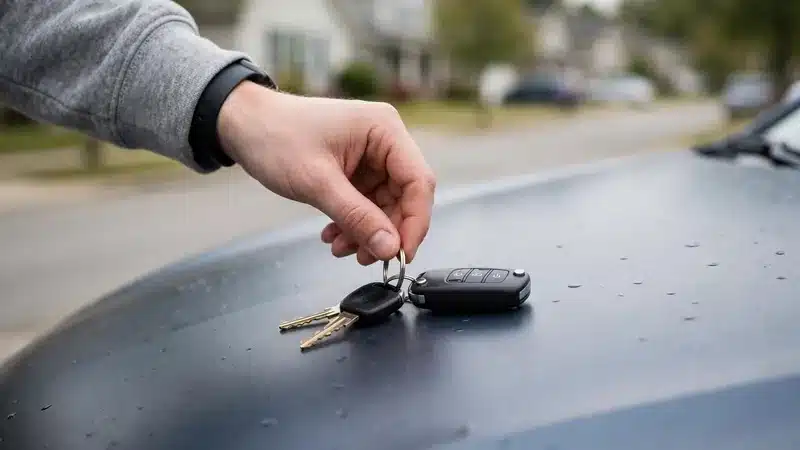
Permissive use means you gave someone — explicitly or implicitly — permission to drive your car. Saying “take my car to the store” is explicit permission; leaving your keys where your roommate always grabs them can count as implied permission. Either way, the borrower is generally covered under your policy.
Most policies extend the same coverage to a permissive user that they extend to you, including liability for injuries and damage they cause to others, and collision or comprehensive coverage for damage to your car if you carry those coverages.
Whose policy pays first
When a permitted borrower causes a crash, your policy is considered primary. That means it pays first, up to its limits. The borrower’s own auto policy — if they have one — is usually secondary or “excess,” kicking in only after your limits are exhausted.
This ordering surprises a lot of people. Even if the borrower carries generous coverage of their own, your policy takes the first hit. The claim lands on your policy and goes on your claims history.
When the Driver’s Own Insurance Comes Into Play
The borrower’s own policy is not irrelevant. It can matter in several ways:
- Excess coverage: If the damages exceed your policy limits, the borrower’s liability coverage can cover the remainder. For example, if your policy pays its limit and bills remain, the borrower’s policy may pick up the rest up to their own limits.
- Coverage you don’t carry: If you carry liability only and the borrower damages your car, your policy won’t fix your car — but the borrower’s collision coverage, if they have it, might. (Don’t count on this; check both policies.)
- Non-owner policies: Drivers who don’t own a car sometimes carry non-owner liability policies. Their non-owner policy can serve as the secondary layer — and occasionally as primary coverage when your policy doesn’t apply.
- Medical payments and uninsured motorist coverage: Depending on the state and the policy, the borrower’s own coverages for their injuries may apply alongside or after yours.
The practical point: the two policies stack. Yours answers first; theirs can help with what yours doesn’t cover. If someone borrows your car regularly, consider being added to someone else’s car insurance policy instead.
Exceptions: When Coverage May Not Follow the Car
The “insurance follows the car” rule has real exceptions. In these situations your policy may pay little or nothing:
- Excluded drivers: If you formally excluded someone from your policy (common for a household member with a bad driving record), your policy generally will not cover them at all, even with your permission. This is the most absolute exception.
- Unlisted regular drivers: Someone who lives with you and drives your car regularly — a spouse, teen driver, or roommate — usually must be listed on your policy. If they aren’t, your insurer may deny a claim involving them.
- No permission: If someone takes your car without your knowledge or against your wishes, they are not a permissive user. Your policy typically won’t be the primary coverage for their driving, though you should still notify your insurer and the police.
- Commercial use: If the borrower uses your personal car for business purposes your policy doesn’t cover — like delivering goods or driving for a ride-hailing service — a claim can be denied. Personal auto policies generally exclude commercial activity.
- Intentional acts: Insurance doesn’t cover damage someone causes on purpose. If a borrower intentionally wrecks your car, don’t expect your collision coverage to respond.
- Unlicensed drivers: Lending your car to someone without a valid license is asking for a denied claim in many situations, and it can create legal trouble for you too. Don’t do it.
Because the details vary by state and by policy language, review your policy’s exclusions and ask your insurer directly if you’re unsure about a specific person or use.
What Happens If a Borrower Crashes Your Car
When a permitted borrower causes an accident in your car, this is the sequence that typically follows:
- The claim is filed on your policy. You (or the borrower) report the accident to your insurer. Your liability coverage handles claims from the other driver; your collision coverage handles repairs to your car if you carry it.
- You pay the deductible. Your collision deductible applies to your car’s repairs, just as if you’d been driving. You can ask the borrower to reimburse you, but the insurer collects it from you.
- The borrower’s policy may contribute. If costs exceed your limits, the borrower’s own liability coverage can act as excess coverage. Your insurer and theirs sort out the order.
- Your rates may rise. The accident becomes part of your policy’s claims history. Many insurers raise premiums after an at-fault claim regardless of who was driving, since the risk is attached to your car and your policy.
If the other driver was at fault, the picture changes: their liability insurance should pay, and you can file a claim with another driver’s insurance whether you or a borrower was behind your wheel.
Who Pays? Common Scenarios
The table below summarizes which policy typically pays first in everyday situations. Your state and policy language can change the outcome, so treat this as a starting point, not a ruling.
| Scenario | Whose insurance pays first |
|---|---|
| Friend borrows your car with permission and causes a crash | Your policy (primary); borrower’s policy may pay excess |
| Spouse who is listed on your policy crashes your car | Your policy |
| Someone takes your car without permission and crashes | The driver’s own policy, if they have one; yours generally not primary |
| An excluded driver crashes your car | Neither — your policy excludes them; the driver may be personally liable |
| Borrower uses your car for paid deliveries and crashes | Likely neither — commercial use may void your personal coverage |
| Another driver hits your borrowed car (borrower not at fault) | The at-fault driver’s policy |
How to Protect Yourself When Lending Your Car
Lending your car is sometimes unavoidable. These steps reduce the risk:
- Know the driver. Only lend to licensed drivers you trust. A quick check that their license is valid takes seconds.
- Confirm your coverage. Before handing over the keys regularly, call your insurer and ask how permissive use works under your policy and whether the borrower needs to be listed.
- List regular drivers. If someone drives your car often, add them to your policy. Our guide to lending your car to a friend or family member covers when listing becomes necessary.
- Keep your limits adequate. Since your policy pays first, make sure your liability limits reflect what you could actually owe.
- Get it in writing for long loans. If someone borrows your car for weeks, document the arrangement and tell your insurer.
Frequently Asked Questions
Does my car insurance cover someone else driving my car?
In most cases, yes. If you give someone permission to drive your car, your policy usually covers them as a permissive user, and your insurance pays first for damage or injuries they cause. This is because car insurance follows the car, not the driver.
What happens if the person borrowing my car has their own insurance?
Your policy is still usually primary, meaning it pays first up to its limits. The borrower's own policy may act as secondary coverage and kick in if your limits are exceeded. If you have no applicable coverage, the borrower's policy may become the primary one.
Am I liable if someone crashes my car without my permission?
If you did not give permission and did not know the person was driving your car, your policy generally is not the primary source of coverage for their driving. The unauthorized driver's own policy may apply. Rules differ by state, so check with your state's insurance department or your policy documents.
Will a claim from a borrower raise my insurance rates?
Possibly. A claim filed on your policy is usually attached to your policy and your claims history, even when a borrower was driving. That can lead to higher premiums at renewal. This is one reason many owners think twice before handing over the keys.
What to Do Next
Now that you know insurance follows the car, review your policy’s permissive-use and exclusion language — especially if friends or family borrow your car. If someone drives it regularly, adding them to your policy is cheaper than a denied claim. Start with our overview of car insurance requirements in every state, then read the guide on being added to someone else’s car insurance policy.
This article is for general educational purposes only and is not insurance, legal, or financial advice. Coverage rules and rates vary by state and insurer.