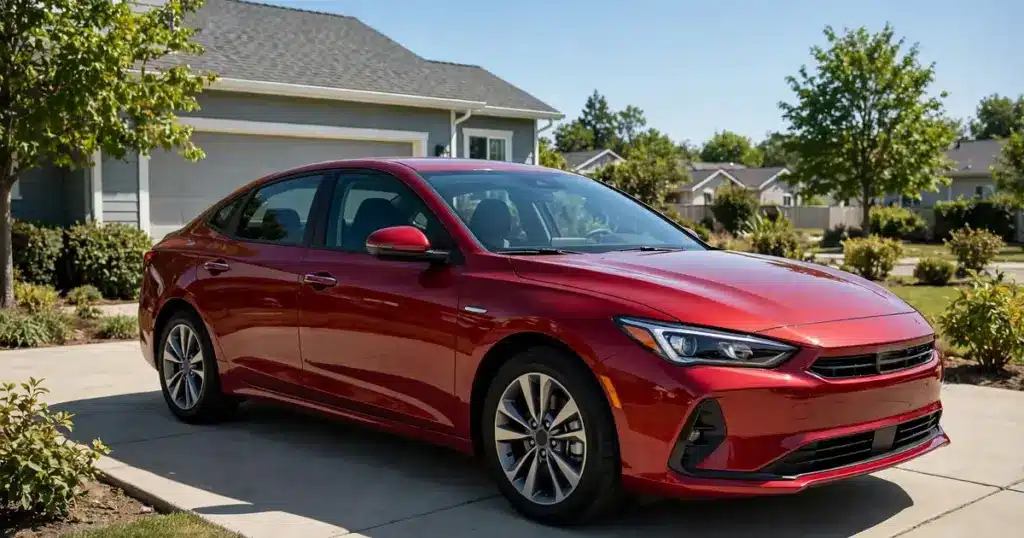
Car insurance myths get repeated so often that many drivers treat them as facts. Here is the truth about the most common car insurance myths: your car’s color does not affect your premium, the policy generally follows the car rather than the driver, and minimum coverage is only the legal floor — not real protection. Read on to separate fact from fiction before your next renewal.
Myth 1: Red Cars Cost More to Insure
The myth: choosing a red car — or any bold color — will raise your premium because it attracts police attention or signals aggressive driving.
The reality: insurers do not ask about your car’s color on an application, and color plays no role in how your rate is calculated. Your premium is based on the vehicle’s make, model, model year, body type, engine size, safety ratings, theft rates, and cost of repairs — plus your driving record, location, and coverage choices.
The confusion probably comes from red sports cars, which genuinely cost more to insure. But the price comes from the car being a high-performance sports car, not from the paint. A red minivan and a silver minivan of the same model cost the same to insure. If you want the full breakdown, see our guide on whether car color affects insurance rates.
Myth 2: Car Insurance Follows the Driver
The myth: your insurance travels with you, so you are covered the same way no matter whose car you are driving.
The reality: in most states, the insurance follows the car first. When you lend your car to someone with permission, your policy is usually the primary coverage if they crash. The borrower’s own policy may kick in as secondary coverage if the damages exceed your limits.
This is why lending your car to an unlicensed or high-risk driver is risky: a claim lands on your policy and your record. Regular drivers of your car — a spouse, a roommate, a teen with a license — generally need to be listed on your policy. Our explainer on whether car insurance follows the car or the driver covers the exceptions in detail.
Myth 3: Minimum Coverage Is All You Ever Need
The myth: if you carry your state’s required minimum liability limits, you are fully covered.
The reality: minimum coverage keeps you legal — nothing more. A serious crash can produce medical bills and repair costs far above state minimums, and you are personally responsible for the difference. One multi-vehicle accident or one injured passenger can exhaust a minimum-limit policy fast.
Think of the minimum as the floor, not the target. Many drivers carry higher liability limits, plus uninsured/underinsured motorist coverage, because the extra protection costs far less than the risk it removes. Start by learning whether car insurance is required in every state, then weigh how much protection your assets actually need.

Myth 4: Any Claim Will Raise Your Rates
The myth: filing a claim, for any reason, automatically means higher premiums at renewal.
The reality: not all claims are treated equally. Claims where you were not at fault — a hit-and-run while parked, storm damage, a windshield cracked by road debris — often do not affect your rates. What tends to raise premiums is an at-fault accident, especially one involving injuries, or a pattern of frequent claims.
Some policies also include accident forgiveness, which can keep your first at-fault accident from raising your rate. For minor damage, compare the repair cost against your deductible before filing: paying a small fender-bender out of pocket sometimes beats a claim on your record.
Myth 5: Your Credit Score Doesn’t Affect Your Premium
The myth: your credit history has nothing to do with car insurance — insurers only look at your driving.
The reality: in most states, insurers are allowed to use a credit-based insurance score as one of many rating factors, alongside your driving record, age, location, and vehicle. Insurers argue it helps predict claim likelihood; consumer advocates dispute the fairness of it.
The rules are not the same everywhere. A few states restrict or ban the use of credit information in auto insurance pricing, and rules can change. Check with your state’s insurance department to learn what applies where you live. The Insurance Information Institute also publishes consumer explainers on how auto premiums are set.
Myth 6: An Old Car Doesn’t Need Insurance
The myth: a car that is barely worth anything doesn’t need to be insured.
The reality: liability coverage is legally required regardless of your car’s age or value — driving without insurance is illegal in nearly every state. Your car’s low value changes nothing about the damage you could cause to other people and their property.
What can change with an older car is collision and comprehensive coverage. If you own the car outright, dropping those optional coverages can make sense once the annual premiums approach the car’s actual cash value. But liability stays mandatory, old car or not.
Myth 7: You’re Automatically Covered in a Friend’s Car
The myth: any licensed driver is automatically covered driving anyone’s car.
The reality: the car owner’s policy usually covers occasional drivers who borrow the car with permission — but exclusions apply. Named exclusions, unlisted members of the owner’s household, and business use of a personal vehicle are common carve-outs that can leave you unprotected.
The line that matters is occasional versus regular. Borrowing a friend’s car for a weekend trip is typically fine under permissive use. Driving someone’s car every day without being listed on their policy is not — the insurer can deny a claim if a regular driver was never disclosed.
Car Insurance Myths at a Glance
| Myth | The Reality |
|---|---|
| Red cars cost more to insure | Color is never a rating factor; make, model, and safety record are |
| Insurance follows the driver | The car’s policy is usually primary for permissive use |
| Minimum coverage is enough | Minimums are the legal floor, not adequate protection for most drivers |
| Any claim raises your rates | Not-at-fault claims often don’t; at-fault accidents and frequent claims do |
| Credit score doesn’t matter | Most states allow a credit-based insurance score as one rating factor |
| Old cars don’t need insurance | Liability coverage is mandatory regardless of the car’s value |
| You’re covered in any borrowed car | Permissive use is usually covered, but exclusions and regular-use rules apply |
Frequently Asked Questions
Do red cars really cost more to insure?
No. Insurers do not consider your car’s color when setting premiums. Rates are based on the vehicle’s make, model, year, safety ratings, repair costs, and theft rates, along with your driving record and location. A red sedan costs the same to insure as the identical sedan in any other color.
Does car insurance follow the car or the driver?
Generally, it follows the car. When someone borrows your vehicle with permission, your policy is usually the primary coverage in a crash, and the borrower’s own policy may provide secondary coverage if your limits are exceeded. Regular drivers of the car should be listed on the policy.
Will filing a not-at-fault claim raise my rates?
Usually not. Claims where another driver was at fault, or damage from weather, theft, or vandalism, typically do not raise your premium. At-fault accidents and a pattern of frequent claims are what most often lead to higher rates at renewal.
Is the minimum required car insurance enough protection?
It satisfies the law, but it may not protect your finances. Serious crashes can produce costs far above state minimum limits, leaving you personally liable for the rest. Many drivers carry higher liability limits and uninsured/underinsured motorist coverage for that reason.
What to Do Next
Pull out your declarations page — the summary of your current coverage — and check your liability limits against what you just learned. If you are carrying bare minimums, get quotes for higher limits so you can see what real protection costs. And if you are unsure what car insurance actually covers, read that guide before your next renewal so every dollar you spend is buying coverage you understand.
This article is for general educational purposes only and is not insurance, legal, or financial advice. Coverage rules and rates vary by state and insurer.