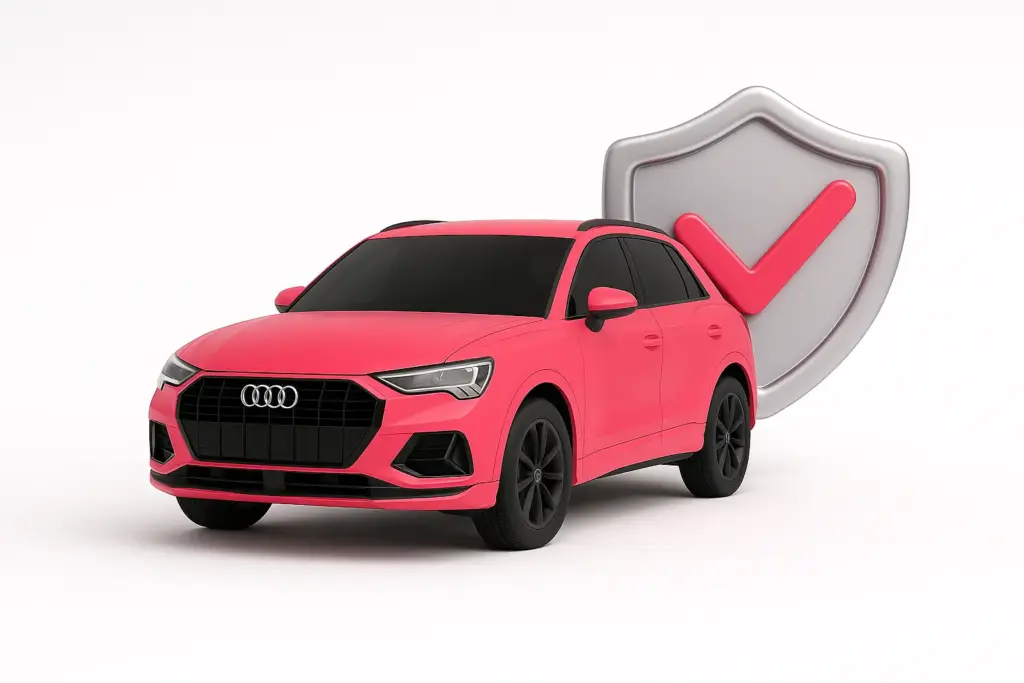
When you lease a car, you’ll likely be required to carry full coverage insurance, which costs $160 to $200 per month on average.
When you lease a car, your lessor will likely require you to maintain full coverage car insurance, which includes liability insurance plus comprehensive and collision coverage. Some will further require a type of coverage called “gap insurance.” A full coverage policy costs an average of $160 to $200 a month, though it varies depending on the car you drive, your personal driving history, where you live and more.
What kind of insurance do you need for a leased car?
State-mandated minimum car insurance requirements
In almost every state, you must carry a car insurance policy meeting that state’s specific minimum liability requirements. Liability insurance always includes the following types of coverage:
- Bodily injury (BI): In most states, the at-fault driver’s bodily injury liability covers the victim’s medical bills, lost wages and other injury-related expenses stemming from an accident.
- Property damage (PD): Covers the costs of repairing vehicles and property damaged by the at-fault driver.
The average cost of car insurance for liability coverage is an average of $50 to $90 a month. However, you may find that your policy costs differ significantly depending on the coverage requirements in your state.
Some states have additional car insurance requirements, including:
- Personal injury protection (PIP): Covers expenses related to injuries that you or your passengers sustained in an accident.
- Uninsured motorist coverage and/or underinsured motorist coverage (UM/UIM): Covers your expenses after getting into an accident with an uninsured or underinsured driver.
- Medical Payments coverage (MedPay): Covers the cost of ongoing medical expenses regardless of fault, including hospitalization fees and funeral expenses for yourself and/or your passengers.
Keep in mind that the minimum car insurance required in your state often isn’t enough to cover damages after an accident.
Full coverage
Do you need full coverage on a leased vehicle? Typically, yes.
If you have a loan or lease on your vehicle, the lender will require full coverage. You may also need gap insurance, which can help you pay off your loan if your car is totaled.
In addition to the minimum liability insurance required by your state, most car lease agreements will require you to purchase full coverage insurance to cover damage to the vehicle in case of an accident. A policy that includes liability insurance plus full coverage costs an average of $160 to $200 a month.
Full coverage insurance for a leased car includes two types of physical damage protection: collision insurance and comprehensive insurance.
- Collision coverage pays for any damages to your vehicle that result from a collision, whether with another car or a stationary object. This also includes hit-and-runs and rollovers.
- Comprehensive coverage pays for damages to your vehicle that result from something other than a collision, such as vandalism, a natural disaster or theft.
This additional insurance is a good idea for most drivers, especially those with newer cars — so consider adding it to your policy even if full coverage isn’t listed in your coverage requirements.
According to Jerry data here are the average monthly cost of full coverage with some of the nation’s top insurance providers.
Gap insurance
Is gap insurance needed for leased vehicles? The short answer is sometimes. If you total your car and owe more on the lease than it’s worth, gap insurance will help cover the difference between your loan amount and the actual cash value of your vehicle.
You can typically purchase gap insurance from either your leasing company or your auto insurance provider.
Gap insurance usually costs more from a dealership than from an insurance company, so get quotes from a few of the best car insurance companies before accepting your lessor’s offer.
Is it more expensive to insure a leased car?
Yes, leasing car insurance is more expensive on average because lenders tend to require additional types of insurance and protection for the lease term.
However, the final cost of your auto insurance policy depends on a lot of factors. For instance, your lessor might require insurance with high coverage limits, making your policy more expensive — or you may qualify for lower rates based on your age, where you live or your eligibility for car insurance discounts.
How to find cheap car insurance for leased cars
With so many types of coverage to buy, it may feel impossible to find affordable auto insurance for a leased vehicle. Here are a few things you can do to lower your rates.
- Raise your deductible: The higher your deductible, the cheaper your monthly car insurance rates will be. However, leasing companies may set a maximum deductible, so be mindful of these requirements. Also, be sure you would be comfortable paying your deductible quickly if you needed to.
- Look for discounts: Most insurance providers offer discounts of one kind or another. The most common discounts include those for good students, safe drivers, telematics and home and auto insurance bundles. Ask your agent if there are any discounts available to you.
- Shop around: Before you settle on a provider, compare quotes from at least three insurance companies.
FAQ
- What’s the difference between lease car insurance and owner car insurance?
- Does Progressive offer gap insurance?
- Is insurance cheaper on a lease?
- Is there special insurance for leased vehicles?