Does car insurance cover theft? Yes — but only if your policy includes comprehensive coverage. Liability insurance alone will not pay for a stolen car, so drivers without comprehensive are on their own. Understanding how a theft claim works before anything happens helps you get paid faster and avoid surprises.
The Short Answer: Comprehensive Covers Theft
Does car insurance cover theft? Yes, when your policy includes comprehensive coverage. Comprehensive is the part of a car insurance policy that handles loss or damage to your vehicle from events other than a collision — and theft is one of the main events it covers. If your car is stolen from your driveway, a parking lot, or the street, comprehensive is what pays.
What comprehensive does not do is cover theft of you being at fault. It only protects your own vehicle. And if you carry only state-minimum liability insurance — a choice some owners of older cars make — a stolen car is a total personal loss. Liability pays for damage you cause to others, never for your own car.
Comprehensive is optional in most states unless a lender or leasing company requires it. If you are unsure whether your policy includes it, check your declarations page or ask your agent before you need it.
What a Theft Claim Actually Covers
A theft claim can play out in a few different ways, and what your insurer pays depends on which one happens. Walk through the three common scenarios below.
If your car is never recovered
When a stolen car is not found within a reasonable waiting period — insurers often wait around 30 days, though policies differ — the claim is treated as a total loss. The insurer pays the car’s actual cash value (ACV) at the time it was stolen, minus your comprehensive deductible. ACV is the car’s market value the day it disappeared, factoring in age, mileage, condition, and comparable sales. It is not the price you originally paid.
If you still owe money on a loan or lease, the insurer’s check goes to the lender first. If the payout is less than what you owe, you are responsible for the difference unless you carry gap coverage. That gap between ACV and loan balance is exactly the situation where gap coverage pays for itself.
If your car is recovered with damage
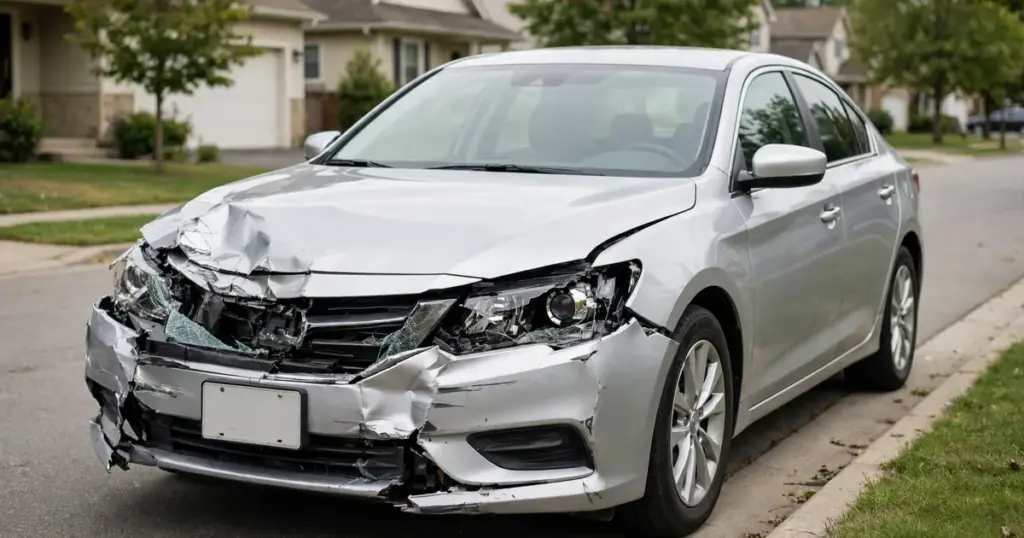
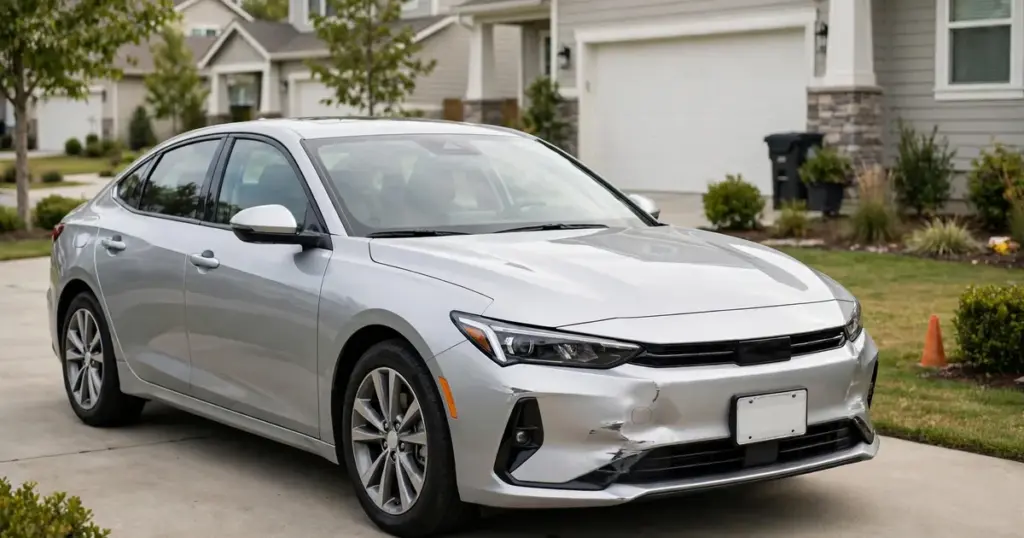
Stolen cars are sometimes recovered days or weeks later with damage: smashed windows, a punched ignition, torn interior panels, spray-painted bodywork. Comprehensive covers the repairs to return the car to its pre-theft condition, minus your deductible. It also covers stolen parts — catalytic converters, wheels, and airbags are common targets — and document everything with photos, since repairs are approved based on an adjuster’s inspection.
What Theft Coverage Does Not Cover
There are real limits to theft protection, and knowing them now prevents arguments later:
- Personal belongings inside the car. A laptop, tools, sports gear, or a purse stolen from your car are generally not covered by auto insurance. Those items typically fall under a renters or homeowners policy, subject to that policy’s deductible.
- Intentional acts. Staged theft or fraud is excluded, and filing a false theft claim is a crime with serious consequences.
- Wear, mechanical failure, or neglect. If the recovered car also has pre-existing mechanical problems, those are not part of the theft claim.
- Rental car costs. A standard policy does not automatically pay for a rental while your stolen car is missing — you need rental reimbursement coverage added for that.
The table below summarizes how common situations are handled:
| Situation | Covered? | Which coverage |
|---|---|---|
| Entire car stolen, never recovered | Yes | Comprehensive (pays ACV minus deductible) |
| Car recovered with broken windows and ignition damage | Yes | Comprehensive (repairs minus deductible) |
| Catalytic converter or wheels stolen | Yes | Comprehensive (replacement minus deductible) |
| Laptop and gym bag stolen from the trunk | No | Renters/homeowners policy instead |
| Car stolen while used for an excluded commercial purpose | Maybe not | Depends on policy terms — ask your insurer |
Filing a Theft Claim, Step by Step
Act in this order as soon as you realize the car is gone:
- Confirm it is actually stolen. Check with family members, confirm it was not towed (call the local non-emergency line or your city’s impound lot), and retrace your parking spot.
- Call the police immediately. File a theft report with the VIN, license plate, make, model, color, and any distinguishing features. Get the report number — your insurer will ask for it.
- Call your insurer. Report the theft the same day. You will provide the police report number, your policy details, and a description of the car’s condition and mileage at the time of loss.
- Document what you can. Photos of where the car was parked, the remaining keys and remotes, and a list of aftermarket parts or upgrades you added. All of this helps the adjuster value the car.
- Cooperate with the adjuster and the waiting period. The insurer will verify coverage, check for fraud red flags, and explain the timeline. If the car is recovered, they will direct you to an approved shop or let you choose your own.
For the full claim process from first call to final payment, read our guide to how to file a car insurance claim, which walks through each stage in detail.
Deductibles and Payouts on Theft Claims
Your comprehensive deductible is subtracted from every theft payout. If your deductible is $500 and the car’s ACV is $18,000, you receive $17,000. If the stolen part costs less to replace than your deductible — say a $400 side mirror with a $500 deductible — filing the claim buys you nothing, and you are better off paying out of pocket.
How the insurer arrives at ACV can feel opaque, so ask the adjuster which comparable vehicles they used. If their number seems low, you can provide your own evidence: listings for similar cars in your area, receipts for recent major repairs or new tires, and documentation of optional equipment. Insurers can adjust the valuation when presented with solid data.
When a car is financed, the insurer sends the check to the lender first; you receive whatever remains after the loan balance is satisfied.
How a Theft Claim Affects Your Premium
A single comprehensive claim for theft usually has a smaller effect on your premium than an at-fault collision claim, because insurers treat theft as outside your control. That said, rates are set by state rules and each company’s own pricing, so no one can promise your rate will stay flat. Some drivers see no change at all after a theft claim; others see a modest increase at renewal.
Where you keep the car also matters. If your ZIP code has high theft rates, your comprehensive premium may already reflect that. Parking in a garage, installing an alarm or tracking device, and keeping the car off the street overnight are practical steps that reduce theft risk and can earn an anti-theft discount with some insurers.
Ways to Reduce Your Theft Risk
A few habits make a real difference:
- Lock up, every time. A car with doors left unlocked is the easiest target. Roll windows up and take the keys — even for quick stops.
- Hide valuables and bags. Visible items invite break-ins. A bare cabin and an empty trunk remove the temptation.
- Park smart. Well-lit areas, garages, and driveways close to the house beat dark side streets.
- Use anti-theft devices. Alarms, steering-wheel locks, kill switches, and GPS trackers deter thieves and help recovery. Some insurers offer discounts for verified devices.
- Keep good records. Store your VIN, a recent photo, and proof of aftermarket upgrades somewhere safe — if the car is stolen, you will hand all of it to the police and your insurer.
Frequently Asked Questions
Does car insurance cover theft of personal items inside the car?
Generally no. Auto policies cover the vehicle itself, not the belongings inside it. Items like laptops, tools, or bags stolen from your car are typically claimed under a renters or homeowners policy instead. Check both policies’ deductibles before deciding whether to file.
What happens to my loan or lease if my stolen car is never found?
The insurer pays the car’s actual cash value to your lender first. If that payment is less than your remaining loan balance, you owe the difference unless you have gap coverage. This is the main reason lenders require comprehensive coverage and often gap insurance on financed cars.
Do I need comprehensive coverage if my car is paid off?
It is optional once the loan is paid, but dropping it means you absorb the full loss if the car is stolen. Compare your car’s value against your premium and deductible: on an older, low-value car it may not be worth it, but on anything worth several thousand dollars, comprehensive is usually a sound buy.
Will a theft claim raise my insurance rates?
Possibly, but usually less than an at-fault accident claim. Theft is generally treated as a not-at-fault event, and many drivers see little or no increase. The exact effect depends on your state and your insurer’s pricing, so ask your agent how a comprehensive claim would be treated on your policy.
What to Do Next
If you are reading this before anything has happened, do a quick policy review: confirm you carry comprehensive coverage and note your deductible. For drivers dealing with a theft right now, file the police report first, then start the claim using our step-by-step guide to filing a car insurance claim.
To understand how comprehensive fits into your overall policy, see what full coverage car insurance covers. And if your situation involves another vehicle — for example a hit-and-run that left your car damaged — our guide to hit-and-run car insurance coverage explains which part of your policy responds.
This article is for general educational purposes only and is not insurance, legal, or financial advice. Coverage rules and rates vary by state and insurer.