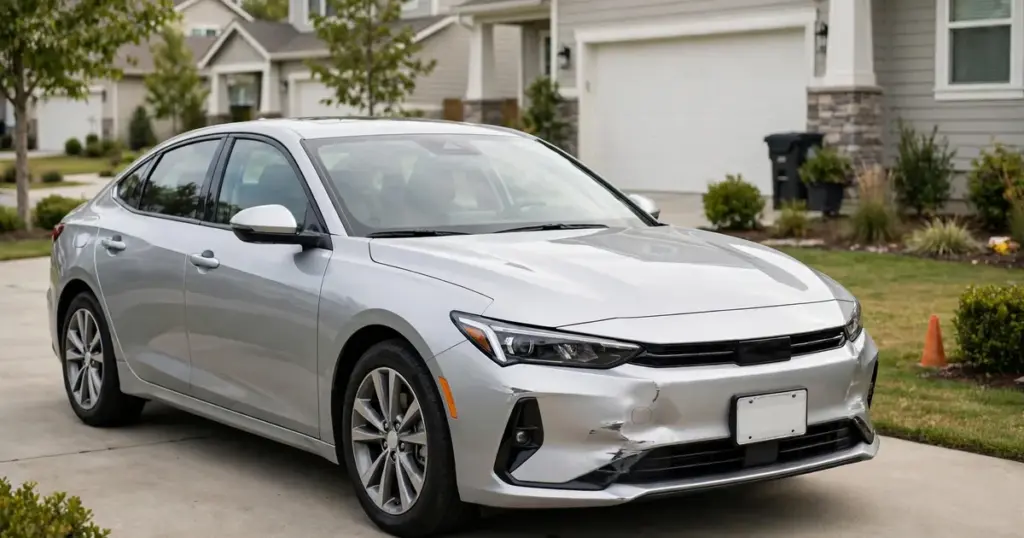
So, how long does a car insurance claim take? For a straightforward claim, many drivers get a decision within a few days to a couple of weeks. More complicated claims — involving injuries, disputes over who was at fault, or heavy vehicle damage — can stretch to a month or more, and claims that end up in court can take far longer.
There is no single timeline that fits every case. The speed of your claim depends on the type of damage, how quickly everyone responds, and the rules in your state. Below is a realistic look at what happens at each stage, what speeds things up, what slows things down, and what to do if your claim seems stuck.
Typical Timelines by Claim Type
Not all claims are equal. A chipped windshield and a multi-car injury crash go through very different processes. The table below gives rough, ballpark timelines — actual results vary widely by insurer, state, and the details of your case.
| Claim type | Rough timeline | Why it takes this long |
|---|---|---|
| Glass / windshield | 1–3 days | Simple repair or replacement, usually no investigation needed |
| Minor single-vehicle damage | 1–3 weeks | Inspection and estimate, then scheduling repairs |
| Standard collision claim | 2–6 weeks | Adjuster review, repair estimates, possible fault discussion |
| Claim with injuries | 2–6 months or more | Medical treatment must progress before a final settlement value can be set |
| Disputed or litigated claim | Many months to 1+ year | Lawyers, negotiations, or court proceedings add long delays |
Notice the pattern: the more people involved, the more damage, and the more disagreement, the longer everything takes. A claim where everyone agrees on what happened moves fast. A claim where fault is contested — or where someone is still in medical treatment — cannot be rushed without risking an unfair settlement.
The Stages of a Claim and How Long Each Takes

Every claim moves through roughly the same steps. Knowing what each one involves helps you see where your claim stands — and where the holdup might be.
1. Filing and first contact
This is the fastest stage and mostly in your control. After an accident, you contact your insurer (or the other driver’s insurer) and open a claim. Many insurers let you file by phone, app, or website in minutes, and you usually get a claim number and an assigned adjuster within a day or two. Filing sooner is always better: delays at the start can slow everything after. If you have not filed yet, our walkthrough of how to file a car insurance claim covers exactly what to say and what information to have ready.
2. Investigation and the adjuster’s review
Your adjuster gathers the facts: the police report, photos from the scene, statements from the drivers, and sometimes witness accounts. For a simple fender bender, this may take a few days. If fault is unclear or stories conflict, the investigation can take several weeks while the adjuster waits on reports and calls people back. Your job here is to respond promptly whenever the adjuster reaches out — unanswered calls are one of the most common causes of delay.
3. Damage estimate and repairs
Once the facts are in, the insurer estimates the damage — through an in-person inspection, an approved shop, or photos you upload via app. Repairs then depend on shop availability and parts, a common bottleneck for newer models or during busy seasons.
4. Settlement negotiation
For property damage, the insurer makes an offer based on the estimate or the car’s value if it is totaled. For injury claims, settlement waits until your medical picture is clearer — settling before treatment finishes can leave you paying future bills yourself. This stage involves back-and-forth: offers, counter-offers, and documentation of medical bills and lost wages. It is often the longest stage for injury claims.
5. Payment
After you accept a settlement, payment usually arrives quickly — often within days to a few weeks. Payment for vehicle repairs may go directly to the shop, while injury settlements typically come as a check or electronic payment to you (and your medical providers, if liens exist). If you are wondering whether a small claim is even worth filing, see our guide on whether to make a small claim or pay out of pocket.
What Speeds Up (or Slows Down) Your Claim
Some delays are out of your hands, but many are not. Here are the factors that matter most.
- How fast you file. Reporting the accident right away starts the clock sooner and keeps evidence fresh. See what to do after a car accident for the first steps at the scene.
- Documentation quality. Clear photos of the damage and the scene, a police report, and organized receipts let the adjuster work without waiting on missing pieces.
- Your responsiveness. Answering the adjuster’s calls and emails quickly keeps your file moving. An adjuster juggling dozens of claims will naturally prioritize the files that do not stall.
- Whether fault is disputed. Agreement on who caused the crash keeps things moving; disagreement triggers deeper investigation.
- Injuries. Bodily injury claims take longer by nature, since fair settlement depends on knowing the full extent of medical costs.
- Repair shop and parts availability. Backlogged shops and hard-to-find parts delay the repair stage regardless of the insurer.
- The other driver’s cooperation. If you filed against the other driver’s policy, their responsiveness — or lack of it — affects your timeline. For claims against another driver, our guide to filing a claim with another driver’s insurance explains how that process works.
State Rules on How Fast Insurers Must Act
Insurers cannot simply sit on your claim forever. Most states have rules — often called prompt-payment or claims-handling laws — that set deadlines for key steps: acknowledging your claim, completing the investigation, and paying once a settlement is reached. The exact deadlines differ by state, and some states allow interest on late payments.
Because the specifics depend on state law, check your own state’s requirements through your state insurance department if you suspect your insurer is dragging its feet.
What to Do If Your Claim Is Taking Too Long
First, check whether the delay has a reasonable cause. If you are still in medical treatment, or the repair shop is waiting on a backordered part, the timeline may be normal. But if weeks pass with no updates, take these steps in order:
- Call your adjuster directly. Ask for a specific status update and a timeline for the next step. Get the name of the person you spoke with and note the date.
- Escalate inside the company. If your adjuster is unresponsive, ask for their supervisor or the claims manager.
- Put it in writing. A polite written summary of the timeline — when you filed, what you were promised, what has not happened — creates a paper trail.
- File a complaint with your state insurance department. Regulators take delayed claims seriously, and a complaint often gets a stalled file moving.
- Consider your dispute options. If the issue is a low offer or a denied claim rather than pure delay, our guide to disputing a car insurance claim decision walks through appraisals, complaints, and other remedies.
Frequently Asked Questions
How long does an insurance company have to pay a claim?
It depends on your state. Most states have prompt-payment laws that require insurers to pay within a set period after a settlement is agreed — often measured in weeks, not months. If you think your payment is overdue, check your state’s rules through your state insurance department and consider filing a complaint.
Can a car insurance claim take a year?
It is uncommon but possible. Claims that involve serious injuries, disputed fault, or lawsuits can stretch past a year, mostly because medical treatment takes time and court schedules move slowly. Straightforward property-damage claims rarely take that long.
Will a slow claim reduce my payout?
No. The timeline itself does not change what you are owed — your settlement is based on the damage, medical costs, and policy terms, not on how long the process took. In some states, an unreasonably late payment can even entitle you to interest on top of the settlement.
What if the other driver’s insurance company is delaying my claim?
You are not powerless. You can file the claim through your own collision coverage instead (your insurer then seeks reimbursement from the other company), keep a written record of every delay, and complain to your state insurance department if the other insurer ignores state deadlines. If the other driver was uninsured, your own uninsured motorist coverage may apply.
How soon after an accident should I file a claim?
As soon as you reasonably can — ideally within a day or two. Your policy may set a deadline for reporting, and waiting too long can give the insurer grounds to question or even deny the claim. Early filing also means fresher evidence and a faster start to the whole process.
What to Do Next
If you are mid-claim right now, the single best move is to stay in regular contact with your adjuster and keep copies of everything — photos, estimates, medical bills, and every message. If you have not filed yet, start with our step-by-step guide to filing a car insurance claim so your claim starts clean. And if the offer comes back too low or the claim is denied, read how to dispute a car insurance claim decision before you accept anything you are unsure about.
This article is for general educational purposes only and is not insurance, legal, or financial advice. Coverage rules and rates vary by state and insurer.