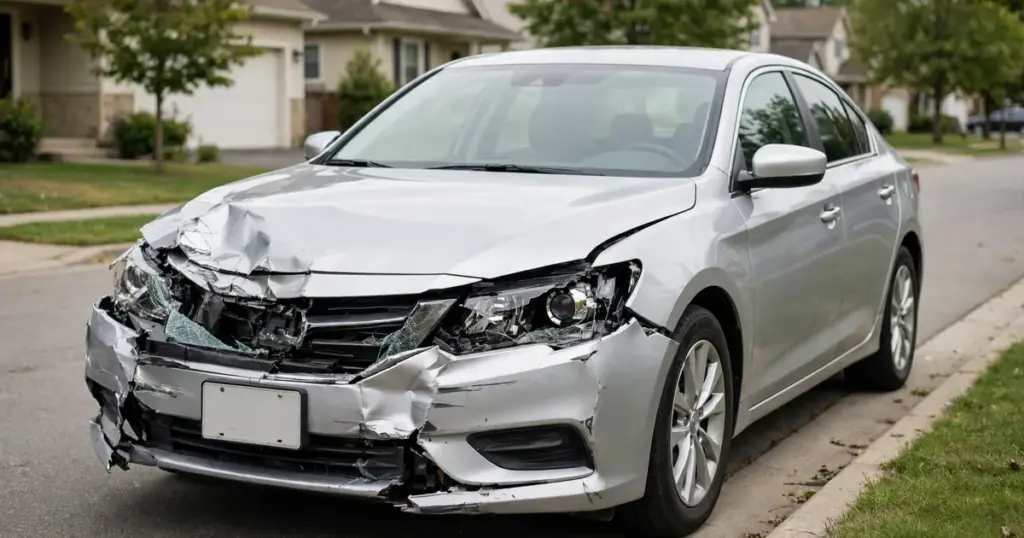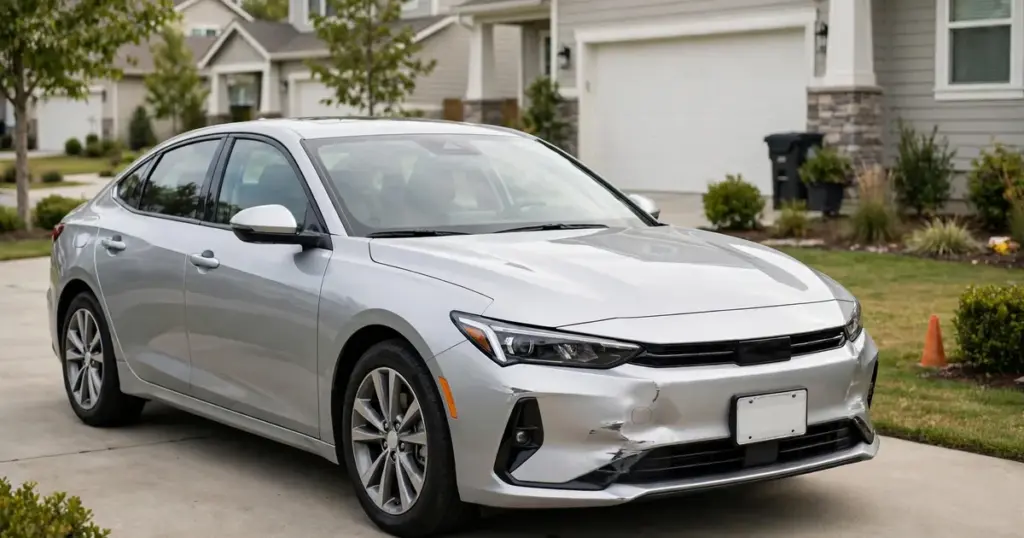
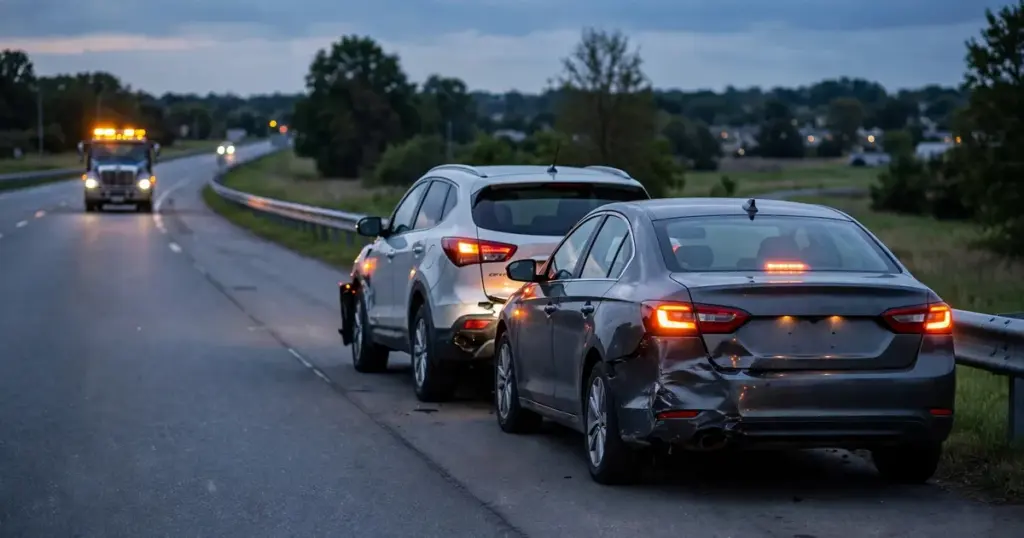
Right after a car accident, check everyone for injuries, call 911 if anyone is hurt, move to a safe spot if you can, and turn on your hazard lights. Then exchange information with the other driver, document the scene with photos, and report the crash to your insurer. Knowing what to do after a car accident ahead of time keeps you calm and protects both your health and your insurance claim.
This guide covers the first minutes at the scene, what to say and not say, when to call the police, how to document everything, and what to do once you leave.
The First 10 Minutes: Your Immediate Checklist
Accidents are disorienting, so having a mental checklist helps. Work through these in order:
- Check yourself and your passengers. Before anything else, make sure everyone in your car is okay. Do not move anyone who seems seriously hurt unless they are in immediate danger.
- Call 911. If there are injuries, request an ambulance. Even without injuries, a police response is wise when damage is significant or traffic is blocked.
- Get to safety. If the cars are drivable and it is safe, move them to the shoulder or a nearby parking lot. If not, stay in the car with seatbelts on until help arrives — or stand well away from traffic if the car is unsafe.
- Turn on hazard lights and, if you have them, set out warning triangles or flares to alert other drivers.
- Stay calm and stay put. Never leave the scene of an accident, even a minor one. Leaving can be treated as a hit-and-run in many states, with serious legal consequences.
If Someone Is Injured
Injuries change everything about how you handle the scene. Call 911 immediately and describe the injuries as best you can. Do not try to move an injured person unless there is a fire or another immediate danger — moving them the wrong way can make things worse.
Offer reasonable help, such as calling for assistance and keeping the person comfortable, but avoid making medical judgments. If you feel hurt yourself, say so to the responding officers and get checked by medical professionals the same day. Adrenaline can mask pain, and some injuries — especially to the neck, back, and head — show up hours later. A prompt medical record also connects any injury to the crash, which matters for an injury claim.
Document Everything at the Scene
Your memory of the crash will fade faster than you expect, and details become harder to verify once cars are towed and roads are cleared. Use your phone to capture:
- All vehicles involved, from multiple angles, including license plates
- Close-ups of the damage on every car
- The wider scene: road layout, traffic signs and signals, skid marks, debris
- Weather and road conditions at the time
- Any visible injuries
- The other driver’s license, insurance card, and license plate (photograph them)
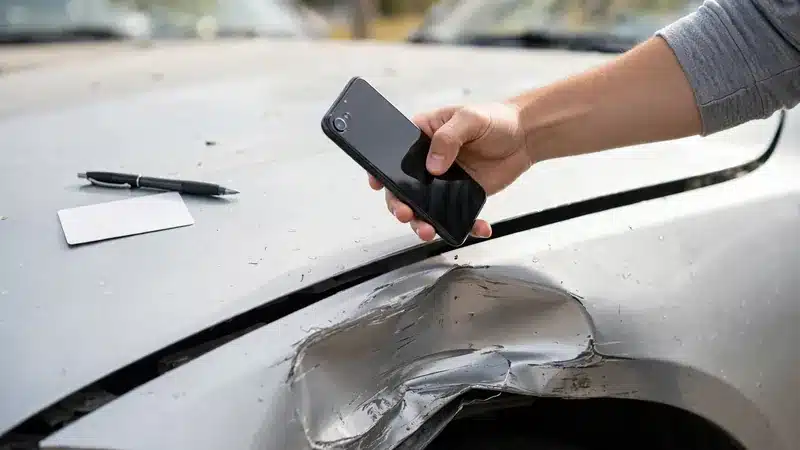
Also write down — or record a voice note of — the time, exact location, direction each car was traveling, and a short account of what happened in your own words. If there are witnesses, ask for their names and phone numbers before they leave; their account can settle disputes about fault later.
What to Exchange (and What Not to Say)
Exchange the following with every driver involved: full name, phone number, address, insurance company name and policy number, driver’s license number, and vehicle make, model, color, and plate number.
Just as important is what not to say. Do not apologize, do not say “it was my fault,” and do not get drawn into an argument about who caused the crash. Even a polite “I’m sorry” can be interpreted as an admission of fault. Keep the conversation factual and brief: exchange information, ask if everyone is okay, and let the police and the insurers sort out fault. Fault rules vary by state, and the determination is made during the claims process — not at the roadside.
Be honest with the responding officer and with your insurer later, but never guess. If you are unsure about a detail, say so rather than speculating.
When to Call the Police and File a Report
Call the police when:
- Anyone is injured or possibly injured
- The vehicles cannot be moved safely
- Damage looks significant
- The other driver seems impaired, unlicensed, or uninsured
- The other driver refuses to share information or leaves the scene
- You suspect a staged or fraudulent crash
The officer will create a report with the facts, statements, and often a preliminary view of fault. Get the report number and the officer’s name or badge number before they leave. If police do not come to the scene — which happens with minor crashes in some areas — you can usually file a report yourself at the station or online within a day or two. Check the rules in your state, since some states require reports for crashes above a certain damage level.
How Your Response Changes by Situation
Not every crash looks the same. The table below shows how to adjust your response.
| Situation | Key difference | What to do |
|---|---|---|
| Minor fender bender, no injuries | Police may not respond | Move cars off the road, exchange information, take photos, and file a report yourself if your state requires one. For small dents, decide whether it is worth filing a small claim or paying out of pocket. |
| Serious crash with injuries | Medical help comes first | Call 911, do not move injured people, and let police and paramedics take charge. Get medical care the same day even if you feel fine. |
| The other driver flees | No information exchange | Note everything you can — plate, car description, direction of travel — and call the police immediately. Then read our guide on hit-and-run insurance coverage. |
| Single-car accident (you hit an object) | No other driver involved | Document the scene the same way, and consider whether a police report is needed. Your collision coverage handles the damage, minus your deductible. |
| At-fault driver has no insurance | Recovery is harder | Gather their details anyway and file a police report. Your uninsured motorist coverage may apply — see what to do when the at-fault driver has no insurance. |
Notify Your Insurer and Start the Claim
Once the scene is handled, contact your insurance company — ideally the same day. Most insurers accept claims by phone, app, or website. Have your policy number ready, give the facts, and note the claim number you receive.
Your insurer will assign a claims adjuster who reviews the evidence, inspects the damage, and determines what the policy covers. Stick to the facts in every conversation, keep copies of everything you send, and write down the date, name, and summary of each call. For the full process from first call to payout, follow our guide on how to file a car insurance claim step by step.
If the crash was minor, pause before filing: a small claim can still show up on your claims history. Our guide on whether to file a small claim or pay out of pocket walks through that decision.
Frequently Asked Questions
Should I move my car after an accident?
If the car is drivable and it is safe to do so, move it out of traffic to the shoulder or a nearby lot — but take photos of the original positions first if you can do so quickly and safely. If the car cannot be driven or anyone is seriously hurt, leave it where it is and wait for help.
What should I never say after a car accident?
Never admit fault, apologize in a way that implies fault, or argue about who caused the crash. Keep the conversation factual: exchange information, confirm everyone is okay, and let the police and insurers determine fault based on the evidence.
Do I need a police report for a minor accident?
Not always, but it helps. Some states require a report when damage or injuries pass a certain level, and insurers often ask for one. If police do not come to the scene, you can usually file a report yourself at the station or online. When in doubt, file one.
How soon should I contact my insurance company?
As soon as practical — ideally the same day. Policies expect prompt notice, and delays can complicate your claim. Even if you are unsure whether you will file, giving your insurer a heads-up preserves your options.
What if I feel fine but get sore the next day?
See a doctor promptly. Delayed pain is common after crashes, especially in the neck and back. Getting checked creates a medical record linking the injury to the accident, which matters if you need treatment later or file an injury claim.
What to Do Next
If you are reading this right after a crash, work the checklist above, then start your claim with our step-by-step guide on how to file a car insurance claim. Keep every receipt, photo, and report in one place — organized records make the whole process faster.
For related situations, see our guides on hit-and-run coverage and small claims vs. paying out of pocket. And if the other driver turns out to be uninsured, read what to do when the at-fault driver has no insurance.
This article is for general educational purposes only and is not insurance, legal, or financial advice. Coverage rules and rates vary by state and insurer.