Winter driving and car insurance tips go hand in hand: cold weather raises your risk of skids, collisions, and weather damage, and knowing what your policy actually covers before the first storm can save you an expensive surprise. A little preparation — for both your car and your coverage — makes winter far less stressful.
Below you will find practical driving techniques for snow and ice, the winter maintenance that prevents breakdowns, what comprehensive and collision coverage pay for in winter scenarios, and how to file a claim after a winter accident.
Prepare your car for winter
Most winter breakdowns are preventable. Run through this checklist before temperatures drop:
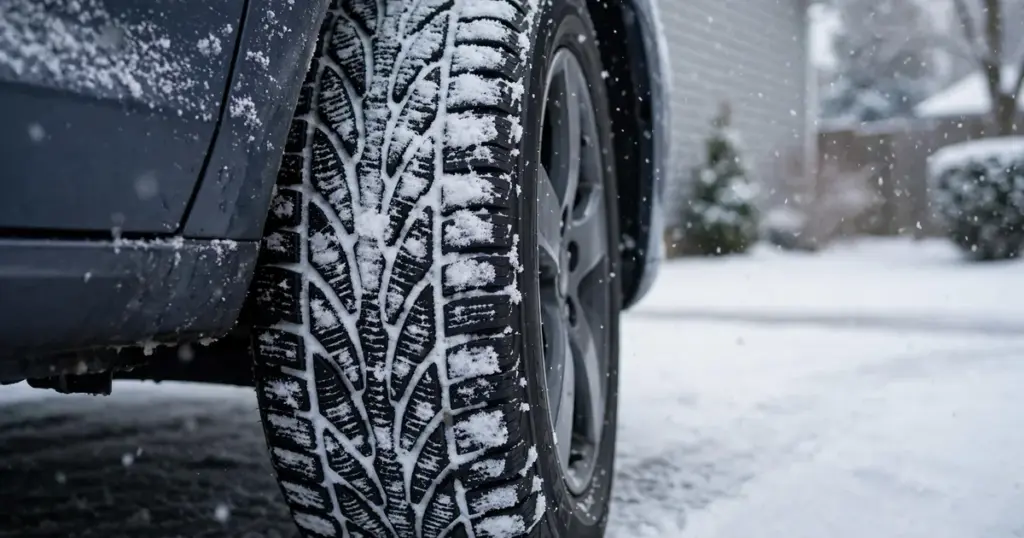
- Tires: consider winter tires if your area sees regular snow and ice — they grip far better than all-season tires in freezing temperatures. At minimum, check tread depth and pressure, which drops as it gets colder.
- Battery: cold weather is hard on batteries. Have yours tested if it is more than three years old.
- Fluids: top off antifreeze, switch to winter-grade windshield washer fluid, and keep the fuel tank at least half full to avoid a frozen fuel line.
- Wipers and lights: install winter wiper blades and confirm all lights work — short winter days mean more driving in the dark.
- Emergency kit: keep a blanket, flashlight, phone charger, ice scraper, small shovel, sand or kitty litter for traction, and snacks in the trunk.
Safety equipment on your car matters year-round: modern car safety features like anti-lock brakes and traction control are especially valuable on slick roads.
Safer winter driving techniques
Winter driving rewards patience. These habits keep you out of the ditch:
Slow down and leave space
Posted speed limits assume dry pavement. On snow or ice, cut your speed and leave at least six seconds of following distance — braking distances can triple on packed snow.
Be gentle with every input
Accelerate, brake, and steer smoothly and gradually. Sudden moves break traction. If your car has an anti-lock braking system, press the brake firmly in an emergency stop and let the system do its pulsing work.
Know how to handle a skid
If the rear slides, steer gently in the direction you want the front of the car to go and ease off the gas — do not slam the brakes. If the front pushes wide in a turn, ease off the accelerator and straighten the wheel slightly until grip returns.
Watch for black ice
Bridges, overpasses, and shaded stretches freeze first. If the road looks wet but the temperature is near freezing, treat it as ice.
Plan around storms
Check the forecast before long trips and delay travel during warnings when you can. If you must drive, tell someone your route and expected arrival time.
What your insurance covers in winter
Winter creates two kinds of insurance events: damage from the weather itself and damage from crashes on slick roads. Different coverages handle each.
- Comprehensive coverage pays for non-crash damage: hail dents, a tree branch falling on your car, flooding, or an animal strike on a dark winter evening.
- Collision coverage pays when your car hits something or rolls over — including sliding into a guardrail or another car on ice.
- Liability coverage pays for damage and injuries you cause to others if you lose control and hit another vehicle.
- Roadside assistance (if you carry it) covers towing and jump-starts when the cold leaves you stranded.
If you only carry liability, winter weather damage to your own car comes out of your pocket. Before storm season, review whether adding comprehensive and collision makes sense for your car’s value — and consider shopping around, since the best time of year to buy car insurance can affect how much you pay for that extra protection.
Collision vs. comprehensive: winter scenarios
| Winter scenario | Coverage that applies | Notes |
|---|---|---|
| You slide on ice into a guardrail | Collision | Pays for your car’s damage minus deductible |
| Hail dents your hood and roof | Comprehensive | No other vehicle involved |
| A snow-laden branch falls on your car | Comprehensive | Weather-related falling objects |
| You rear-end another car on a slick road | Collision (your car); liability (their car) | Your liability covers their damage |
| Flooding from melting snow damages your car | Comprehensive | Flood is a comprehensive peril |
| Dead battery leaves you stranded | Roadside assistance (if carried) | Towing and jump-starts, not repairs |
What to do after a winter accident
- Stay safe first. If the car is drivable, move it off the travel lane. Turn on hazard lights and set out flares or triangles if you have them.
- Check for injuries and call 911 if anyone is hurt or the road is blocked.
- Document the scene. Photograph vehicle positions, damage, road conditions, skid marks, and any relevant signs. Note the time, weather, and location.
- Exchange information with other drivers: names, contact details, insurance info, and license plates.
- File a police report when required by your state or when the other driver disputes what happened.
- Notify your insurer as soon as practical and start your claim.
Winter claim tips
- Report promptly. Most policies require prompt notice of a claim; waiting weeks can complicate things.
- Keep receipts. Towing, rental cars, and emergency repairs may be reimbursable depending on your coverage.
- Do not admit fault at the scene. Stick to the facts when talking to police and your insurer.
- Understand your deductible. For minor winter damage, compare the repair estimate to your deductible before deciding whether filing makes sense — small claims can still affect future premiums.
- Ask about rental coverage. If your car needs days in the shop, rental reimbursement (if you carry it) keeps you mobile.
For a deeper look at how this coverage works in general, see our collision insurance guide.
Frequently Asked Questions
Does car insurance cover damage from a snowstorm?
Yes, if you carry comprehensive coverage. It covers weather-related damage such as hail, falling ice or branches, and flooding from melting snow, minus your deductible. Liability-only policies do not cover damage to your own car.
Will my insurance go up if I file a claim after sliding on ice?
It can. At-fault claims, including single-vehicle slides into guardrails or ditches, may raise your premium at renewal. Weigh the repair cost against your deductible before filing for minor damage.
Do I need winter tires for my insurance to cover a winter accident?
No. Your coverage applies regardless of tire type. That said, winter tires meaningfully reduce your chance of a crash, which is the outcome that matters most.
What should I do if I hit a patch of black ice and damage my car?
Move to safety, document the scene with photos, and call police if the road is blocked or another vehicle is involved. Then notify your insurer — collision coverage handles damage from the slide, comprehensive handles any weather-only damage.
Is it worth adding roadside assistance before winter?
For many drivers, yes. Cold weather causes more dead batteries and no-start situations, and a single tow can cost more than a year of roadside coverage. Check whether your policy, automaker, or phone plan already includes it.
What to Do Next
Before the first freeze: run the maintenance checklist above, pack your emergency kit, and pull out your policy to confirm you carry comprehensive and collision coverage with deductibles you can afford. Then practice the slow-and-smooth driving habits that prevent most winter crashes — or refresh them with a defensive driving course.
This article is for general educational purposes only and is not insurance, legal, or financial advice. Coverage rules and rates vary by state and insurer.