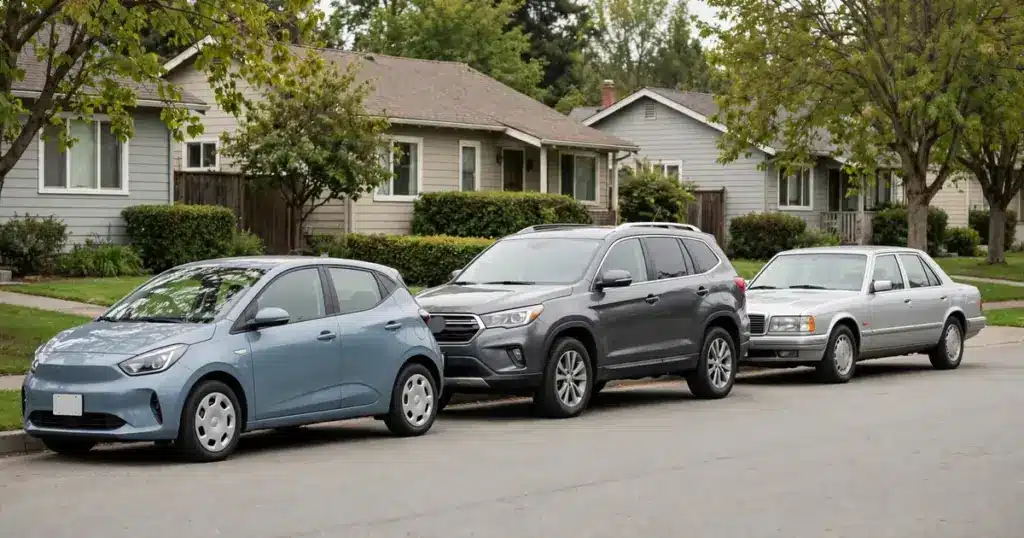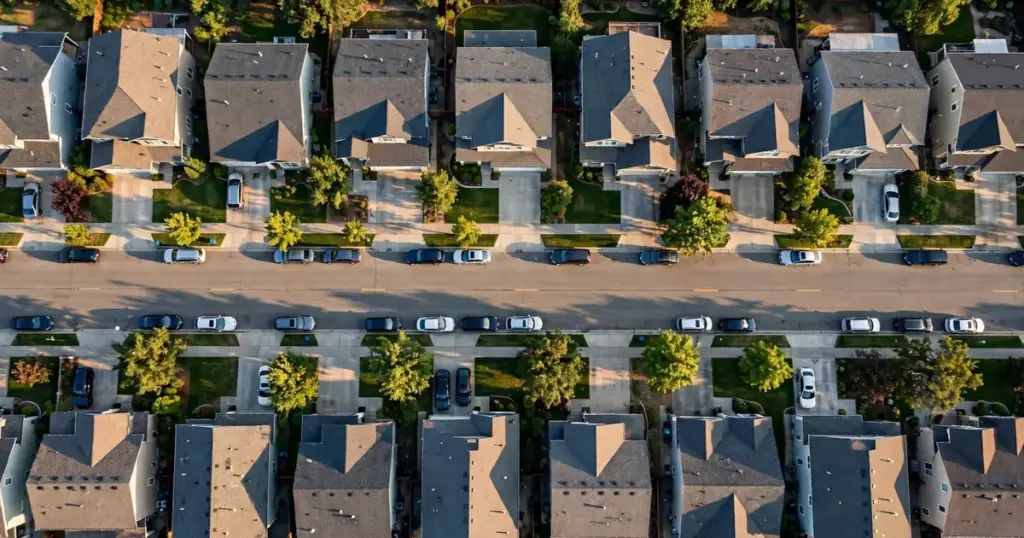
Yes — your ZIP code is one of the biggest factors behind your car insurance bill. Insurance companies use your ZIP code to place you in a rating territory, and zip code car insurance rates can look very different from one neighborhood to the next, even within the same city. Two drivers with identical cars, records, and coverage can pay different premiums simply because of where they park.
Why Your ZIP Code Matters to Insurers
Car insurance pricing is built on predicting risk. Insurers study millions of past claims to estimate how likely a driver in a given area is to file one, and how expensive that claim will be. Your ZIP code is the starting point for that math. It is one of the core inputs in what affects car insurance rates, alongside your driving record, age, vehicle, mileage, and credit-based insurance score where state law allows it.
A rating territory is a group of ZIP codes with similar loss patterns. When an insurer files its rates with a state insurance department, it assigns a base rate to each territory. Your individual premium is then adjusted up or down from that base according to your personal factors. That is why location matters so much: it sets the floor your rate is built on.
Insurers look at aggregate loss data — total claims paid in the territory relative to the number of insured vehicles — not at any individual driver. Two streets can fall in different territories simply because one has a busier intersection or a history of more break-ins.
What Insurers See in Your ZIP Code
When actuaries evaluate a territory, they weigh several local signals. Here are the ones that move the needle most.
Traffic density and crash frequency
Crowded roads mean more fender benders. ZIP codes with heavy commuter traffic, dense intersections, and limited parking tend to generate more collision claims per insured car. Rush-hour congestion, frequent stop-and-go driving, and high pedestrian activity all push claim frequency up — and rates follow.
Vehicle theft and vandalism
Comprehensive coverage pays for theft, break-ins, and vandalism, and those losses cluster geographically. Areas with higher reported auto theft or a history of catalytic converter thefts and smashed windows see higher comprehensive premiums. Insurers track this data closely, so a spike in local theft can eventually show up in everyone’s renewal.
Repair costs and medical costs
It is not just how often claims happen — it is how much they cost. Labor rates at body shops vary by region, and so do medical costs after an injury crash. A ZIP code in a metro area with expensive repair shops and high medical billing will carry higher liability and collision rates than an area where the same repairs cost less.
Weather and natural disasters
Hail, hurricanes, floods, wildfires, and severe winter storms cause concentrated waves of comprehensive claims, so ZIP codes exposed to them typically pay more for comprehensive coverage — even if your own car has never been weather-damaged.
Uninsured drivers and claim trends
Areas with more uninsured motorists generate more uninsured-motorist claims for everyone else. Insurers also watch claim severity: territories where repair bills and injury settlements keep climbing get adjusted upward at the next rate filing.
How Moving to a New ZIP Code Changes Your Premium
Moving across town can change your premium even if nothing else about you changes. When you update your garaging address, your insurer re-rates your policy in the new territory. The result can be a pleasant surprise or an unwelcome one: a move from a dense downtown ZIP to a quieter suburban one often lowers the bill, while the reverse often raises it. But there are no guarantees — a suburban ZIP next to a hail-prone corridor or a busy highway interchange can be pricey too.
A few practical points about moving and insurance:
- Get quotes before you move. Run your new address through a few quote tools while you are still deciding. The difference between two candidate apartments can be larger than you expect.
- Update your address promptly. Most policies require you to report an address change within a set number of days. Delays can complicate a future claim.
- Do not “forget” to update it. Keeping your old ZIP code on the policy to dodge a higher rate is misrepresentation. If the insurer discovers the car is really garaged elsewhere, it can deny a claim or cancel the policy.
- Moving does not reset your record. Your driving record and claims history move with you. A new ZIP code changes the territory, not your personal risk profile.
If a car is kept at a school address most of the year, that is generally the address the insurer needs — not a parent’s home.
Urban vs. Suburban vs. Rural: Where the Rate Gap Comes From
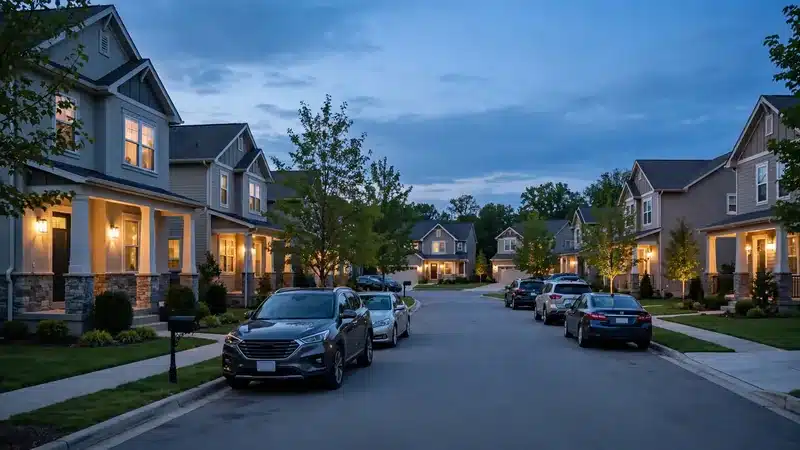
People often ask whether city drivers always pay more than rural drivers. Usually — but not always. The table below shows the general pattern and the exceptions that break it.
| Area type | What pushes rates up | What pushes rates down | Typical pattern |
|---|---|---|---|
| Dense urban | Heavy traffic, frequent minor collisions, higher theft and vandalism, costly repairs | Lower annual mileage, good public transit options | Often the highest rates in a state |
| Suburban | Longer commutes, busy shopping corridors, hail and storm exposure in some regions | Garage parking, lower theft, moderate traffic | Usually middle of the range |
| Rural | Higher-speed roads, longer emergency response times, animal collisions, fewer repair shops | Very low traffic density, minimal theft | Often the lowest, but severe crashes can offset the advantage |
The exceptions matter: a rural ZIP on a deer-heavy highway corridor can carry surprisingly high comprehensive rates, and a suburban ZIP near a hail-prone corridor can cost more than a downtown ZIP with garage parking. Territories follow claim data, not city limits, so neighboring ZIP codes can differ sharply.
Your personal factors still interact with all of this. A clean driving record and a strong credit-based insurance score (in states where insurers may use it) can substantially offset a high-cost territory, while tickets or an at-fault accident amplify the location penalty. To see how location fits into the full picture, it helps to understand how credit scores affect car insurance alongside the other rating factors.
How to Pay Less in an Expensive ZIP Code
You cannot change your territory’s loss history, but these moves work anywhere — and they matter most where base rates are high.
- Shop your rate every year. Insurers weigh territories differently, so the cheapest company in your ZIP code this year may not be the cheapest next year. Comparing three or more quotes is the single most effective step.
- Raise your deductible. Moving from a low deductible to a higher one on collision and comprehensive can meaningfully cut your premium — as long as you can comfortably cover the higher out-of-pocket amount after a crash.
- Ask about every discount. Bundling home and auto, paying in full, going paperless, completing a defensive driving course, and installing anti-theft devices can each shave something off. Discounts stack, so the total adds up.
- Consider a telematics program. Usage-based insurance measures how you actually drive — braking, speed, mileage, time of day — and can reward safe, low-mileage drivers regardless of ZIP code.
- Keep your record clean. In a high-cost territory, a ticket or at-fault accident hurts more because it multiplies an already-high base rate. Defensive driving pays double dividends here.
- Park smart. A locked garage beats street parking for both theft risk and, with some insurers, your rate. If you have a garage, make sure the insurer knows the car sleeps there.
Frequently Asked Questions
Does my ZIP code affect my rate more than my driving record?
Both matter, but they work differently. Your ZIP code sets the base rate for your territory, while your driving record adjusts it up or down. In practice, a serious violation like a DUI or at-fault accident usually moves an individual premium more than a change of neighborhood — but a high-cost ZIP code raises the starting point for everyone, clean record or not.
Will my insurance go up if I move to a bigger city?
Often, but not always. Urban territories tend to have more claims, theft, and costly repairs, which usually means higher premiums. The exact change depends on the specific ZIP codes, your coverage, and your insurer’s territory map. Get quotes with the new address before you commit to the move.
Can I use a different ZIP code to get cheaper insurance?
No. Your policy must list the address where the car is actually kept — usually overnight. Using a relative’s address or an old address to get a lower rate is misrepresentation, and it gives the insurer grounds to deny a claim or cancel your policy. The savings are never worth that risk.
How often do insurers update their ZIP code territories?
Insurers review territory loss data regularly and adjust rates when they file with state regulators, typically once or twice a year. If claims in your area rise — after a hail season, for example — you may see it reflected at your next renewal even if you have never filed a claim yourself.
What to Do Next
Start by finding out where you stand: pull your current declarations page, note your ZIP code, and collect two or three competing quotes using the exact same coverage limits. If you are planning a move, run quotes for each candidate address — the gap might influence your decision. Then work through proven ways to save on car insurance, from raising your deductible to enrolling in a telematics program. Location is only one input, and the rest are largely within your control.
This article is for general educational purposes only and is not insurance, legal, or financial advice. Coverage rules and rates vary by state and insurer.