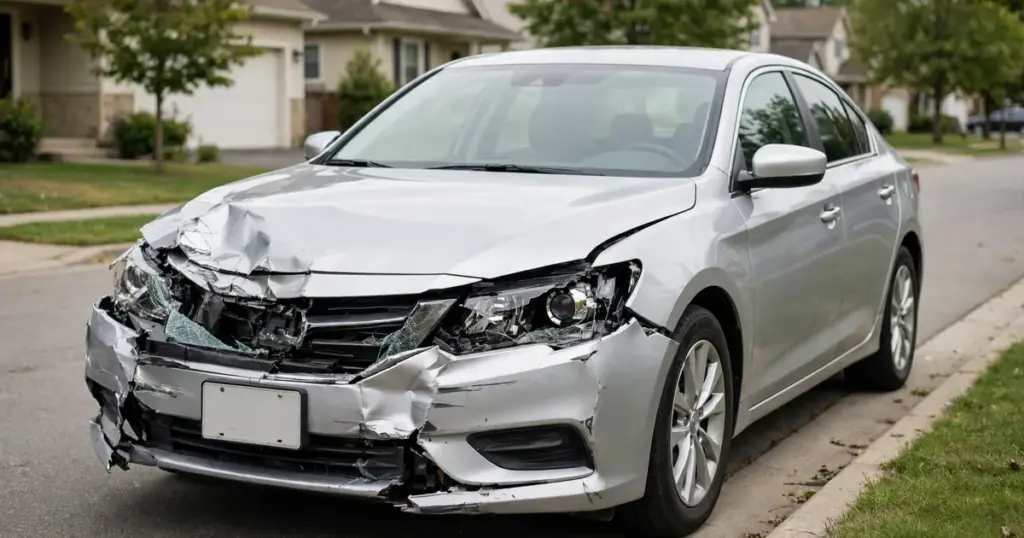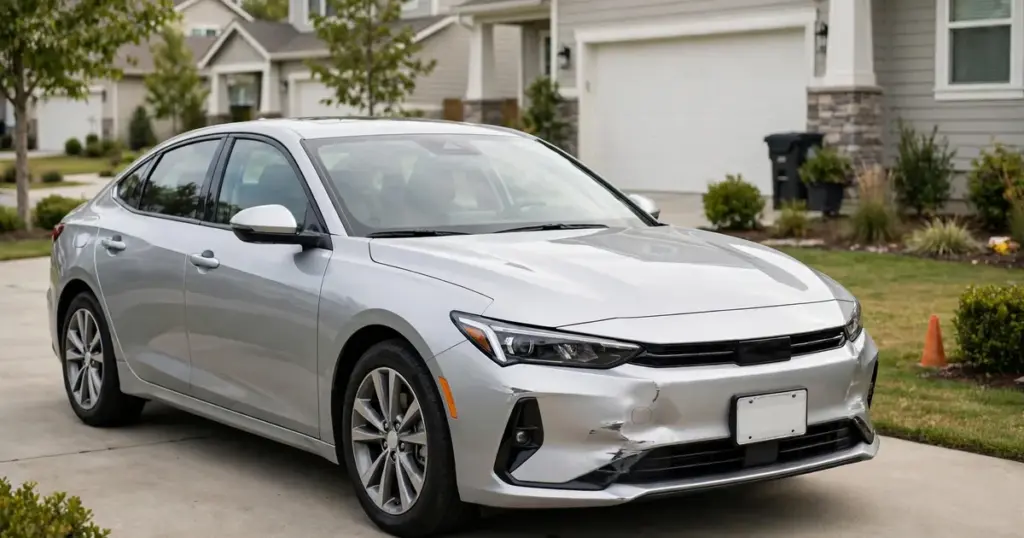
A hit and run leaves you with damage, no other driver to bill, and a lot of questions. The short answer on hit and run car insurance: your own policy is what responds. Collision coverage pays to fix your car, and uninsured motorist coverage can cover injuries caused by a driver who fled — in many states, a hit-and-run driver is treated the same as an uninsured one.
Which coverage pays, how much of your deductible applies, and what paperwork the insurer will demand all depend on your policy and your state. This guide walks through each piece so you know exactly where you stand before you call your insurer.
What Counts as a Hit and Run
A hit and run is any crash where a driver involved leaves the scene without stopping to exchange information or help anyone who is hurt. It covers the obvious case — a driver clips your car and speeds off — and the quieter one: you return to a parked car to find a smashed bumper and no note.
Leaving the scene of a crash is a crime in every state, with penalties that range from fines and license suspension to jail time depending on the damage and whether anyone was injured. That criminal side is handled by law enforcement, not your insurer — but the police report they generate becomes the backbone of your insurance claim, so reporting the incident matters for both.
Which Coverages Respond to a Hit and Run
Since the fleeing driver can’t pay, the coverages on your own policy step in. Here is what each one does in this situation:
Collision coverage
This is the coverage that repairs your car after a hit and run, whether you were driving or the car was parked. Your collision deductible applies, and the insurer pays the rest of the repair cost up to your car’s value. If you don’t carry collision, there is generally no coverage for your vehicle’s damage — this is the single most common gap in hit-and-run situations.
Uninsured motorist bodily injury (UMBI)
If you or your passengers are hurt, uninsured motorist bodily injury coverage pays medical bills, lost wages, and related costs. In most states, a driver who flees the scene is treated as an uninsured motorist for this purpose, which is exactly the scenario UMBI exists for. Some states require insurers to offer it; a few require you to carry it. Check your declarations page to see your limits.
Uninsured motorist property damage (UMPD)
A smaller group of states offers uninsured motorist property damage, which can cover your car repairs with a lower deductible than collision — or serve as the fallback if you don’t carry collision. Availability and rules vary by state, so confirm with your state’s insurance department whether this coverage exists where you live.
Medical payments (MedPay) or personal injury protection (PIP)
These cover medical costs for you and your passengers regardless of fault, and they respond to hit-and-run injuries too. PIP is required in no-fault states and optional elsewhere; MedPay is optional in most states that offer it.
What liability coverage does not do
Your liability coverage pays for damage you cause to others — it never pays for your own car or your own injuries. If you carry only state-minimum liability, a hit and run leaves you paying for your own repairs out of pocket. For the difference, see our guide on what to do if you’re hit by an uninsured driver.
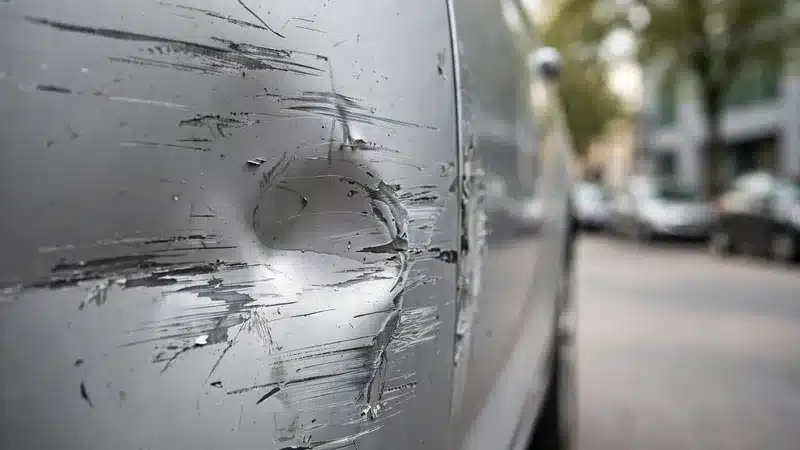
Coverage Comparison: What Pays for What
| Coverage | What it pays in a hit and run | Deductible? |
|---|---|---|
| Collision | Repairs to your car | Yes — your collision deductible applies |
| Uninsured motorist bodily injury | Medical bills, lost wages for you and passengers | Usually none |
| Uninsured motorist property damage | Car repairs (where the state offers it) | Often a small fixed amount, varies by state |
| MedPay / PIP | Medical costs regardless of fault | Usually none, or a small one |
| Liability (yours) | Nothing for your own losses | Not applicable |
What to Do Right After a Hit and Run
The steps overlap with what to do after any car accident, with a few extras that matter specifically when the other driver is gone:
- Call the police immediately. A prompt police report is the single most important document for a hit-and-run claim. Many insurers require a report filed within a short window — sometimes 24 hours — before they will treat the claim as a hit and run.
- Write down everything you remember. Even a partial plate, the car’s color and make, the direction it went, and the exact time and place can help police and your insurer.
- Look for witnesses and cameras. Ask nearby drivers, pedestrians, and shop owners what they saw. Note any traffic, doorbell, or parking-lot cameras that might have recorded the crash.
- Photograph the scene and the damage before moving the car if it is safe to do so — skid marks, debris, and the position of the vehicles all help.
- Do not chase the other driver. Following a fleeing driver puts you in danger and can complicate your claim.
- Notify your insurer promptly. Most policies require prompt notice of any claim; waiting weeks gives the insurer reason to question the claim.
Filing the Claim With Your Insurer
The mechanics of filing a car insurance claim are the same, but a hit-and-run claim has a few particulars. Have your police report number ready when you call — the adjuster will ask for it first. Describe the incident factually and stick to what you observed; don’t speculate about the other driver’s identity or motives.
The insurer will likely investigate before paying: confirming the police report, reviewing photos, and sometimes inspecting the damage pattern to make sure it matches your account. This is normal. Cooperate, answer questions honestly, and keep copies of everything you submit.
One thing to expect: because there is no other insurer to negotiate with, disputes in hit-and-run claims usually center on the value of your car or the necessity of certain repairs. If you disagree with the adjuster’s number, the process is the same as any valuation dispute — and how fault rules like comparative negligence work rarely comes into play, since a driver who fled is generally treated as at fault.
What If the Driver Is Found Later
Sometimes the police identify the driver days or weeks later — from camera footage, a partial plate, or paint transfer. When that happens, your insurer can pursue the at-fault driver’s liability coverage to recover what it paid on your claim, a process called subrogation. If the recovery succeeds, you may even get your deductible refunded.
You don’t have to wait for that outcome to get your car fixed. File through your own collision coverage now; let the insurer chase reimbursement later. If the driver is found and turns out to be insured, you also gain the option of filing a claim against another driver’s insurance directly — though going through your own policy first is usually faster.
Frequently Asked Questions
Does car insurance cover hit and run damage to my car?
Yes, if you carry collision coverage — it pays for repairs minus your deductible, whether you were driving or the car was parked. In some states, uninsured motorist property damage can also cover it. Liability-only policies do not cover your own car’s damage.
Will a hit and run claim raise my rates?
It depends on your insurer, your state, and your claims history. Not-at-fault claims are generally treated more leniently than at-fault ones, but some insurers still surcharge after any claim. Ask your insurer how a not-at-fault comprehensive or collision claim would affect your premium before you file.
What if I don’t have collision coverage?
Then your policy likely won’t pay for your car’s repairs after a hit and run. Your options are paying out of pocket, checking whether your state offers uninsured motorist property damage as a standalone coverage, or hoping the driver is identified so you can claim against their liability insurance.
How long do I have to report a hit and run?
Report it to the police as soon as possible — many insurers expect a report within 24 hours for hit-and-run claims, and some states set their own deadlines. Notify your insurer promptly too; your policy’s notice requirements apply. Waiting weakens both the investigation and your claim.
What to Do Next
If you’ve just been hit: call the police now, gather every detail you can, and read our step-by-step guide to filing a car insurance claim before you call your insurer. Then pull out your declarations page and check whether you carry collision and uninsured motorist coverage — if you only have liability, a hit and run is the wake-up call to reconsider, because next time the other driver might vanish too. For the full picture on protecting yourself after any crash, see what to do after a car accident.
This article is for general educational purposes only and is not insurance, legal, or financial advice. Coverage rules and rates vary by state and insurer.