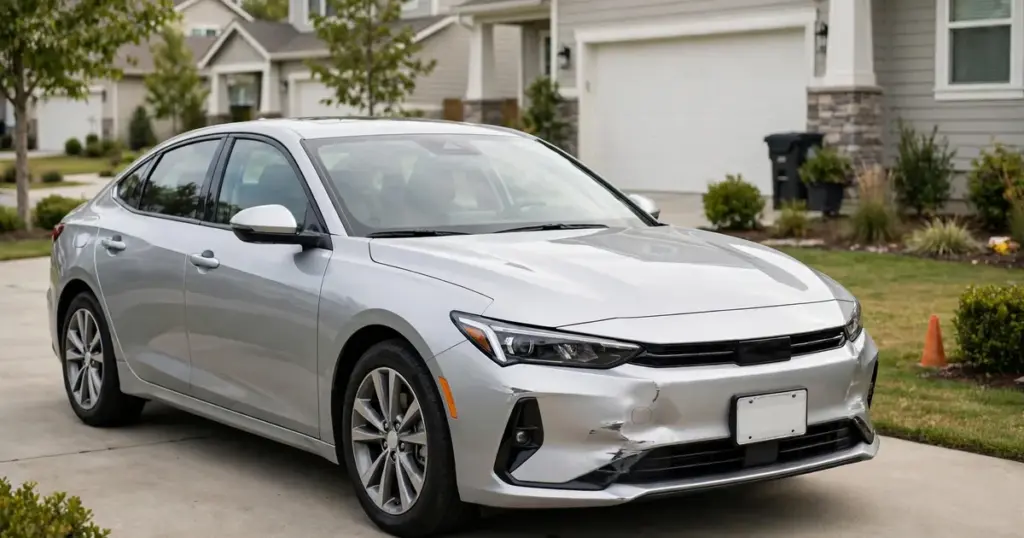
If you are wondering how to dispute a car insurance claim decision, here is the short version: you can. A denial letter or a settlement offer that feels too low is your insurer’s position — not the final word. Start by reading the decision letter closely, gather evidence that backs your case, and ask the insurer to take another look. If that does not work, you can escalate to your state insurance department. This guide walks you through each step in order.
Why Claims Get Denied or Underpaid
Before you dispute anything, make sure you understand exactly what the insurer decided and why. The most common reasons claims get denied or paid for less than expected include:
- A coverage question. The insurer says the loss falls under a policy exclusion — for example, damage that happened while the car was being used in a way the policy does not cover.
- A disagreement over fault. They blame you; you blame the other driver. Fault findings drive who pays, so this is one of the most disputed areas. It helps to understand the at-fault rules in your state, since fault standards are not the same everywhere.
- Pre-existing damage. The insurer claims some of the damage was already there before the accident and refuses to pay for that portion.
- A low valuation or estimate. Their repair estimate is far below what shops quoted you, or their total-loss valuation of your car feels off.
- Missing information or missed deadlines. Paperwork you never sent, or a deadline in the policy you did not know about.
Each reason has a different answer, so the denial letter is your roadmap. If the insurer’s reason does not match the facts as you know them, that gap is the heart of your dispute.
Step 1: Read the Decision Letter Carefully
Your insurer should explain its decision in writing. Read that letter slowly and look for three things:
- Which policy language they cite. Note the exact section or exclusion. Then read that part of your own policy to see whether their reading makes sense.
- Which facts they rely on. Did they describe the accident accurately? Did they overlook a photo, a witness, or a repair estimate you sent?
- Whether the math adds up. If they paid less than you expected, compare their estimate line by line with estimates from independent shops.
If anything in the letter is vague, call and ask for a plain-language explanation of the decision and the policy language behind it. Write down what they say, with the date and the name of the person you spoke with. You are building a paper trail from this moment on.
Step 2: Gather Evidence to Support Your Case
Disputes are won on evidence, not on frustration. Pull together everything that supports your version of events:
- Photos and videos of the damage and the accident scene, including anything you took at the time.
- Two or three written repair estimates from independent shops.
- The police report and any witness names and statements.
- Medical records and bills if anyone was hurt.
- Every letter, email, and note from your conversations with the insurer — with dates.

If your dispute involves the other driver’s insurer rather than your own, the process runs through a third-party claim — our guide to filing a claim with another driver’s insurance covers how that side of the process works.
Step 3: Ask the Insurer to Reconsider
Most disputes are resolved at this step, so give it your best effort:
- Call your adjuster first. Calmly walk through the error as you see it and the evidence that supports you. Adjusters handle heavy caseloads, and genuine mistakes happen.
- Follow up in writing. Send an email or letter that restates your case, references the evidence, and asks for a specific outcome. Keep a copy of everything you send.
- Ask for a supervisor review. If the adjuster will not reconsider, you can ask for the file to be reviewed by a supervisor or a different adjuster.
- Ask when you will hear back. Get a response date in writing so the file does not go quiet. (Disputes add time to the process — see how long a car insurance claim takes so your expectations are realistic.)
One honest check before you push hard: if the dispute is over a small amount, make sure the fight is worth it. Our guide on whether a small claim is worth filing can help you weigh a modest payout against the time and effort of a dispute.
Step 4: Escalate Beyond the Adjuster
If reconsideration goes nowhere, you still have options. Work through them in this order:
File a complaint with your state insurance department. Every state has a department that regulates insurers, and filing a consumer complaint is free. The department will typically ask the insurer to respond and review whether the company handled your claim fairly. You can find your state’s department through the National Association of Insurance Commissioners at naic.org. A regulator’s inquiry alone is often enough to get a stalled claim moving again.
Use the appraisal clause if the dispute is about value. Many auto policies include an appraisal clause for disagreements over repair costs or a vehicle’s value. Each side hires an appraiser, and the appraisers work toward an agreed figure. Check your policy for the exact wording and invoke the clause in writing.
Consider legal help for large disputes. If a lot of money is at stake or you believe the insurer acted in bad faith, a licensed attorney in your state can advise you on your options. Many attorneys who handle insurance disputes offer free initial consultations. Rules and remedies vary by state, so local advice matters here.
Which Dispute Path Fits Your Situation
| Option | Best when | Cost | How to start |
|---|---|---|---|
| Ask for reconsideration | You have new evidence or the adjuster made an error | Free | Write to your adjuster with your evidence attached |
| Supervisor review | The adjuster will not reconsider | Free | Ask to escalate the file within the company |
| State insurance department complaint | You believe the insurer is not handling the claim fairly | Free | File a complaint with your state’s department |
| Appraisal clause | You disagree on the car’s value or the repair cost | You may pay your own appraiser’s fee | Invoke the clause in your policy in writing |
| Legal help | Large amounts are at stake or bad faith is suspected | Varies; many offer free consultations | Consult a licensed attorney in your state |
Frequently Asked Questions
How long do I have to dispute a claim decision?
There is no single deadline — policies and state laws set different time limits, and waiting only weakens your position. Start within days or weeks, not months. Check your policy for any stated timeframes, and ask your state insurance department if you are unsure about your state’s rules.
Will disputing a claim raise my rates?
Disputing does not itself raise your premiums. The original claim may affect your rates the same as it would have without a dispute — challenging the decision does not add a second strike to your record.
What if the insurer just stops responding to me?
Escalate in writing with dates, then request a supervisor review. If the silence continues, file a complaint with your state insurance department — regulators generally expect insurers to respond to consumer complaints, and that outside attention tends to get files moving again.
Can I dispute a claim someone else filed against my policy?
Yes. If someone files a liability claim against your policy — say, the other driver in an accident — a payout under your coverage can affect your record and your premiums. You have standing to challenge the fault finding or question an inflated payout, using the same steps above.
What to Do Next
Pull out the decision letter and your policy today, and start an evidence folder with everything listed in Step 2. Then send your written request for reconsideration — calm, specific, and backed by documents. If your dispute involves a claim you have not finished filing yet, make sure the basics are right by reviewing how to file a car insurance claim first, so a paperwork gap does not undermine your case.
This article is for general educational purposes only and is not insurance, legal, or financial advice. Coverage rules and rates vary by state and insurer.