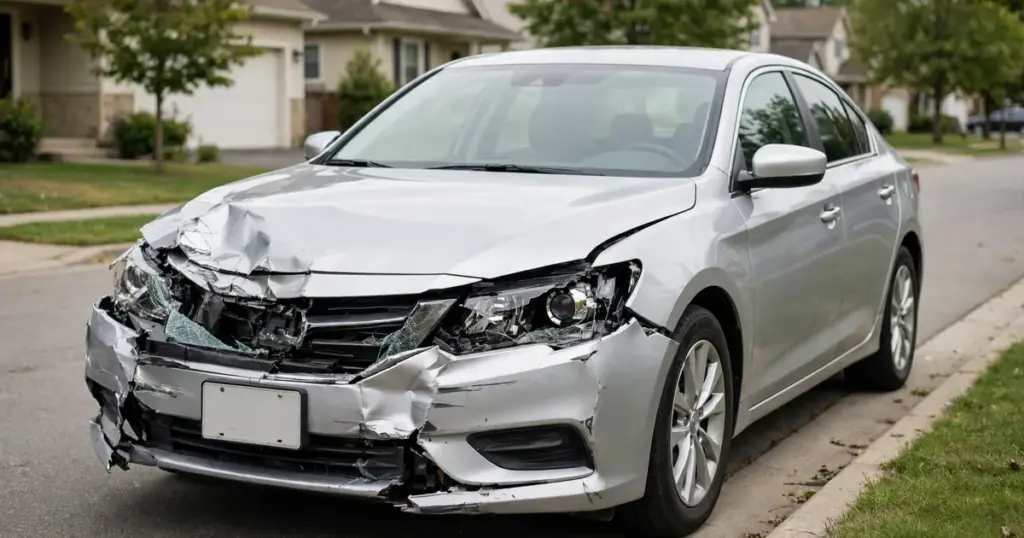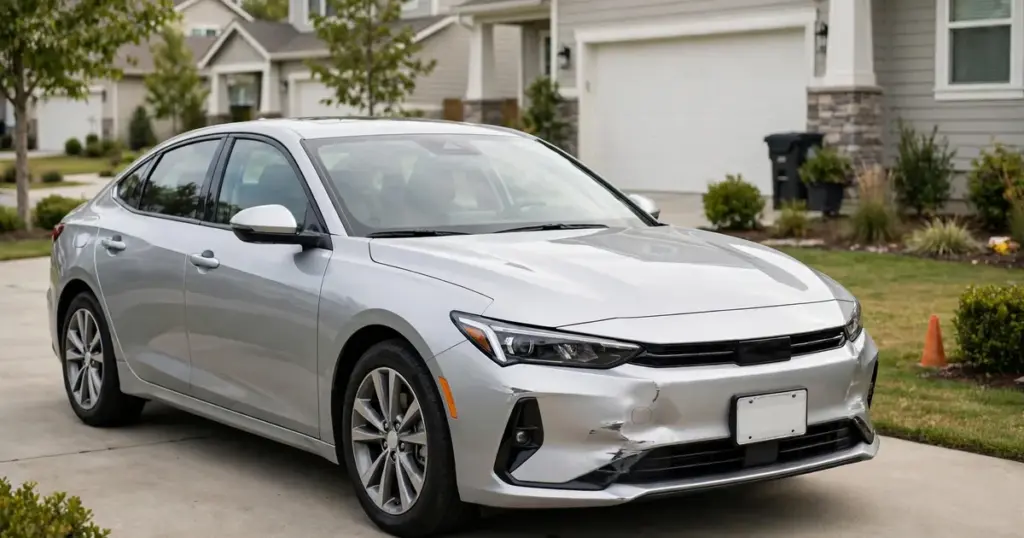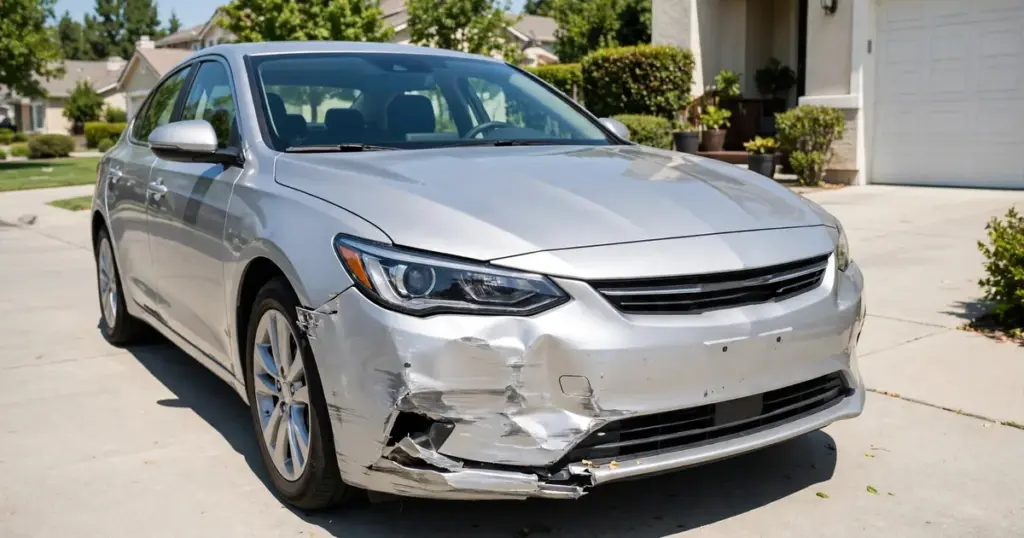
To file a car insurance claim, contact your insurer by phone, app, or website as soon as it is safe to do so, give the basic facts of what happened, and provide the photos and documents your adjuster asks for. You can file a claim after a crash, theft, vandalism, hail, flooding, or any other event your policy covers. Knowing how to file a car insurance claim step by step helps you avoid delays, protect your rights, and get a fair settlement.
This guide walks through the entire process: what to do at the scene, what information to gather, which coverage pays, how adjusters evaluate claims, the mistakes that cause trouble, and what to do if you disagree with the outcome.
How to File a Car Insurance Claim in 7 Steps
Step 1: Make sure everyone is safe and get help if needed
Right after a crash, your first job is safety, not paperwork. Move to a safe spot if you can, turn on your hazard lights, and call 911 if anyone is hurt or the vehicles are blocking traffic. For a full rundown of these first minutes, see our guide on what to do right after a car accident.
Step 2: Exchange information with the other driver
Swap names, phone numbers, insurance company names, and policy numbers with every driver involved. Note the make, model, color, and license plate of each vehicle. If there are witnesses, ask for their contact details too — their account can matter if fault is later disputed.
Step 3: Document the scene thoroughly
Take photos and short videos of all vehicles from several angles, the road and weather conditions, skid marks, traffic signs, and any visible injuries. Write down the time, location, and a brief account of what happened while it is fresh. These details are much harder to reconstruct later.
Step 4: File a police report when one is needed
Call the police if anyone is injured, the damage looks significant, or the other driver leaves the scene. A police report gives the claim a neutral, official record. It is especially important in hit-and-run situations, where you will likely need the report number for your uninsured motorist coverage to apply.
Step 5: Contact your insurer to open the claim
Most insurers let you start a claim through their app, website, or claims phone line. Have your policy number ready and stick to the facts: where and when it happened, who was involved, and what was damaged. You will get a claim number — write it down and use it in every later conversation.

Step 6: Work with the adjuster and get a repair estimate
Your insurer will assign a claims adjuster to investigate. They may ask for a recorded statement, photos, the police report, and repair estimates. Answer their questions honestly, but keep your account factual and consistent with what you documented. You are not required to guess about fault or injuries.
Step 7: Review the settlement and close the claim
Once the investigation is done, the insurer proposes a settlement — payment for repairs, a total-loss payout, or a denial with an explanation. Read it carefully. If it looks right, accept it and the claim closes. If not, you have options: ask for a second look, supply more evidence, or learn how to dispute a car insurance claim decision.
What Information You’ll Need for Your Claim
Having the right details ready speeds everything up. Before or shortly after you call, collect:
- Your policy number and the claim number once one is assigned
- Names, phone numbers, addresses, and insurance details of all drivers involved
- Vehicle information: year, make, model, color, and license plate numbers
- The police report number and the responding officer’s name or badge number
- Photos and videos of the damage, the scene, and any injuries
- The date, time, and exact location of the incident
- Contact information for any witnesses
- Receipts for towing, rental cars, or emergency repairs
- Medical records or bills if anyone was hurt
If you only have some of this, file anyway — your adjuster can help you track down the rest. The most common holdup is missing contact or policy information for the other driver, so the exchange at the scene is worth taking seriously.
Which Coverage Pays for Your Claim
Which part of your policy pays depends on what happened and who was at fault. The table below shows the common situations and the coverage that usually handles them.
| What happened | Coverage that usually pays | What to know |
|---|---|---|
| You crashed into another car, object, or guardrail | Collision | Pays for damage to your car minus your deductible. See our explainer on collision insurance coverage and costs for the basics. |
| Another driver hit you and was at fault | Their liability coverage | You can file directly against the other driver’s policy. Our guide on how to file a claim with another driver’s insurance walks through that process. |
| Theft, vandalism, hail, flood, fire, or animal strike | Comprehensive | Covers non-crash damage minus your deductible. If your car was stolen, read whether car insurance covers theft; for weather damage, see hail, flood, and storm coverage. |
| Hit by a driver with no insurance or not enough | Uninsured/underinsured motorist | Steps in when the at-fault driver cannot pay. Availability and rules vary by state. |
| You or passengers were injured | Medical payments or personal injury protection | Covers medical bills up to your limit; the exact options depend on your state. |
A quick note on deductibles: you pay this amount out of pocket before your coverage kicks in for collision and comprehensive claims. If the repair bill is barely above your deductible, it may make more sense to handle it yourself — our guide on whether to file a small claim or pay out of pocket explains the tradeoffs.
How the Claims Adjuster Reviews Your Case
After you file, the adjuster becomes your main point of contact. Their job is to verify what happened, confirm the damage, determine which coverage applies, and calculate what the insurer owes. Here is what that usually involves:
- Reviewing your account: the adjuster reads your claim report, photos, and the police report, and may ask you to describe the incident again in your own words.
- Inspecting the damage: they may look at the car in person, ask you to visit a drive-in inspection site, or review photos you upload through the app.
- Getting a repair estimate: the adjuster writes an estimate based on parts, labor, and the extent of the damage. You can get an independent estimate too and compare.
- Checking coverage and fault: they confirm your policy was active, the event is covered, and how fault should be assigned. If fault is shared, comparative and contributory negligence rules determine how much each party can recover — and these rules differ by state.
- Making a settlement offer: for repairs, this is the approved repair cost minus your deductible. For a total loss, it is the car’s actual cash value minus your deductible. If your car may be totaled, read how insurers decide to total a car so you understand the math.
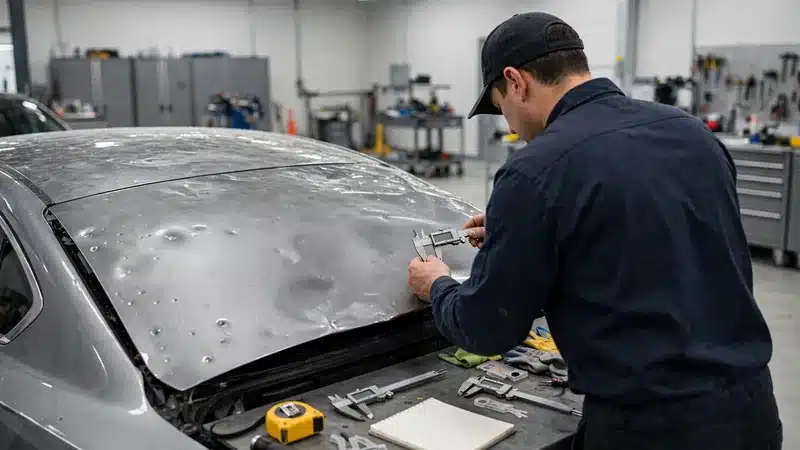
Stay reachable while the review is underway and respond to requests quickly — most delays come from waiting on information, not from the insurer stalling. If an adjuster asks for a recorded statement, answer with short, factual responses and avoid speculating about things you are unsure of.
Mistakes That Can Slow Down or Hurt Your Claim
A few common missteps cause more trouble than the accident itself:
- Waiting too long to report. Policies expect prompt notice. A long delay gives the insurer room to argue the damage is unrelated or harder to verify.
- Admitting fault at the scene. Apologizing or saying “it was my fault” can be used against you later. Stick to exchanging facts and let the investigation sort out fault.
- Skipping medical attention. Some injuries show up hours or days later. See a doctor promptly if you feel anything unusual — it protects both your health and your claim.
- Throwing away evidence. Keep damaged parts, receipts, tow bills, and rental receipts until the claim closes.
- Posting details on social media. Public posts and photos can be read out of context by an adjuster or the other party.
- Filing for tiny damage without thinking it through. A small claim can still count on your claims history. For minor dings, run the numbers first — see when it is smarter to pay out of pocket instead of filing.
- Accepting the first offer without reading it. Check the estimate line by line. If something is missing — a damaged panel, a tow charge, a rental day — point it out before you sign.
How Long the Process Usually Takes
There is no single timeline. A simple claim with clear fault, minor damage, and complete paperwork can be resolved in a matter of days. Claims involving disputed fault, injuries, multiple vehicles, or a total loss naturally take longer because there is more to investigate.
What you can control is your part: file promptly, send documents when asked, and keep a log of every call with dates, names, and what was discussed. If weeks pass with no update, follow up with your adjuster and ask what is still outstanding. For a detailed breakdown of what stretches or shortens the timeline, see how long a car insurance claim takes.
How Claim Settlements Are Decided
Insurers do not pull settlement numbers out of thin air. The amount is built from a few concrete inputs:
- Repair costs: parts plus labor at prevailing rates in your area, minus your deductible.
- Actual cash value (ACV): if the car is a total loss, you are owed its value just before the incident — what a comparable car would sell for — minus your deductible, not what you originally paid for it.
- Fault allocation: in states with comparative negligence, your recovery can be reduced by your share of fault. In the few states with contributory negligence rules, being even slightly at fault can bar recovery, which is why understanding your state’s negligence rule matters so much.
- Policy limits: no payout can exceed the coverage limits you bought.
- Additional costs: towing, rental reimbursement, and medical bills are handled under their own coverages and limits.
If the number feels too low, you do not have to accept it on the spot. Ask the adjuster to walk you through the estimate, point out anything that was missed, and provide your own repair estimate or comparable listings for a total loss. If you still cannot agree, there is a formal path forward — see how to dispute a car insurance claim decision.
Frequently Asked Questions
How long do I have to file a car insurance claim?
Your policy expects you to report claims promptly, so file as soon as practical after the incident. There is no universal deadline — your policy sets its own notice requirements, and separate legal deadlines (called statutes of limitations) apply if you ever need to sue over the accident, and those differ by state. When in doubt, file early rather than late.
Will filing a claim raise my car insurance rates?
It depends on the situation, your insurer, and your state. At-fault accident claims are the most likely to affect what you pay at renewal, while not-at-fault claims are often treated differently. Some states restrict when insurers can raise rates for certain types of claims. Your state insurance department can explain the rules where you live.
Can I choose my own repair shop?
In most cases, yes. Insurers often suggest shops in their network because billing is simpler, but you are generally free to take your car to any licensed shop. If you choose your own, make sure the estimate is detailed so the adjuster can approve it without back-and-forth.
What if the other driver’s insurance denies my claim?
You still have options. You can file under your own collision or uninsured motorist coverage if you carry it, ask your insurer to pursue the other driver, or challenge the denial directly. For a step-by-step approach, see our guide on how to dispute a car insurance claim decision.
Do I have to accept the first settlement offer?
No. You can ask questions, point out missing items on the estimate, and provide your own evidence — repair quotes, photos, or comparable vehicle listings for a total loss. Many disagreements are resolved through simple negotiation before anything formal is needed.
What to Do Next
If you have just had an accident, start with the immediate steps in our guide on what to do right after a car accident, then file your claim as described above. For minor damage, first check whether it is worth filing at all with our guide on small claims vs. paying out of pocket.
While you wait for your claim to move forward, it helps to know what is coming: read how long a car insurance claim takes so you can spot delays, and how insurers decide to total a car if the damage is severe. And if anything in this process felt unclear, browse our other claims guides — from hit-and-run coverage to theft claims and weather damage.
This article is for general educational purposes only and is not insurance, legal, or financial advice. Coverage rules and rates vary by state and insurer.