A standard personal auto policy covers the everyday stuff: liability for damage you cause, and — if you carry it — collision and comprehensive for your own vehicle. But many special car insurance situations fall outside that everyday picture. Renting a car, insuring a classic, driving for a delivery app, lending your car to a friend, or moving across state lines can each leave you with less protection than you assume.
This guide surveys nine of the most common situations where a standard policy may not be enough, and points you to the detailed guide for each one. If any of these matches your life right now, read the linked article next — it explains exactly what coverage to consider and what questions to ask your insurer.
Why Standard Policies Have Gaps
An auto insurance policy is a contract with three built-in assumptions: the named vehicles, the listed drivers, and personal (non-business) use. When all three hold true, your coverage works the way you expect. When one of them changes — you drive a car you don’t own, someone not on the policy drives yours, or you use the car to earn money — the contract’s fine print decides what happens, and the answer is often “less than you hoped.”
The fix is rarely to buy an entirely new policy. Usually it means adding an endorsement, adjusting your coverage for a period, or choosing a specialty product built for that situation. The expensive mistake is assuming you are covered and finding out after a claim. The sections below walk through each scenario so you can spot the gaps before they cost you.
Driving a Rental Car
At the rental counter, you will be offered the agency’s collision damage waiver and supplemental liability coverage — often at a steep daily price. What the agent may not tell you is that your own auto policy’s liability, collision, and comprehensive coverage often extend to a rental car you drive for personal use, at least within the United States. Your credit card may add another layer of protection for the rental itself.
That said, the extension is not automatic in every case. Business travel, rentals abroad, and long-term rentals can all change the picture, and even when your policy extends, the rental company’s loss-of-use fees and diminished-value claims can land outside your coverage. Before you decide at the counter, it pays to know exactly what your policy follows you with — and what it does not. Our full guide walks through each option: car insurance for rental cars and when extra coverage makes sense.

Owning a Classic or Collector Car
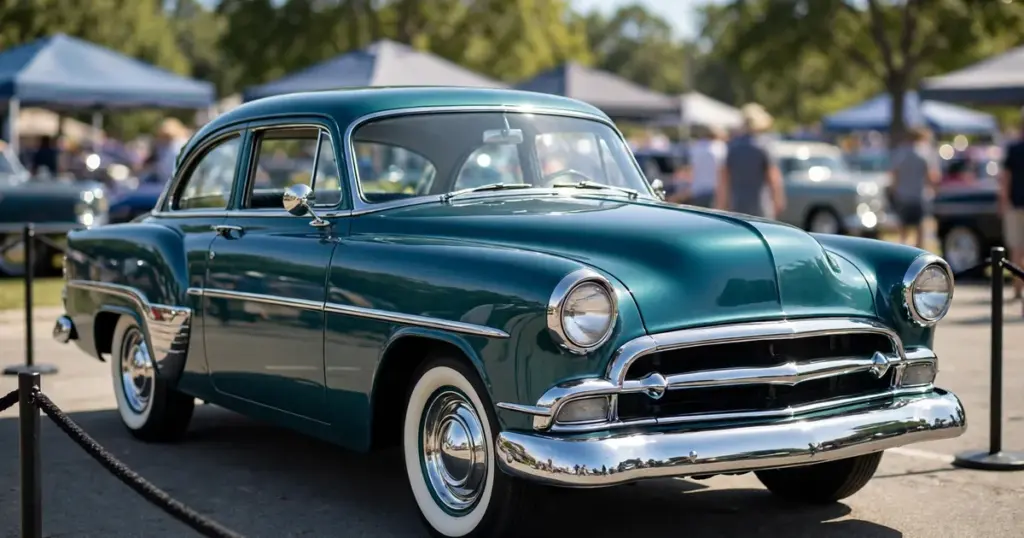
A standard policy values your car at actual cash value — what it was worth the moment before a loss, after depreciation. That works fine for a daily driver, but it is a terrible fit for a 1967 convertible whose value has been climbing for years. A regular policy could pay you a fraction of what the car is actually worth to collectors after a total loss.
Specialty classic car insurance solves this with agreed-value coverage: you and the insurer settle on the car’s value when the policy starts, and that is the number used if the car is totaled. These policies often come with usage rules — limited annual mileage, garaged storage, no daily commuting — in exchange for lower premiums. If your classic is more than a weekend toy, read the full guide to see whether a specialty policy or a standard one fits how you actually use the car.
Insuring a Hybrid or Electric Car
Hybrids and EVs do not need a different kind of policy — a standard auto policy covers them the same way it covers a gas car. The difference is in the details: battery packs and specialized components make repairs more expensive, which can push premiums higher, and some insurers handle EV claims better than others because their repair networks are set up for them.
There are also coverage details worth checking: whether your policy covers a damaged charging cable or home charging equipment, how towing is handled (many EVs cannot be towed on two wheels), and whether aftermarket battery modifications affect your coverage. Our guide to hybrid vs. electric car insurance breaks down how rates are set for electrified vehicles and which policy features matter most.
Listing Your Car on a Car-Sharing Service
Renting out your personal car on a peer-to-peer platform like Turo sits in one of the biggest gray areas in auto insurance. Your personal policy almost certainly excludes coverage while your car is being rented for money, and the platform’s protection plan is not the same thing as insurance — it has its own terms, deductibles, and exclusions.
If you are thinking about hosting, the key questions are what the platform covers during each phase of a rental, what your personal policy excludes while the car is listed, and whether a commercial or specialty host policy makes sense for you. Skipping this homework is how hosts discover gaps after damage has already happened. Read car insurance for Turo and car-sharing hosts before you list your first trip.
Driving for a Delivery Gig App
Delivering food or packages with your personal car creates the same kind of commercial-use problem as car sharing. Most personal policies exclude coverage while you are driving for hire, which means an accident during an active delivery could leave you personally on the hook — even though you were “just doing a side gig.”
The gap has a well-known shape: your personal policy covers you when the app is off, the delivery platform typically covers you while you are on an active delivery, and the period in between — app on, waiting for an order — is the gray zone where many drivers are effectively uninsured. Rideshare and delivery endorsements exist to close that middle gap. See car insurance for delivery gig drivers for a phase-by-phase breakdown of who covers what.
Insuring a Car You Just Bought
Most insurers give you a short grace period — often around a couple of weeks — during which a newly purchased car is automatically covered under your existing policy’s terms. That breathing room is real, but it is not unlimited, and the car is covered only up to the limits and deductibles you already carry. If you had liability-only coverage on your old car and financed the new one, your lender will expect full coverage from day one, not from whenever you get around to calling.
The safest move is to contact your insurer before you drive off the lot, or at the latest within a day or two, to add the vehicle formally and confirm the coverage meets any lender requirements. Our step-by-step guide explains how to insure a car you just bought, including what information to have ready and how the new car insurance grace period actually works.
Moving to a New State
Car insurance is regulated state by state, which means your policy does not simply travel with you. Coverage requirements, minimum liability limits, and even fault rules differ across state lines, and most insurers require you to update your garaging address — and often rewrite the policy in the new state — within a set window after you move, commonly around 30 to 90 days.
Moving is also one of the best natural moments to shop your coverage: rates vary widely by location, and the cheapest insurer in your old state may not be competitive in your new one. Our moving to a new state car insurance checklist walks through the timing, the paperwork, and the coverage adjustments to make so you stay continuously insured through the move.
Lending Your Car to Someone Else
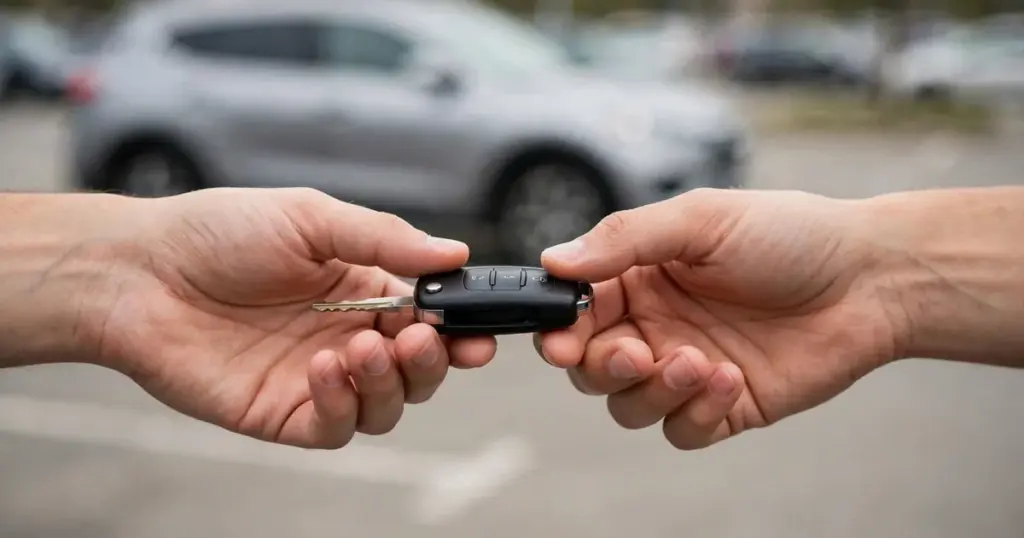
In most states, auto insurance follows the car first and the driver second. That means when you lend your car to a friend, your policy is usually the primary coverage if they crash it — your rates, your deductible, your claim history taking the hit. Many car owners do not realize this until the claim is already filed.
There are exceptions that complicate the picture: some policies restrict or exclude drivers who are not listed, regular use by an unlisted driver can be grounds for a denied claim, and your friend’s own policy may act as secondary coverage if your limits are exhausted. Before you hand over the keys, know where you stand. Our guide to lending your car to someone and how coverage works explains permissive use, the exceptions, and when to say no.
Excluding a Driver From Your Policy
Adding a high-risk driver — a teen with a fresh license, or a household member with violations — to your policy can raise your premium sharply. One option insurers offer is a named driver exclusion: you formally agree that a specific person is not covered when driving your car, and in exchange the insurer does not rate for them.
An exclusion is a serious commitment, not a casual discount trick. If the excluded driver gets behind the wheel and crashes, there is typically no coverage at all — not even the state-minimum liability — and some states restrict or prohibit exclusions entirely. It can be the right move for the right household, but only with eyes open. Read excluding a driver from your car insurance policy to understand the requirements, the risks, and the alternatives.
All Nine Situations at a Glance
Use this table to spot your situation quickly and see where the standard-policy gap usually sits.
| Situation | Where the standard policy falls short | What to look into |
|---|---|---|
| Driving a rental car | Loss-of-use and diminished-value charges may not be covered | Whether your collision coverage transfers to rentals |
| Owning a classic car | Actual cash value undervalues appreciating vehicles | Agreed-value specialty policy |
| Driving a hybrid or EV | Costly battery repairs and towing requirements | Repair-network strength and charging-equipment coverage |
| Hosting on a car-sharing platform | Commercial-use exclusion while the car is rented out | Platform protection terms vs. a specialty host policy |
| Delivery gig driving | No coverage while driving for hire; gray zone between orders | Rideshare/delivery endorsement for the waiting period |
| Buying a new car | Grace-period limits mirror your old coverage; lender rules apply | Adding the vehicle promptly with lender-required coverage |
| Moving to a new state | Policy terms and minimums are state-specific | Rewriting the policy and shopping rates in the new state |
| Lending your car | Your policy pays first — your rates take the hit | Permissive-use terms and listed-driver requirements |
| Excluding a driver | Excluded driver has zero coverage behind the wheel | Whether your state allows exclusions and the alternatives |

Frequently Asked Questions
Does my car insurance cover me in every situation?
No. A standard policy is written for your listed vehicles, listed drivers, and personal use. Situations like renting a car, driving for a gig app, or lending your car to someone else can fall into exclusions or gray areas, which is why it is worth checking before — not after — something happens.
Do I need special insurance for a rental car?
Often your own policy’s liability and physical-damage coverage extends to rental cars for personal use, and some credit cards add protection. But rental-company fees like loss of use may not be covered, so review your policy and card benefits before declining everything at the counter.
Is a standard policy enough for a classic car?
Usually not, because standard policies pay actual cash value, which undervalues cars that appreciate. An agreed-value specialty policy locks in the car’s worth up front and is generally the better fit for collector vehicles.
What happens if I move and forget to update my car insurance?
You could be driving with a policy that does not meet your new state’s requirements, and your insurer may deny claims once the update window passes. Update your garaging address promptly after a move — most insurers expect it within 30 to 90 days.
Can I just exclude a high-risk driver instead of paying more?
In many states, yes, through a named driver exclusion — but the excluded person then has no coverage at all in your car, and some states limit or ban exclusions. Weigh the savings against the risk, and consider alternatives like usage-based programs first.
What to Do Next
Start with the situation that matches your life right now and read its full guide — each one above links to a detailed breakdown of coverage options, costs to watch for, and questions to ask your insurer. If you drive a leased or financed vehicle, also review the guide to insuring leased cars, since lenders add their own coverage requirements on top of everything here. And whenever your situation changes — a new car, a new state, a new driver in the house — call your insurer before you assume your old policy still fits.
This article is for general educational purposes only and is not insurance, legal, or financial advice. Coverage rules and rates vary by state and insurer.